Silver Could Double in 2025 as Dollar Dominance Fades
Daily News Nuggets | Today’s top stories for gold and silver investors
December 3rd, 2025
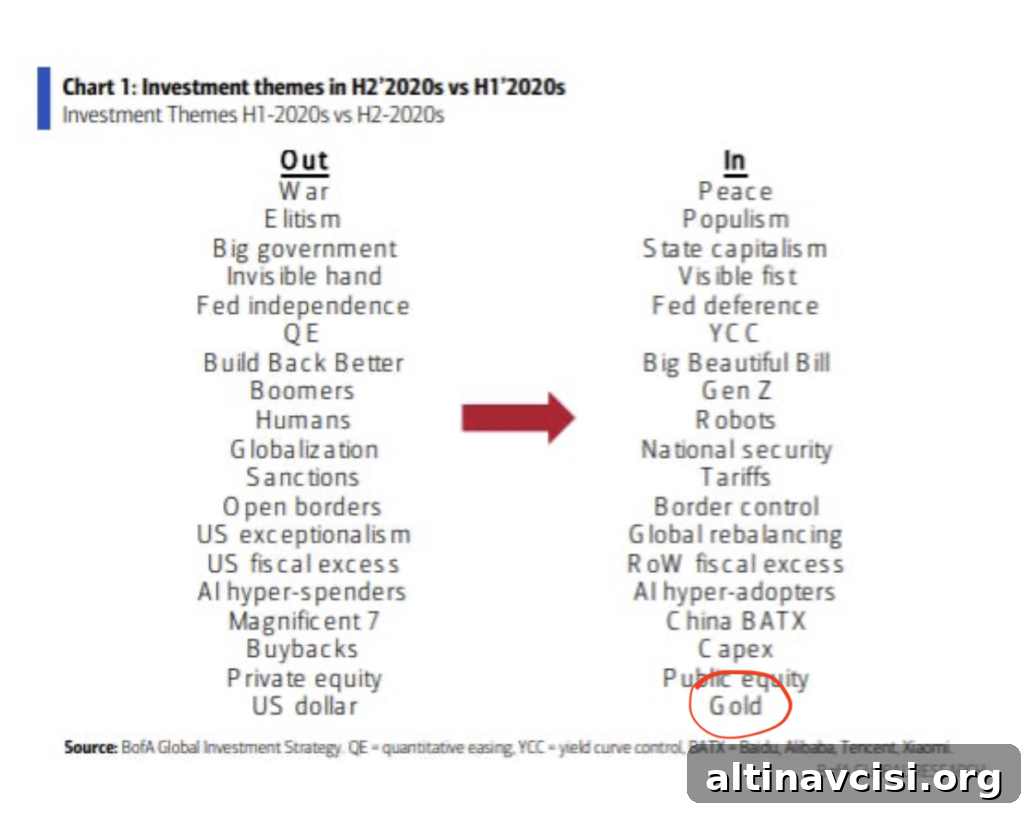
Bank of America: “US Dollar Out, Gold In”
Bank of America’s investment strategy team has published a clear framework for the major macro shift underway: what drove returns in the first half of the decade is different from what will drive them in the second. The central takeaway is a rotation from the US dollar into gold.
The U.S. dollar dominated the early 2020s for good reason. The Federal Reserve raised interest rates aggressively while many other central banks lagged, which made dollar-denominated assets attractive. That trade now appears exhausted. The United States is facing more than $35 trillion in federal debt, persistent annual deficits above $2 trillion, and little political appetite for fiscal restraint. Those fiscal realities make the dollar more vulnerable in investors’ strategic thinking.
At the same time, central banks are buying gold at the fastest rate in decades. The freezing of Russian dollar reserves in 2022 highlighted a geopolitical vulnerability: dollars held abroad can be subject to political decisions. Gold, by contrast, carries no counterparty risk, cannot be sanctioned in the same way, and cannot be created by central bank balance-sheet expansions. For many official institutions, gold offers a form of financial insurance that complements currency reserves.
Dollar Pause Ahead of Fed Decision
The U.S. dollar is taking a breather as markets look past the upcoming Fed decision and position for a weaker greenback in 2026. Futures markets are pricing a high probability of a Fed cut in the near term, and traders have put additional easing on the table for next year. Anticipation of a more dovish policy path—potentially guided by new Fed leadership and faster cuts—has currency strategists turning bearish on the dollar. Some large banks see further declines for the dollar index over the coming weeks, after a decline of about 9% already this year.
That shift is showing up in labor-market signals and other growth indicators. Weaker labor data would give the Fed cover to ease policy, which tends to reduce real yields and lift interest in non-yielding assets like gold and silver relative to cash and bonds.
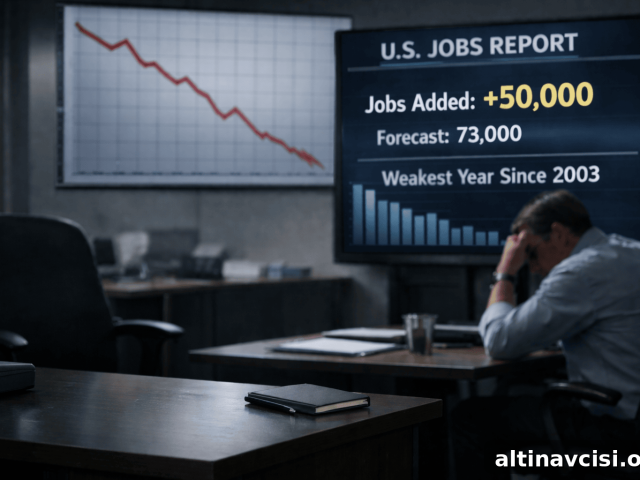
Private Sector Sheds Jobs for First Time in Two Years
US private employers cut 32,000 jobs in November, the largest monthly decline in roughly two and a half years, according to ADP data. Economists had expected a modest gain. The weakness was concentrated in small businesses: firms with fewer than 50 employees reduced payrolls substantially, while larger firms added jobs. This divergence suggests pressure at the lower end of the labor market, where smaller firms may be more sensitive to higher borrowing costs and softer demand.
Job losses were broad across sectors, including professional services, information, and manufacturing. Education, health, and hospitality showed modest gains. Wage growth cooled to around the mid-single-digit range year-over-year, reflecting a general easing in labor-market tightness.
Why this matters for precious metals: a weakening jobs backdrop increases the likelihood of Fed rate cuts and a lower neutral rate path. Lower real rates reduce the opportunity cost of holding gold and silver, improving the relative appeal of these assets to investors seeking protection against currency debasement and inflation risk.
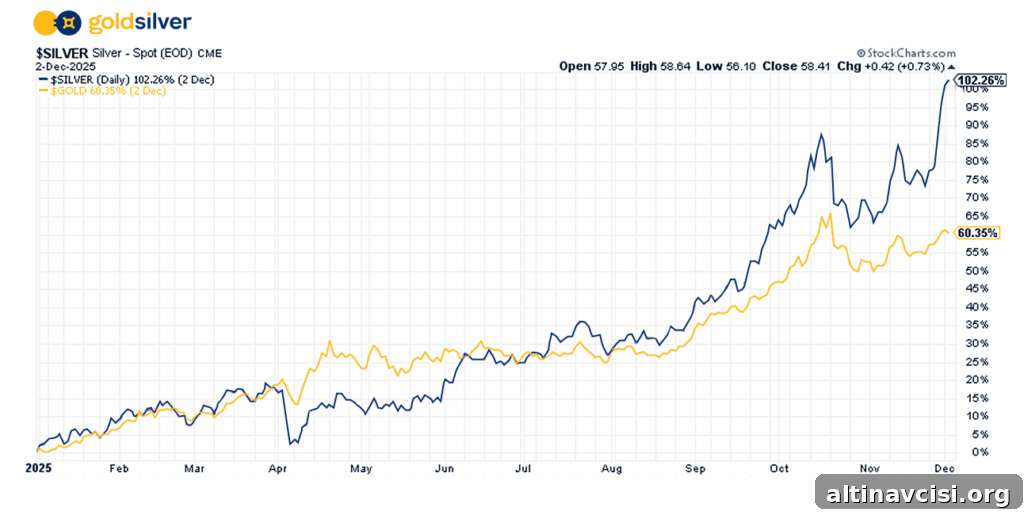
Silver Reaches 100% Gains YTD
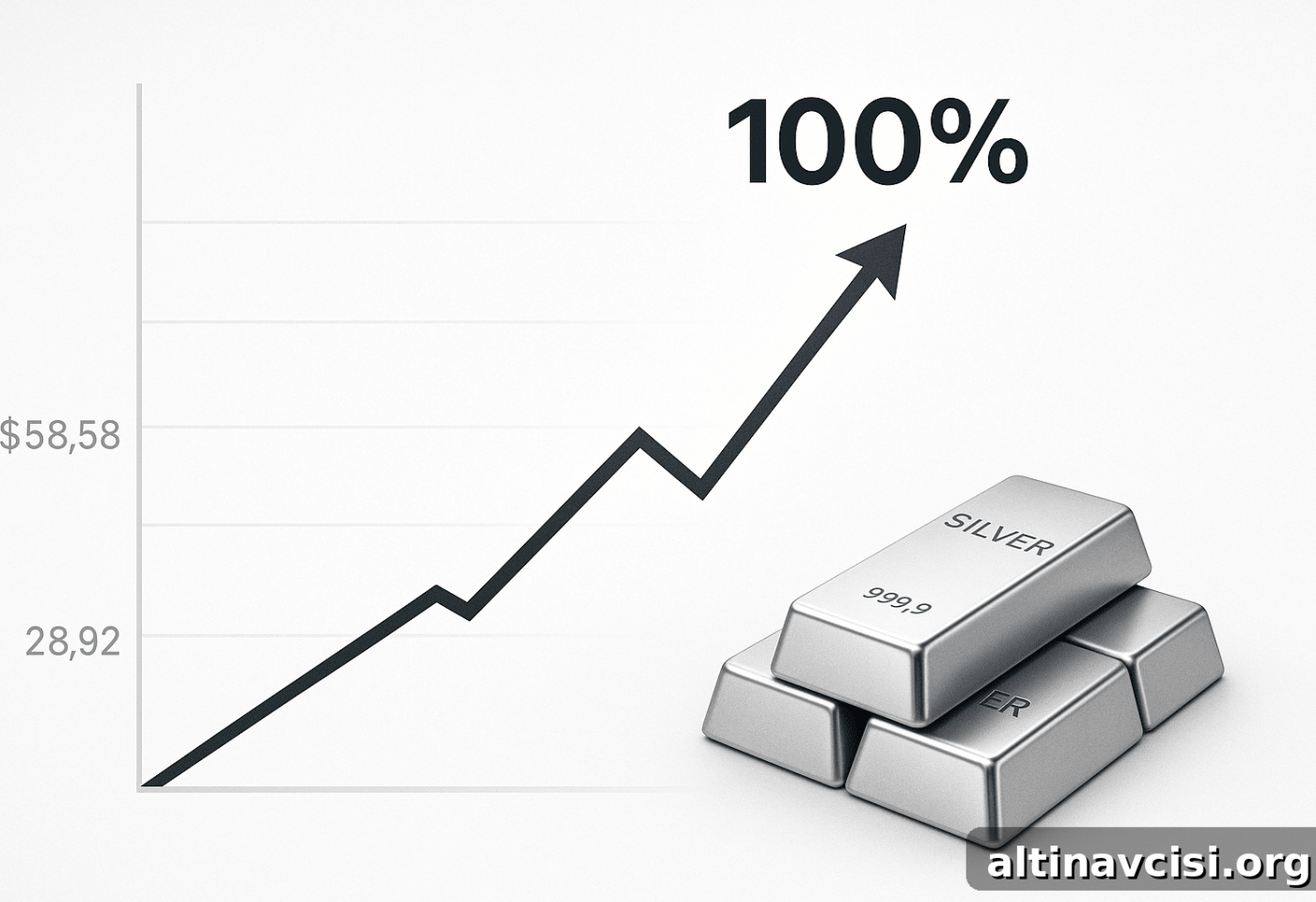
Silver has doubled in value this year. After opening 2025 near $28.92 per ounce, it is trading around $58.58 — roughly a 100% gain with weeks still remaining in the year. This rally reflects the same macro drivers lifting gold—currency concerns, inflation hedging, and geopolitical uncertainty—but silver carries an additional industrial dimension that can amplify moves.
More than half of silver demand comes from industrial applications: solar panels, electronics, medical devices, and electric vehicle components. That industrial demand creates a supply dynamic gold does not face. Inventories of physical silver and exchange-traded holdings are at or near historically low levels even as investor demand climbs. If investor purchases continue at current rates, manufacturers could find themselves competing with financial buyers for a shrinking pool of available metal. That competition can exacerbate price swings and elevate volatility.
The current price action is notable for its speed and breadth. Investors and analysts are watching whether the supply squeeze intensifies, and whether higher prices will trigger a rise in recycling or mine production over time. For now, the combination of monetary factors and industrial demand makes silver’s rally distinct from, and in some ways complementary to, gold’s steady advance.
What Investors Should Monitor
For those focused on precious metals, key indicators to watch include the Fed’s policy statements and any change in rate expectations, ongoing labor-market reports, central bank gold purchases, and physical inventory levels for silver and gold. Fiscal developments, geopolitical events, and supply-chain news for industrial metals also matter for price formation.
Allocations to gold and silver often reflect both a macro hedge and a tactical response to financial conditions. As markets transition from a dollar-dominated environment to one where monetary policy eases and central banks diversify reserves, precious metals are likely to remain an important part of the conversation for diversified portfolios. Monitor liquidity and position sizing carefully, because sharp moves in either direction can produce rapid repricing.
Stay On Top of Gold & Silver Prices
Get important market alerts and analysis delivered to your inbox.

The Financial System Isn’t Safer — And You Know It
As risks mount, see why gold and silver are projected to remain central to portfolio diversification in 2026 and beyond.
Summary: The combination of fiscal strain, potential Fed easing, and renewed central bank demand for non-dollar reserves creates a favorable backdrop for precious metals. Silver adds an industrial story that can intensify price moves. Investors should stay informed, monitor the data that moves policy and demand, and consider liquidity and risk management when positioning for this cycle.
Popular Topics
Picked from the archive
-
01
 Topics
Iran’s Nuclear Threat: Could It Cut the World’s Oil Supply?
-
02
Topics
Gold Gains as Job Growth Slows and Global Expansion Weakens
-
03
Topics
Gold Prices Drop as Fed Holds Rates Despite Strong US Data
-
04
Topics
Wall Street Whiplash: Stocks Rally on CPI, Plunge on PPI Shock
-
05
Topics
Gold Breaks $3,280 as Dollar Slumps to 3-Year Low Ahead of Jobs
-
06
Topics
Dollar Weakens Ahead of Key Central Bank Decisions
-
07
Topics
Retail Investors Rush into Risky Meme Forex Trades
-
08
Topics
Gold Prices Climb as Dollar Slips and Trade Tensions Persist