Silver Price Nears $50: Will It Break Its All-Time High?
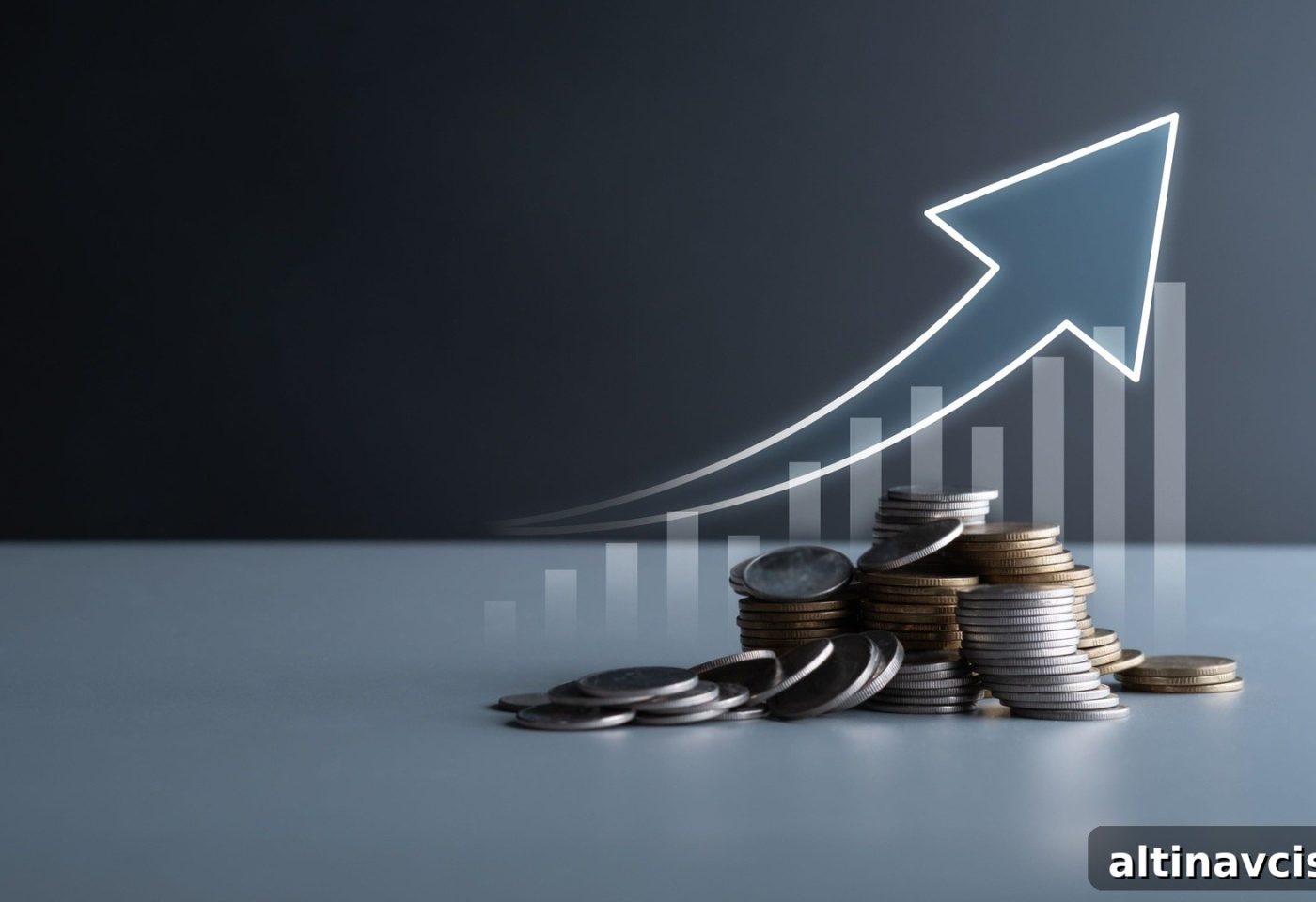

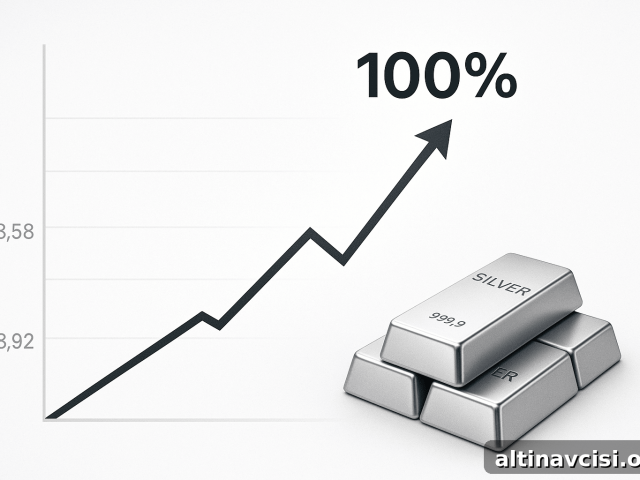
Silver has surged to $46.71 an ounce, marking a dramatic 61% year-to-date rise. This sharp rally, the strongest in decades, has pushed silver within reach of its all-time high of $49.45 set in January 1980. The speed and scale of this move have renewed interest from investors, industrial buyers, and market commentators alike.
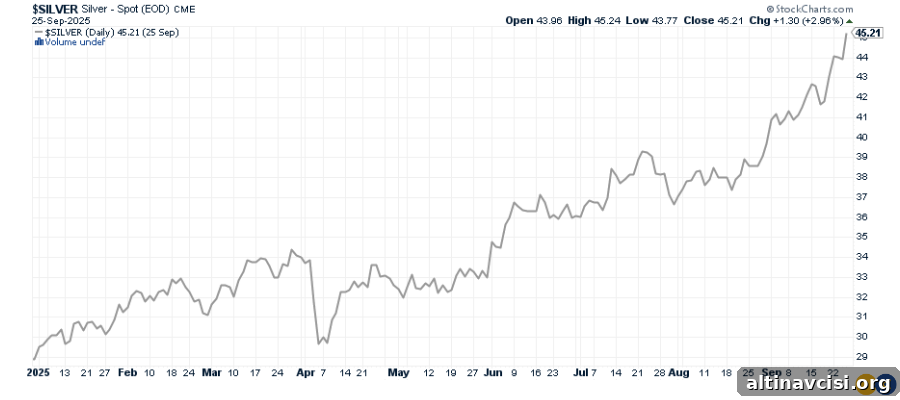
This rally does not occur in a vacuum. Historically, silver has produced explosive moves during periods of economic stress, high inflation, and broad financial uncertainty. To understand where prices might head next, it helps to compare today’s environment with the last time silver nearly hit $50 and to highlight the structural differences that could influence the metal’s trajectory.
Silver’s Last Peak: Lessons from 1980
In January 1980, silver vaulted toward the $50 mark under a unique mix of forces:
- Very high U.S. inflation, which exceeded 13% at the time.
- Supply shocks, including oil disruptions tied to the Iranian revolution.
- A weakening U.S. dollar that diverted capital into tangible assets.
- Heavy speculative buying, most famously associated with the Hunt brothers.
That episode ended abruptly, producing a steep reversal. Still, some parallels with today are notable: persistent inflationary pressure, rising geopolitical risk, and growing skepticism toward fiat currencies. At the same time, important differences exist that shape silver’s outlook now versus 1980.
Today’s Macro Backdrop: Why Silver Is Surging
1. Inflation hedge: Even after monetary tightening, inflation has shown stickiness in many economies. Precious metals, including silver, are often sought as protection against purchasing-power erosion.
2. Industrial demand: Unlike gold, silver plays a vital role in industry—most notably in solar panels, electric vehicles, electronics, and other clean-energy technologies. Growing industrial consumption gives silver a dual role as both a monetary and an industrial metal, supporting longer-term demand beyond speculative flows.
3. Currency and geopolitical risks: Trade tensions, central bank policy disagreements, and geopolitical flashpoints contribute to investor interest in tangible assets. When confidence in paper money wavers, precious metals typically benefit.
4. Gold’s influence: Gold’s strong performance in recent months has helped set a favorable backdrop for silver. Historically, silver often follows gold’s lead, but it tends to move more sharply both up and down.
Will Silver Break $50?
Breaking the historical high near $50 would be more than symbolic; it would signal that investors are actively reallocating into tangible stores of value to guard against inflation, debt concerns, and systemic financial risks. Silver’s past rallies demonstrate how quickly a breakout can accelerate once momentum builds.
For context: during the 1979–1980 surge, silver did not merely climb steadily — it went parabolic. In late 1979 the metal jumped from around $30 to $40 in roughly three weeks. Then, in January 1980, prices accelerated from $40 to the $49.45 peak in days, amounting to nearly a 24% gain in under two weeks. Such episodes compressed years of typical appreciation into a very short time frame.
A similar pattern reappeared in 2011 when silver moved from about $30 to nearly $48 over a three-month span. These historical examples show that silver bull markets are often shorter and more intense than gold’s, rewarding early positioning but also introducing greater volatility and risk.
The Next Move in Silver
The current rise to the mid-$40s reflects a mix of industrial demand, inflation concerns, and safe-haven flows. Whether silver immediately breaks above $50 or consolidates first, the metal presents an asymmetric risk–reward profile: it carries intrinsic value from its monetary characteristics while enjoying potential upside from expanding industrial use.
Investors weighing exposure to silver should consider its unique volatility, the balance of physical demand versus speculative interest, and broader macro drivers such as currency trends, interest rates, and geopolitical developments. For many, silver is an attractive complement to gold—offering both diversification and potential for outsized gains during commodity-led rallies.
Silver now sits just a few dollars shy of its historic peak. Whether this becomes a decisive breakout or a pause before another leg higher will depend on how macro conditions evolve and how quickly industrial and investor demand continues to grow.
People Also Ask
What is the current silver price and how close is it to the all-time high?
As of late September, silver traded around $46.71 per ounce, just below its historic high of $49.45 reached in January 1980. The rapid year-to-date advance has many market participants watching for a potential breakout above $50.
When did silver hit $50 before?
Silver approached the $50 level most notably in January 1980, driven by inflationary pressure and speculative activity. A similar high-range surge occurred in 2011, when silver briefly reached the high-$40s amid financial-market uncertainty.
How fast did silver rise during the 1980 silver spike?
During the 1979–1980 episode, silver jumped from about $30 to $40 in three weeks, then accelerated from $40 to roughly $49.45 in under two weeks. That rapid escalation highlights how powerful silver rallies can become once momentum builds.
What is the gold-to-silver ratio and why does it matter?
The gold-to-silver ratio indicates how many ounces of silver are required to match the price of one ounce of gold. A high ratio can imply silver is undervalued relative to gold and may signal upside potential for silver, especially when macro conditions favor precious metals.
How can I invest in silver safely?
Common ways to gain exposure include owning physical silver in bars or coins, using allocated vault storage options, or investing through financial instruments that track the metal. Each approach has trade-offs in terms of liquidity, storage cost, and counterparty risk, so investors should align their method with their objectives and risk tolerance.
Investing in Physical Metals Made Easy
Consider the options available for acquiring and securely storing physical metals, and match your choice to your investment goals.
Get Gold & Silver Insights Direct to Your Inbox
Join investors who receive timely market analysis, data-driven commentary, and concise updates on precious metals.
Popular Topics
Picked from the archive
-
01
 Topics
Silver Could Double in 2025 as Dollar Dominance Fades
-
02
Topics
Gold, Silver Gain in Trump-Fed Standoff Over Governor Dismissal
-
03
Topics
Investors Flock to China Gold ETFs as Inflows Hit Record
-
04
Topics
Trump Imposes 25% Tariff on India’s Oil Imports From Russia
-
05
Topics
Record Gold Floods Shanghai as Traders Exploit Futures Arbitrage
-
06
Topics
Gold Prices Hold as Fed Faces Tough Interest Rate Decision
-
07
Topics
Geopolitics, Copper Tariffs and OPEC Plus Drive Oil Prices
-
08
Topics
RBA Warns Inflation Risks Remain Despite Current Calm