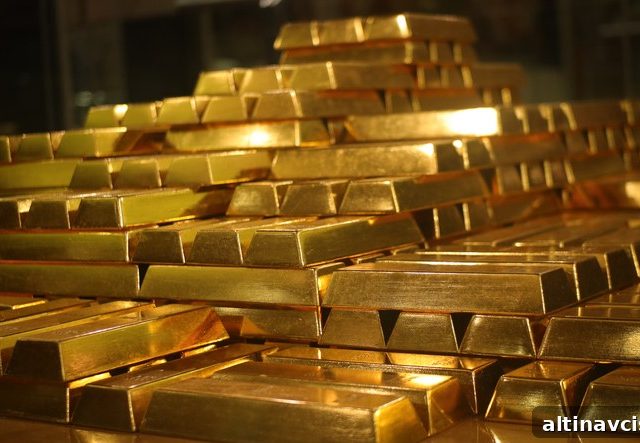
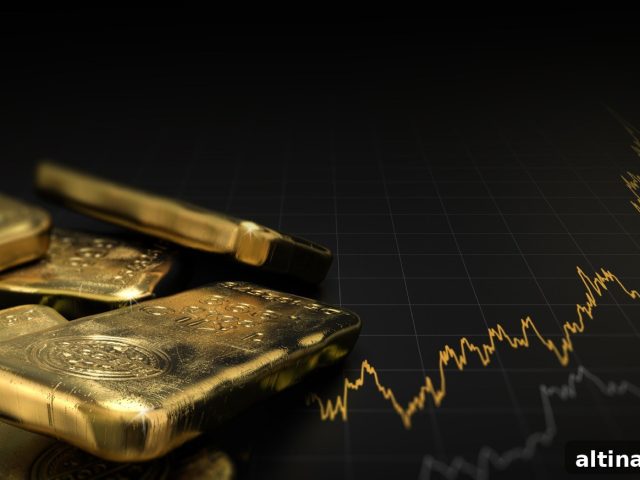
Gold Prices Hold as Fed Faces Tough Interest Rate Decision
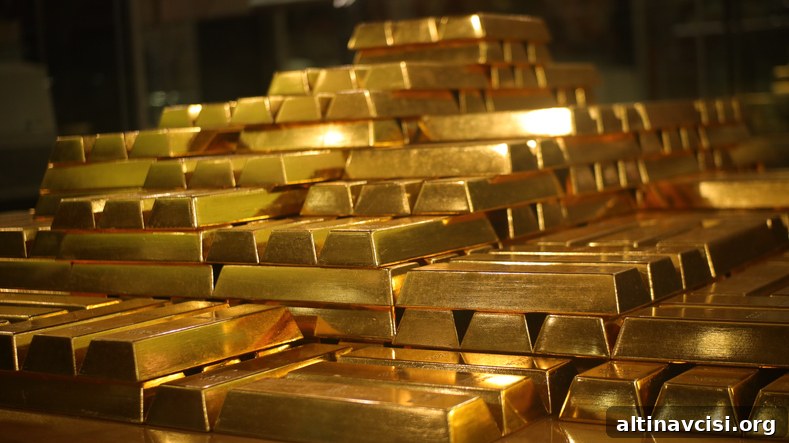
Gold Prices Near Recent Highs as Investors Eye Stagflation and Fed Policy
Gold prices have stayed close to recent highs despite a modest pullback, as growing worries about stagflation and heightened economic uncertainty push investors toward safe-haven assets. A softer jobs report together with weakening service-sector indicators have strengthened the market view that the Federal Reserve may move toward cutting interest rates, an expectation that typically supports bullion.
Why Stagflation Concerns Matter
Stagflation — the combination of stagnant growth and rising inflation — is particularly worrying because it presents a difficult policy environment. Traditional monetary tools that aim to cool inflation can further suppress growth, while measures to boost activity can risk higher price pressures. The possibility of stagflation elevates the attractiveness of gold as an inflation hedge and a store of value when real economic growth looks fragile.
Recent Economic Signals: Jobs and Services Data
Markets have reacted to a disappointing jobs report and softer service-sector readings, which together suggest underlying momentum in the economy may be weakening. Although employment and services are only part of a broader economic picture, these indicators are closely watched because they influence consumer spending, business confidence, and ultimately central bank policy. When data points point toward slower growth, expectations for interest-rate cuts can rise, which in turn tends to support non-yielding assets such as gold.
Federal Reserve Policy and Interest-Rate Expectations
Expectations about Federal Reserve policy are central to precious metals markets. When investors anticipate that the Fed will move to a more dovish stance — for example, by lowering interest rates — the opportunity cost of holding gold falls, and the metal often becomes more attractive. A shift in Fed guidance toward easing can therefore contribute to sustained demand for gold, especially if accompanied by persistent inflationary pressures or renewed economic weakness.
Real Yields and Safe-Haven Demand
Real yields — nominal interest rates adjusted for inflation — play a key role in the price dynamics of gold. When real yields decline, the relative return on cash and bonds weakens, improving the appeal of non-yielding assets like bullion. At the same time, periods of heightened economic or geopolitical uncertainty typically raise safe-haven demand. Together, falling real yields and a risk-off environment create a supportive backdrop for gold prices.
Outlook for Gold: Bullish While Uncertainty Persists
For now, the outlook for gold appears broadly bullish as long as the combination of slowing growth and persistent inflation remains a market concern and as long as expectations of looser monetary policy persist. That said, gold’s path can be sensitive to shifts in economic data, changes in central bank communications, and moves in real yields. Investors and observers will likely continue to monitor employment figures, services activity, inflation measures, and Fed commentary closely.
What Investors Should Consider
Investors looking at gold should weigh several factors: the trajectory of inflation, the pace of economic growth, central bank policy signals, and changes in real yields. Portfolio positioning that includes gold can serve as a hedge against inflation and a buffer in times of elevated uncertainty, but it is important to balance allocations with individual risk tolerance and investment horizons. Diversification across assets and continued attention to evolving macroeconomic indicators can help manage risks associated with different outcomes.
Conclusion
Gold’s near-high levels reflect a market grappling with the twin threats of slowing growth and rising prices. Disappointing jobs data and weaker service-sector readings have increased expectations of Federal Reserve rate relief, supporting the case for gold as both an inflation hedge and a safe-haven asset. While the outlook remains favorable for bullion under these conditions, investors should stay attentive to incoming economic data and central bank signals that could reshape the market narrative.
Popular Topics
Picked from the archive
-
01
 Topics
Fed’s Williams: Inflation Rising as Tariff Impact Begins
-
02
Topics
Gold, Silver Prices Hold Steady Ahead of Jackson Hole Summit
-
03
Topics
Gold Falls to One-Week Low as Trade Talks Enter Final Days
-
04
Topics
80 Tons a Month: Central Banks’ Gold Buying Signals Dollar Doubt
-
05
Topics
Gold Prices Hold at 3,349 Amid Trade Tensions and Jobs Data
-
06
Topics
Study Finds 1 in 4 Americans Are Functionally Unemployed
-
07
Topics
Japan-U.S. Trade Talks Stall Ahead of July 9 Tariff Deadline
-
08
Topics
OPEC Plus Surge Drops Oil Prices 1.2% Despite Russia Sanctions