Gold Prices Hold at 3,349 Amid Trade Tensions and Jobs Data
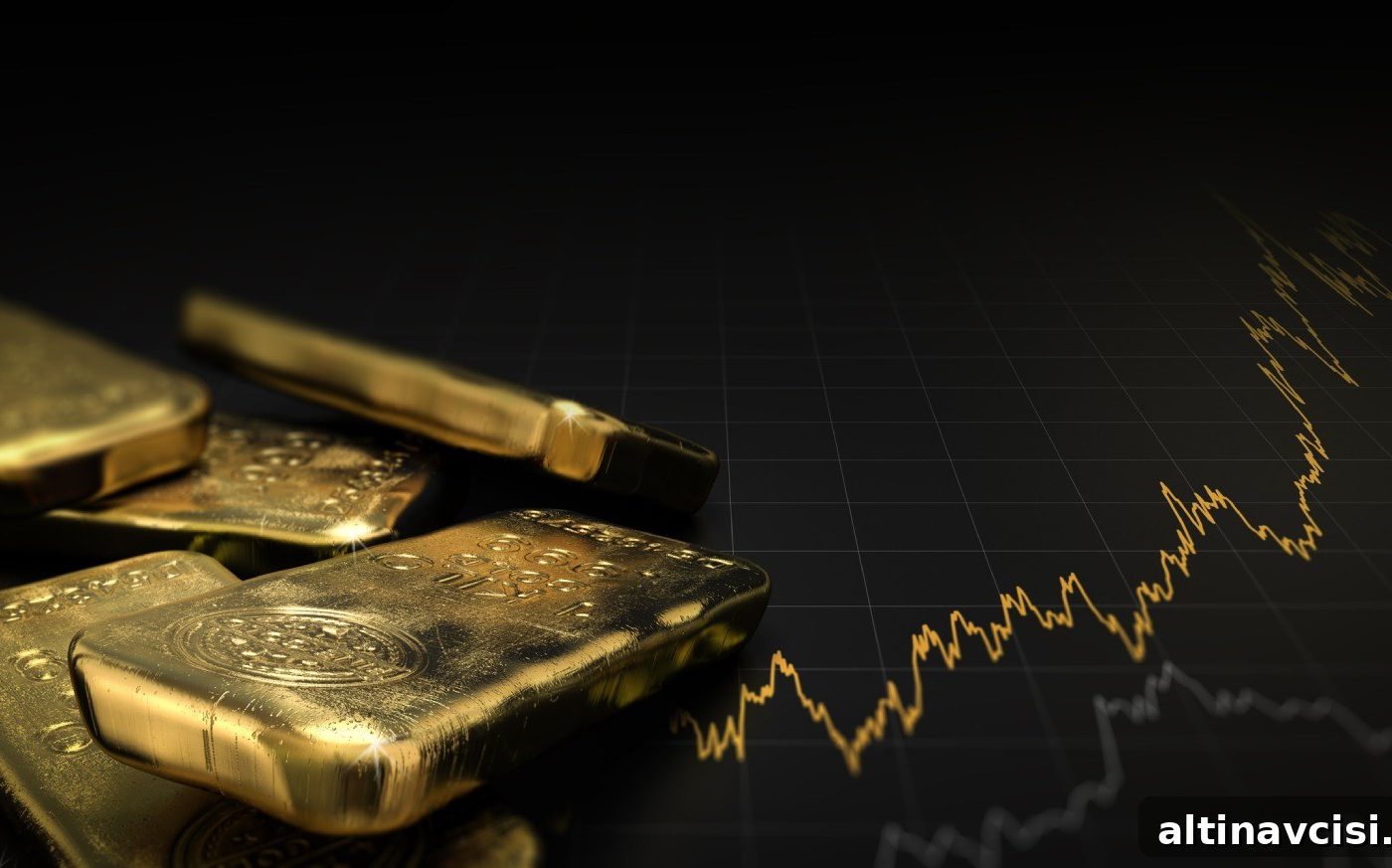
Gold Prices Steady Amid Conflicting Economic Signals
Gold prices held steady at $3,349.19 per ounce on Wednesday as market forces pulled in opposing directions. Stronger-than-expected U.S. job openings traditionally weigh on bullion by reinforcing expectations of a resilient labor market and potentially higher interest rates, which tend to increase the opportunity cost of holding non-yielding assets like gold. At the same time, elevated geopolitical and trade tensions between the United States and China have sustained demand for gold as a safe-haven asset, supporting prices and offsetting downward pressure.
The balance between these forces has kept the market range-bound in the near term. Analysts are currently forecasting a trading band of roughly $3,300 to $3,400 per ounce, reflecting uncertainty about which trend will dominate. Investors are watching incoming economic data closely, with the upcoming employment report on Friday identified as the next significant catalyst that could break the stalemate. A stronger employment print could reinforce expectations of tighter monetary policy and push gold lower, while a softer-than-expected report could revive safe-haven buying and lift prices.
Market participants often treat gold as a hedge against both inflation and geopolitical risk. When labor market indicators such as job openings show strength, markets tend to anticipate continued economic growth and steeper interest-rate paths, which can be bearish for gold. Conversely, when geopolitical tensions rise—particularly in high-stakes relationships like that between the U.S. and China—investors frequently shift capital into perceived safe assets, including physical bullion, exchange-traded funds that track gold, and related instruments. The current environment features both elements, producing a tug-of-war that has resulted in relative price stability.
Beyond headline economic figures, other factors also influence gold’s price dynamics. Currency movements, especially the U.S. dollar’s strength or weakness, can magnify or dampen price swings. A stronger dollar typically makes gold more expensive for holders of other currencies and can pressure demand, while a weaker dollar often supports higher gold prices. Liquidity conditions in global markets, shifts in central bank buying patterns, and changes in investor positioning across futures and options markets also play roles, though none of these factors were decisive enough this week to move prices substantially from the current level.
For investors and traders, the present situation underscores the importance of monitoring multiple streams of information. Economic indicators such as job openings and monthly payrolls can have immediate market impact, but geopolitical developments can create sustained demand for safe-haven assets. Portfolio managers often balance these considerations by using a mix of physical holdings, bullion-backed funds, and derivatives to manage exposure and hedge against downside risks. Individuals seeking to preserve capital or protect purchasing power may view gold as part of a diversified strategy, especially when macroeconomic signals send mixed messages.
Looking ahead, market attention will focus on the employment report later in the week, central bank commentary, and any developments in U.S.-China relations that might alter risk sentiment. Should the jobs data point to continued labor-market strength, gold would likely face renewed downward pressure. Alternatively, any signs of deterioration in economic momentum or an escalation in trade tensions could prompt renewed inflows and push prices higher within or above the current analyst-anticipated band.
In sum, gold’s current stability reflects a dynamic interplay between economic resilience and geopolitical risk. With analysts projecting a near-term trading range between $3,300 and $3,400 per ounce, traders and investors will be watching key economic releases and diplomatic developments closely to discern which direction the market will take next.
Popular Topics
Picked from the archive
-
01
 Topics
S&P 500’s 20-Year Winning Streak Eases Recession Fears
-
02
Topics
Gold Prices Rise on Trade Tensions and Currency Moves
-
03
Topics
US Gives Global Partners Five-Week Deadline for Trade Proposals
-
04
Topics
Record Gold Rally: Trading Data Shows Banks Flipping Positions
-
05
Topics
CBO Warns: Trump Tax Plan Could Add $2.4T to US Deficit
-
06
Topics
Gold Price Holds Near $3,180 as Markets Brace for U.S. Data
-
07
Topics
Gold Falls as Trade Tensions Ease Despite Monthly Gains
-
08
Topics
Gold Falls to 3,300 as Strong Dollar, Inflation Hits Markets