Gold Falls to One-Week Low as Trade Talks Enter Final Days
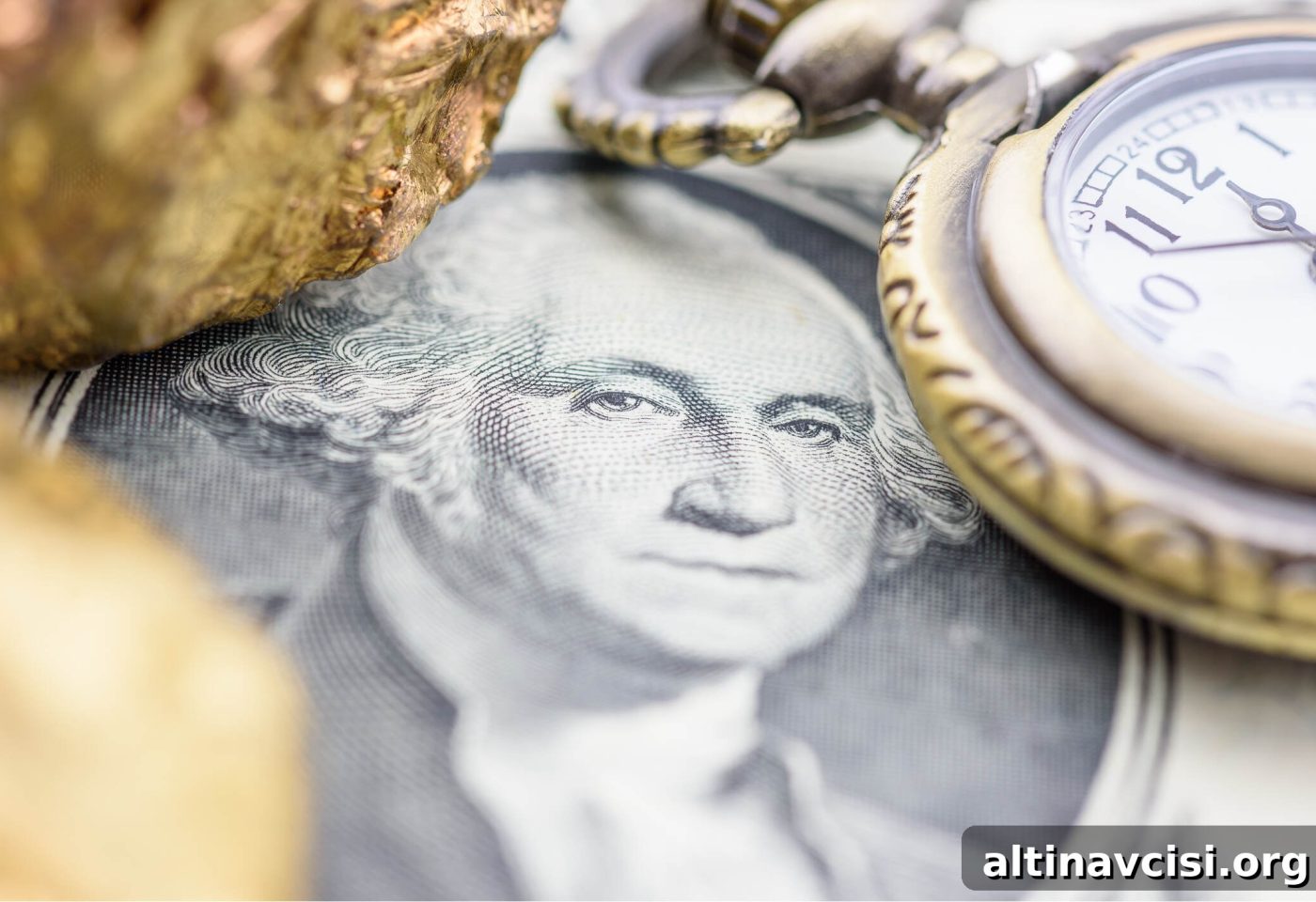
Gold Falls as Dollar Strength and Trade Uncertainty Pressure Prices
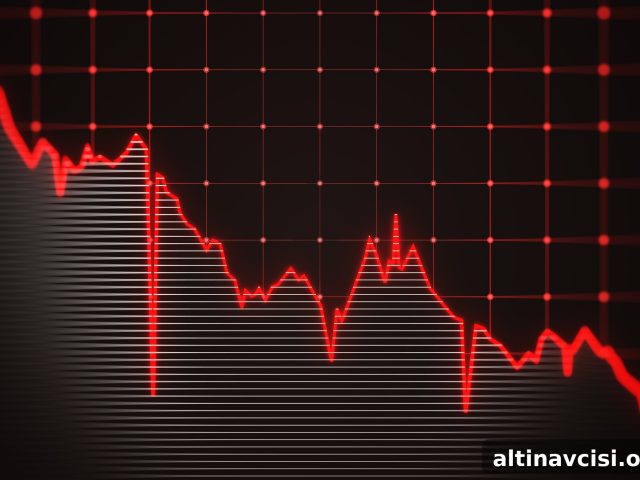
Gold prices dropped sharply on Monday, sliding 0.9% to $3,303.93 per ounce as a stronger U.S. dollar and unresolved trade tensions weighed on demand. The dollar’s 0.2% gain against other currencies pushed the metal higher in local-currency terms for many global buyers, reducing immediate international appetite. At the same time, fresh U.S. economic data that pointed to robust job growth has dampened hopes for near-term rate cuts from the Federal Reserve, removing a key tailwind for non-yielding assets like gold.
Market Reaction: Why the Dollar Matters for Gold
The inverse relationship between the U.S. dollar and gold is one of the primary dynamics driving the market. When the dollar strengthens, gold becomes more expensive for holders of other currencies, often leading to a pullback in demand and downward pressure on prices. Investors who buy gold as an inflation hedge or store of value typically reassess their positions when a firmer dollar and stronger economic indicators reduce the metal’s relative appeal.
On Monday, dollar strength was reinforced by stronger-than-expected U.S. labor market data. Because gold does not yield interest, higher expectations for interest rates or delayed rate cuts from the Federal Reserve can reduce investor interest in the metal in favor of interest-bearing assets. Market participants often interpret robust employment data as a sign the Fed may remain cautious about easing policy quickly, and that mindset appeared to weigh on gold during the session.
Trade Negotiations and Tariff Uncertainty
Trade policy and tariff negotiations added another layer of uncertainty. With a July 9 deadline for negotiations and base tariffs of 10% scheduled across most countries, traders are watching for clarity. Further complexity arises from planned reciprocal tariff rates of up to 50% set to take effect on August 1, and public statements about potential extra tariffs targeting certain blocs, which have kept markets on edge.
President Trump has said progress is being made on trade deals, but analysts caution that without clear, substantive agreements, trade activity could slow. A contraction in global trade typically increases risk aversion among investors, which over time can support safe-haven assets such as gold. That said, the immediate market reaction tends to be driven by liquidity, currency moves, and shifts in interest-rate expectations, which is why gold pulled back despite persistent trade worries.
Impact Across the Precious Metals Complex
The weakness in gold spilled over into other precious metals. Silver fell about 1.9%, platinum declined roughly 2.4%, and palladium was down approximately 1.7% during the same trading session. These metals often move in tandem with gold to some degree, though each has unique industrial and investment demand drivers. For example, silver has both industrial and monetary demand components, while platinum and palladium are more closely tied to automotive and industrial cycles. Still, a stronger dollar and concerns about economic momentum tend to hit the broader precious metals complex.
Outlook and Considerations for Investors
Looking ahead, several factors will influence gold and other precious metals. Short-term moves will likely be shaped by U.S. economic releases, central bank communication on monetary policy, and currency fluctuations. Developments in trade negotiations, including whether tariff threats translate into actual tariff increases or are resolved through deals, will also matter because they affect growth expectations and risk sentiment.
Investors and traders should consider the interplay between these elements: a firmer dollar and delayed expectations for Fed easing can pressure gold in the near term, while renewed trade hostilities or a slowdown in global growth could revive safe-haven demand and provide support for bullion. Market participants often hedge their exposure or adjust positions as incoming data and policy signals clarify the path of interest rates and international trade.
Conclusion
Monday’s decline in gold to $3,303.93 per ounce reflects the immediate impact of dollar strength and stronger U.S. economic data that lowered the likelihood of imminent rate cuts. At the same time, unresolved tariff negotiations and looming deadlines continue to inject uncertainty into markets. While traders responded to the short-term signals by trimming positions in gold and other precious metals, the longer-term outlook will depend on whether trade tensions escalate or are resolved, and on future central bank guidance and economic developments.
Popular Topics
Picked from the archive
-
01
 Topics
Gold Eyes Largest Weekly Gain in a Month Amid US Fiscal Fears
-
02
Topics
Central Banks Keep Buying Gold Despite Price Drop
-
03
Topics
Goldman Sachs Sees Gold Rally Reaching $4,500 on Tail Risk
-
04
Topics
US and China Reach Framework Agreement on Trade in London Talks
-
05
Topics
Trump’s Fed Attacks Raise European Alarm Over $245B US Gold
-
06
Topics
U.S. Service Sector Shrinks Amid Trade War Uncertainty
-
07
Topics
Kevin O’Leary Rejects Wall Street’s 2025 Recession Forecast
-
08
Topics
Citi Warns Gold Could Drop 20% by 2026