Geopolitics, Copper Tariffs and OPEC Plus Drive Oil Prices

Oil Prices Slip as Market Weighs Geopolitical Risks, Supply Shifts and Trade Policy
Oil prices edged lower on Wednesday as traders digested a mix of geopolitical developments, evolving supply forecasts and shifting trade policies. Both Brent and West Texas Intermediate (WTI) experienced modest declines, reflecting a market balancing immediate demand signals against rising risk premiums tied to security incidents and tariff moves that could ripple through industrial demand.
A recent deadly attack in the Red Sea has added a layer of geopolitical tension that markets cannot ignore. Incidents in key maritime corridors tend to push up insurance costs, disrupt shipping schedules and inject a premium into energy markets because of the potential for further interruptions to crude and fuel flows. While the attack did not immediately cause sharp price spikes, the event has kept traders on edge and contributed to volatility as market participants reassess the probability and potential severity of supply disruptions.
At the same time, forecasts for U.S. oil production have been revised downward, which supports prices by tightening the outlook for supply growth. Lower output projections can matter for global balances because the United States is a major producer; reduced expectations for additional barrels to the market leave less cushion against unexpected demand shocks or further supply disruptions elsewhere. Traders are closely watching official and private forecasts for signs of how quickly domestic output might respond to price and investment signals.
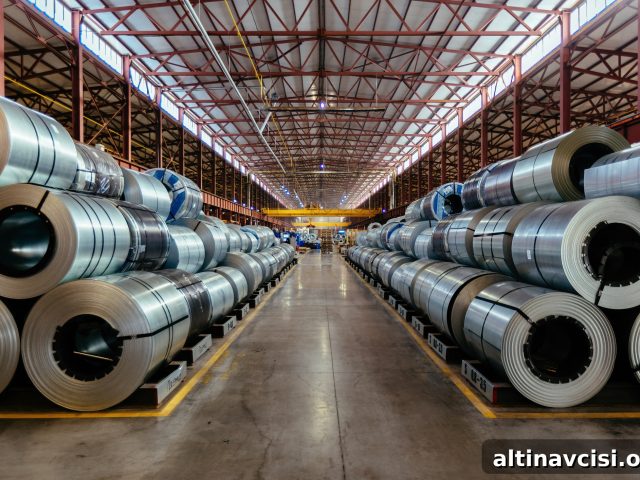
Trade policy has also entered the equation. Announcements of new copper tariffs by President Trump — a measure aimed at protecting domestic industries — have implications beyond the metals market. Tariffs can dampen industrial activity and slow demand growth for energy-intensive sectors. Markets are sensitive to such policy shifts because a slowdown in manufacturing or construction activity would eventually temper fuel consumption and crude demand. Even where tariffs affect other commodities directly, the knock-on effects can feed into broader sentiment about global growth and energy demand.
Meanwhile, OPEC+ continues to add more oil to the market under its production plans, a move intended to stabilize prices and meet demand. Yet despite these increases, inventories in many regions have not shown a marked rise, which suggests that consumption remains robust. The persistence of steady or falling stockpiles often signals healthy underlying demand, and in this case it has helped prevent deeper price declines despite the additional supply. That dynamic underscores a central point for energy markets: headline supply additions do not automatically translate into lower prices if demand is strong enough to absorb the extra barrels.
Seasonal factors are also at play. U.S. travel surged over the July 4 holiday weekend, providing short-term support to gasoline and distillate prices. Periods of heightened mobility typically lift fuel consumption temporarily and can tighten regional product markets, affecting refining margins and trader expectations about near-term demand. These seasonal surges can be especially influential when combined with other tightness indicators, such as stagnant inventories or constrained refinery throughput.
Taken together, these influences create a market environment in which small shifts in information can prompt outsized moves in sentiment. Traders are weighing immediate drivers — inventories, seasonal demand and supply announcements — against longer-term uncertainties like geopolitical tensions and evolving trade policies. That balance is reflected in relatively modest price moves today, but it also leaves the market susceptible to sharper moves if any of those factors intensify.
What market participants and consumers should watch in the coming days: updates to inventory reports, statements and production decisions from OPEC+ members, revisions to U.S. output forecasts, developments around maritime security in key shipping lanes, and any additional trade measures that could influence global industrial activity. Together, these indicators will help determine whether the current modest decline in Brent and WTI is the start of a broader downtrend or merely a pause amid an otherwise tight market.
In short, oil markets remain finely balanced. Supply adjustments, robust seasonal demand and heightened geopolitical and trade-related risks are combining to keep prices sensitive to new information. Traders and analysts alike will be watching both physical market data and geopolitical headlines closely to gauge the next direction for energy prices.
Popular Topics
Picked from the archive
-
01
 Topics
Gold Prices Slip After Trump Confirms Powell Will Stay
-
02
Topics
US Mediates Congo Mineral Deal to Secure Strategic Metals Supply
-
03
Topics
Incrementum Gold Compass: July 2025 Market Outlook
-
04
Topics
4 Trillion AI Milestone Sparks Valuation Concerns
-
05
Topics
Oil Price Tops $65 as US-China Trade Talks Lift Markets
-
06
Topics
Carney Threatens Counter Tariffs if Trade Deal Fails by July 21
-
07
Topics
Gold Holds Above $3,400 as Geopolitical Risk Fuels Rally
-
08
Topics
CBO: Trump Tax Cuts Add $2.8 Trillion to US Debt