CBO: Trump Tax Cuts Add $2.8 Trillion to US Debt
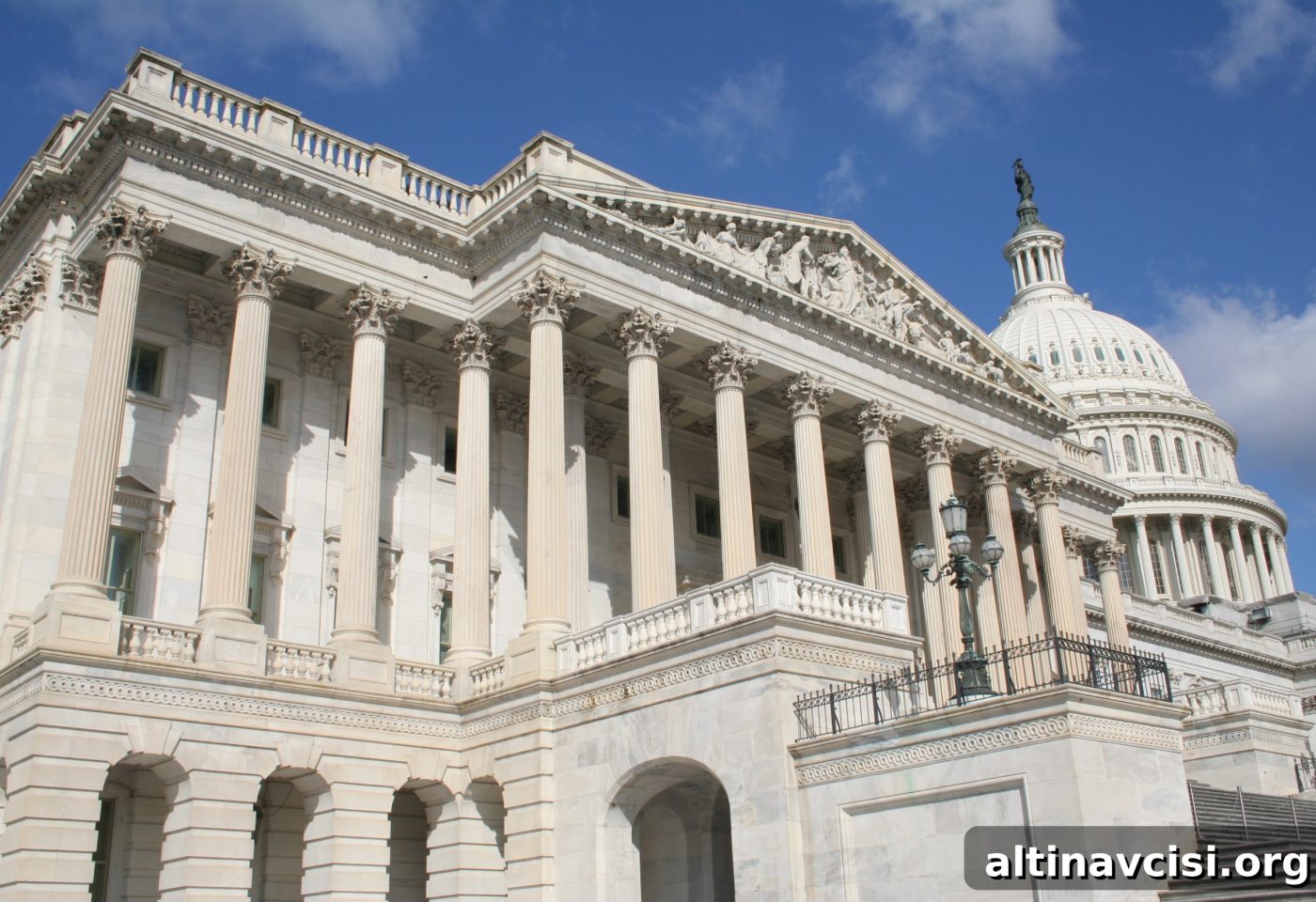
New CBO Analysis: Trump Tax Cuts Could Raise Federal Deficits by $2.8 Trillion
A fresh analysis from the Congressional Budget Office (CBO) finds that the tax cut package proposed by President Trump would add roughly $2.8 trillion to federal budget deficits over the next decade when economic feedback is included. This updated estimate rises above an earlier projection of $2.4 trillion and incorporates an additional $441 billion in interest costs tied to higher federal borrowing.
How the CBO Accounted for Economic Effects
The CBO’s revised calculation factors in both the direct revenue losses from lower tax rates and the broader economic effects that can accompany major tax changes. By including potential shifts in economic behavior and growth, the report offers an estimate that reflects how tax policy might influence the federal budget over time. Even with these economic adjustments, the agency concludes the proposal would significantly increase the national deficit.
Fiscal Impact and Rising Interest Payments
Alongside the $2.8 trillion rise in deficits, the analysis highlights $441 billion in additional interest payments. Those added interest costs stem from higher federal borrowing required to finance the revenue shortfall caused by the proposed tax reductions. Increased interest payments themselves can compound long-term fiscal pressures, putting additional strain on future budgets.
Policy Changes Ahead in the Senate
The bill passed by the House is expected to undergo revisions in the Senate. Republican senators are reportedly considering further offsets that could include deeper cuts to Medicaid spending and the introduction of work requirements for beneficiaries. These proposed adjustments are part of an effort to reduce the net fiscal cost of the tax package, but they would also change the shape of federal health policy and eligibility rules.
Political Debate: Who Wins and Who Loses?
Democrats and Republicans remain sharply divided over the plan’s economic and social consequences. Republican leaders have argued that the tax cuts would boost growth and, in part, pay for themselves through higher economic activity. However, Democrats counter that the CBO’s updated figures show those growth effects will not offset the bulk of the revenue losses. According to the CBO’s analysis, the package would leave millions more Americans without health coverage and redistribute benefits in ways that favor higher-income households.
Effects on Health Insurance and Income Inequality
The CBO estimates that the combined impact of the tax changes and related policy revisions would result in 10.9 million more people being uninsured over the next decade. That projection reflects the interplay between tax policy, budgetary offsets, and proposed changes to Medicaid. At the same time, the analysis shows a clear disparity in who benefits from the tax cuts: the poorest households would face a net average loss of roughly $1,600 per year, while wealthier households would, on average, receive a gain of about $12,000 annually.
Implications for Fiscal Policy and Public Services
These shifts raise broader questions about fiscal priorities and the distributional consequences of large-scale tax reform. Increased deficits and higher interest payments can limit the government’s ability to invest in public services, infrastructure, and social programs. Moreover, reductions in Medicaid funding or changes to eligibility rules could affect access to care for low-income and vulnerable populations.
Conclusion
The CBO’s new analysis provides a comprehensive look at the fiscal effects of President Trump’s tax cut proposal when economic feedback is included. By estimating a $2.8 trillion increase in deficits and highlighting significant interest costs, a rise in the uninsured population, and unequal benefits across income groups, the report frames the tax package as a major fiscal and political decision with far-reaching implications for federal budgets and social policy.
Popular Topics
Picked from the archive
-
01
 Topics
Gold Drops as Israel-Iran Tensions Escalate
-
02
Topics
Copper Market Races to Meet August 1 Tariff Deadline
-
03
Topics
Treasury Yields Slip Ahead of U.S.-China Summit in London
-
04
Topics
Fed’s Inflation Gain May Be Short-Lived as Tariffs Loom
-
05
Topics
Incrementum In Gold We Trust Report: Gold Market Outlook
-
06
Topics
RBA Warns Inflation Risks Remain Despite Current Calm
-
07
Topics
Gold Price Tops $3,350 on Tariff Fears, Ukraine Tensions
-
08
Topics
Copper Inventories Drop 80% Amid US Tariff Fears, Supply Crisis