Gold Price 3,767 USD: Fed Rift Deepens as China Eyes Share

Daily News Nuggets | Today’s top stories for gold and silver investors
September 24th, 2025
Gold Pauses After Record Highs
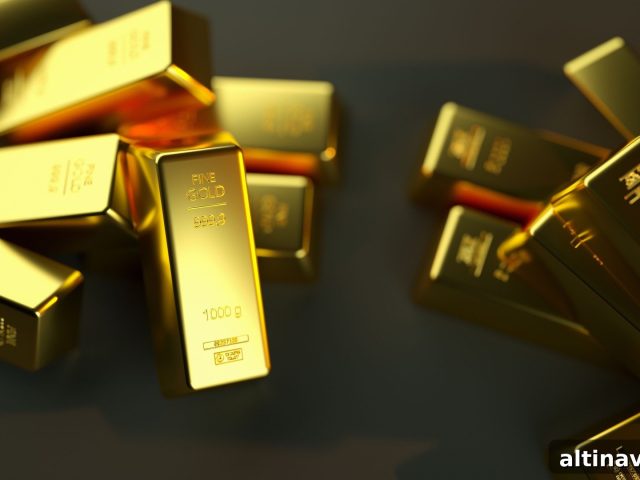
Gold eased to $3,762–$3,767/oz this morning, retreating slightly from Tuesday’s all-time high of $3,790, as reported by Reuters. The pullback comes as traders and investors position themselves ahead of a slate of economic data due this week and reassess how Federal Reserve language could influence policy decisions. Comments from Fed Chair Jerome Powell that emphasized a reluctance to loosen policy too quickly have made some market participants question whether a September rate cut remains likely.
This short-term consolidation should not be read as a reversal of the larger trend. Central bank purchases remain robust and geopolitical tensions continue to support safe-haven demand. In that context, the recent dip feels more like a temporary pause — investors taking profits and waiting for fresh signals — rather than a decisive end to gold’s extended rally.
Treasury Yields Edge Higher
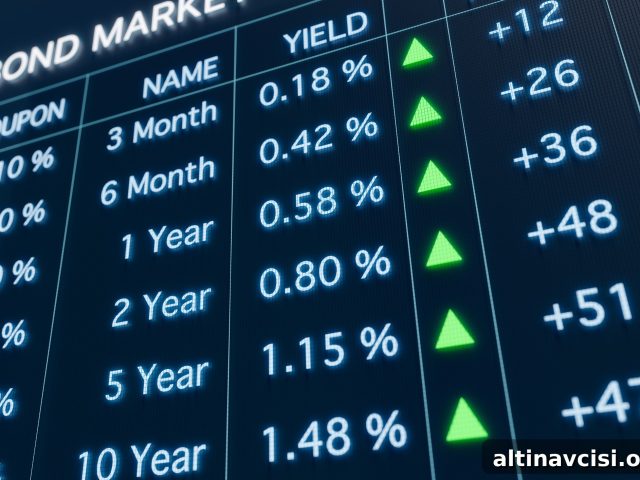
The 10-year Treasury yield inched up as bond traders positioned for upcoming economic releases, reflecting persistent concerns about inflation and uncertainty around the Fed’s next move. While markets had been pricing in a potential rate cut, recent rhetoric from policymakers has introduced fresh ambiguity.
Traditionally, rising yields can weigh on gold by increasing the opportunity cost of holding non-yielding assets. However, in an environment of growing government debt and renewed questions about fiscal sustainability, higher yields can also reinforce demand for physical metals as a hedge. For many investors, these competing forces create a complex backdrop in which bullion can still appeal as a defensive allocation.
Powell Draws His Line
Fed Chair Jerome Powell has made it clear that the central bank is reluctant to sacrifice its inflation-fighting credibility by cutting rates prematurely. He warned that loosening policy too soon could risk undoing hard-won progress against inflation. That message has shifted market expectations and added another layer of uncertainty for interest-rate-sensitive assets.
For precious metals investors, the implication is nuanced. If the Fed delays easing, that could increase stress in credit markets and raise the appeal of tangible stores of value. Conversely, the expectation of eventual rate cuts remains a tailwind for gold in the medium term, as lower real rates historically support higher bullion prices. The tension between these outcomes is central to current positioning in gold and silver.
Cracks in the Fed’s United Front
Despite the appearance of unity in public remarks, there are signs of division within the Federal Reserve. Some officials express concern that policy may already be restrictive enough to trigger a downturn, while others prefer to maintain pressure until inflation is clearly subdued. These internal differences can influence both the timing and communication of policy moves.
Market participants pay close attention to such debates because visible disagreement at central banks can increase volatility and uncertainty. Historically, episodes of central-bank disunity have often coincided with stronger flows into safe-haven assets like gold, as investors seek clarity and protection against policy missteps.
China’s Gold Power Play
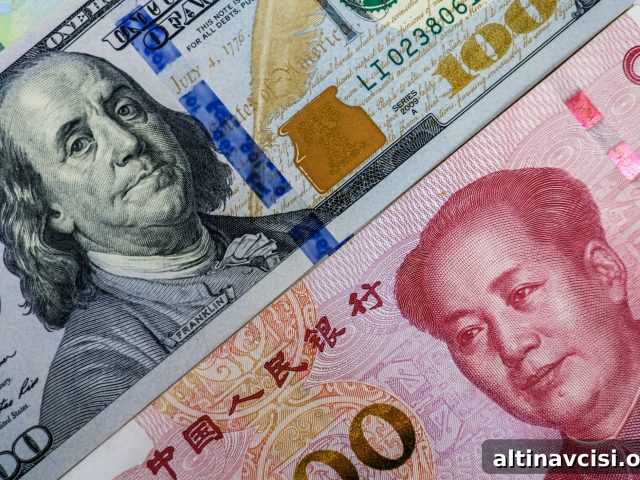
China is actively working to reshape the global gold market by expanding international access to domestic trading platforms and promoting yuan-denominated contracts. Beijing’s efforts aim to diversify the venues for price discovery away from traditional Western hubs and to strengthen the role of the yuan in international commodity trading.
If these initiatives gain traction, they could shift a greater share of global gold trading activity eastward and create parallel markets that operate alongside London and New York. For the gold market this would mean not only a geographic rebalancing of trading volumes but also a potential structural increase in demand as more participants in Asia access domestic and regional liquidity pools.
Investing in Physical Metals Made Easy
Explore straightforward options for adding physical gold and silver to your portfolio.
Summary: Gold’s brief pullback after record highs looks like a consolidation rather than a reversal. Persistent central bank buying, geopolitical risks, and policy uncertainty continue to underpin bullion. Rising Treasury yields complicate the picture but do not necessarily negate demand for precious metals, especially given ongoing concerns about inflation and fiscal pressures. Meanwhile, shifts in global market structure—led by China’s efforts to internationalize its gold trading and promote yuan-denominated contracts—could reshape where and how price discovery occurs. For investors in gold and silver, the current environment calls for disciplined positioning, attention to policy developments, and a long-term perspective on safe-haven demand.
Popular Topics
Picked from the archive
-
01
 Topics
Japan Election Promises and Tariff Fears Rattle Bond Market
-
02
Topics
Switzerland Seeks US Pledge to Keep Gold Tariff-Free
-
03
Topics
Trump’s Global Trade Timeline: From July to Labor Day
-
04
Topics
Market Update: Gold Steady, Shoppers Cautious, Nvidia Scrutinized
-
05
Topics
Gold Price Falls Below 50-Day Moving Average
-
06
Topics
Will U.S. Sanctions on India’s Russian Oil Backfire?
-
07
Topics
US-China Trade Talks in London Aim to Ease Export Controls
-
08
Topics
Why Gold Moves Differently from Stocks and What It Means