Gold Prices Stabilize Amid Saudi-Iran Tensions
🌆 Evening News Nuggets | Today’s top stories for gold and silver investors
March 24th, 2026 | Brandon Sauerwein, Editor
Gold is undergoing its sharpest five-day correction in more than a decade—even as the Iran conflict intensifies, oil trades above $103, and Saudi Arabia moves closer to direct involvement. Here’s what is driving the selloff and what investors should watch next.
Precious Metals Under Pressure: The Forces Behind the Selloff
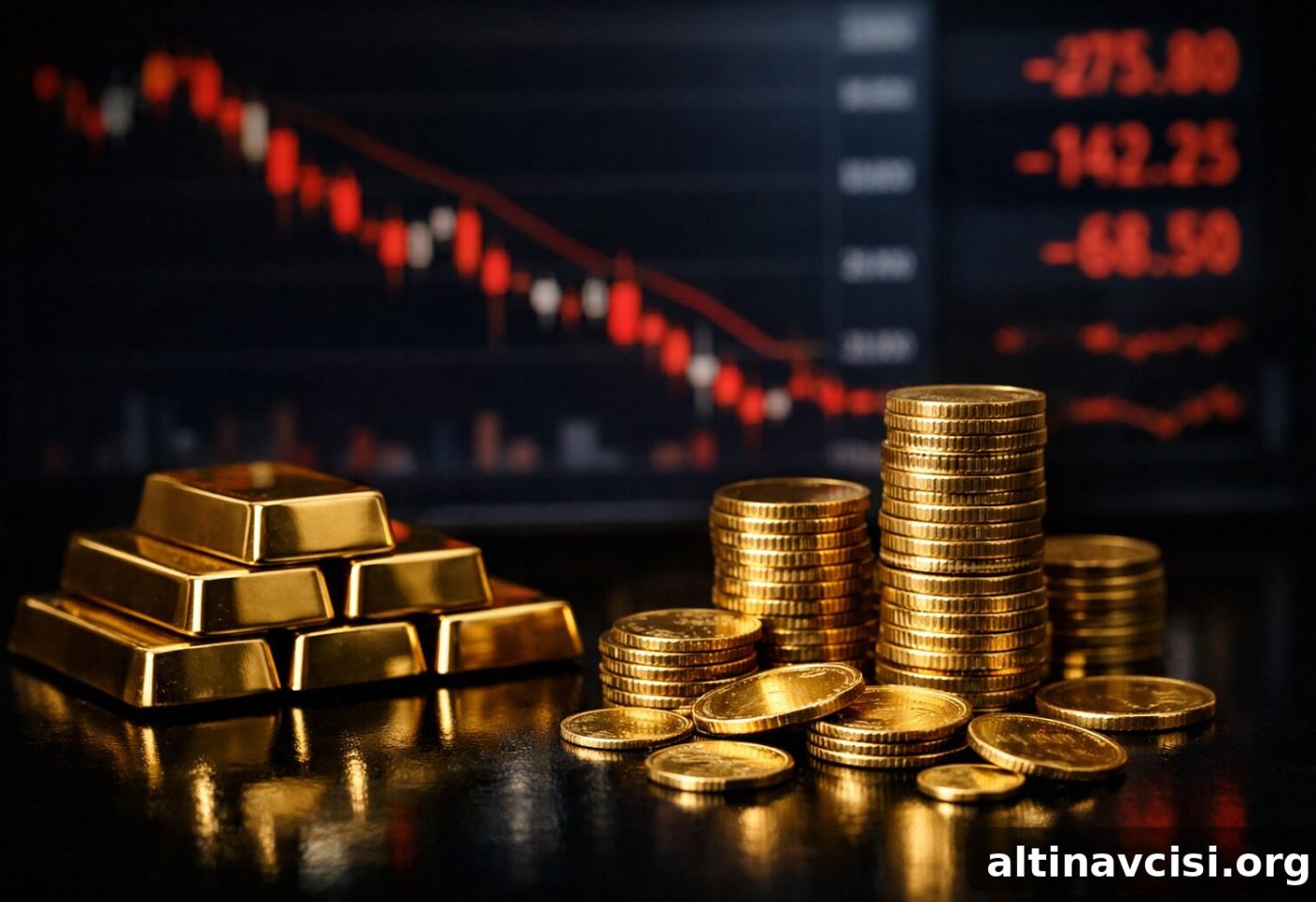
Gold has experienced a rapid and painful pullback from its recent peak. Prices are trading near $4,400 after an all-time high close to $5,589 in late January. Three broad forces are working against gold right now: a Federal Reserve that has adopted a more hawkish stance, an energy-driven inflation shock tied to the Iran conflict, and a stronger U.S. dollar that is drawing global capital away from non-yielding assets. Together, these factors explain why gold is weakening even while geopolitical risk is rising.
Silver has been hit even harder. The metal has extended a multi-day losing streak that has erased significant recent gains: it is down more than 1% year-to-date and lost roughly 14% over the past three weeks. Despite the recent selling, major banks remain publicly committed to higher long-term targets—J.P. Morgan and Deutsche Bank, for example, have left their year-end 2026 price objectives unchanged. Investors should note that target prices reflect analysts’ expectations over a longer time horizon and do not negate near-term volatility.
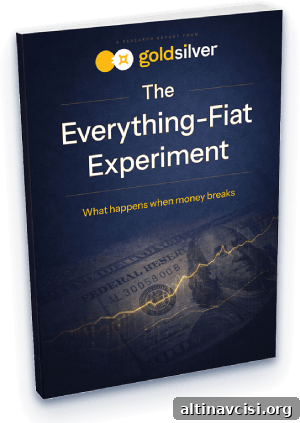
What Happened in 1971?
The guide that explains the moment our financial system changed.
Download the free guide to understand how the end of the gold standard reshaped markets. Enter your email to receive the guide and occasional market alerts.
Saudi Arabia & UAE Edge Toward War
The Iran conflict has broadened. Saudi Arabia has agreed to let the U.S. military use King Fahd Air Base, reversing an earlier public position that its bases would not be used for strikes on Iran. Sources familiar with the matter say it may be only a matter of time before Saudi Arabia takes a more active role. The United Arab Emirates has also increased pressure on Iran by closing or seizing several Iranian-owned properties in Dubai, including institutions such as the Iranian Hospital and the Iranian Club.
For energy markets, this escalation increases risk. Both Saudi Arabia and the UAE rely on oil exports transiting the Strait of Hormuz, the key chokepoint that Tehran has effectively threatened. A wider Gulf coalition would amplify supply risks and could push oil prices even higher. On Tuesday, crude rose above $103 per barrel after news of Saudi and UAE moves, reversing much of a short-lived relief rally from the previous day.
The Strait of Hormuz remains the central pressure point for global energy prices and, by extension, for inflation, central-bank policy decisions, and gold. Energy disruptions that feed inflation complicate the Federal Reserve’s path forward and can reduce the appeal of non-yielding assets like gold unless real rates fall.
Trump’s Iran “Deal” — and Some Very Suspicious Trades
A brief optimism spike followed a post from former President Trump suggesting productive conversations between U.S. intermediaries and a high-level Iranian contact, and claiming Tehran “very much” wanted a deal. Markets initially rallied sharply: major equity benchmarks moved higher and futures prices reacted strongly.
Those gains faded quickly as Iranian officials denied that any talks had taken place and dismissed the post as misleading. Complicating the picture, unusually large futures trades—equivalent to at least 6 million barrels of oil—occurred in the two minutes before the initial post. That volume was many times higher than the typical amount for that narrow timeframe, prompting questions about market timing and information flow. Regulators have not provided public comment on the trades.
A public five-day window cited in the social post is set to expire this weekend. With Saudi Arabia opening its air bases and Iran publicly denying negotiations, the diplomatic outlook is uncertain and market sentiment remains fragile.
IEA: This Energy Shock Is Worse Than the 1970s
The scale of lost oil supply is a primary reason investors are re-evaluating gold. The International Energy Agency has estimated that global oil disruptions now total roughly 11 million barrels per day—an amount larger, by volume, than the major 1973 and 1979 oil shocks combined. Those earlier crises produced recessions, soaring inflation, and prolonged economic pain. This disruption is notable not just for its size but for its speed: it has occurred over weeks rather than years.
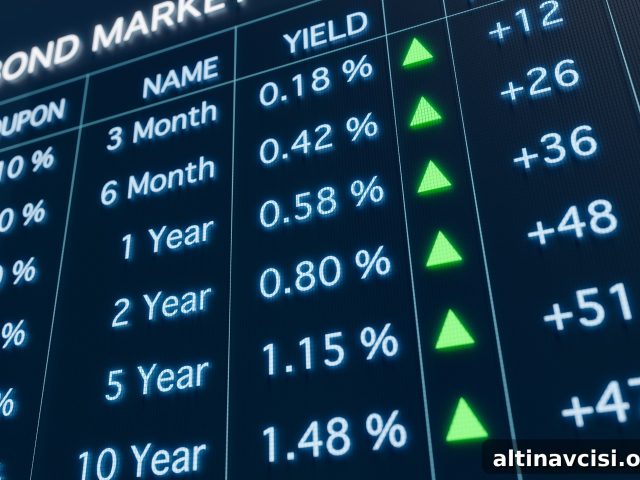
That dynamic creates a dilemma for the Fed and for precious metals. Higher energy costs push inflation higher and reduce the likelihood of near-term rate cuts. Gold, which does not yield interest, tends to struggle in environments where central-bank policy is restrictive. Vanguard’s global chief economist has characterized rising oil prices as a crosscurrent the Fed did not plan for and has said he would only become truly alarmed if oil rose above $150 a barrel and remained there—an outcome that now looks more conceivable given the potential for broader Gulf involvement.
Stay On Top of Gold & Silver Prices
Get important market alerts sent straight to your inbox.
Sign up to receive concise market summaries and alerts about gold and silver movements.
You May Also Like
- Is the US Government Insolvent? The Numbers Don’t Lie
- What’s Driving Gold’s Sharpest Pullback of the Year
- Gold Price Drop Today — War Rages as the Debt Hits $39 Trillion
- Gold Price Outlook: Fed Holds, PPI Climbs
- Gold Price Today Holds at $5,000 — What’s Driving It
- Gold Price Forecast 2026: Fed, Iran, and the $6,000 Question
Popular Topics
Picked from the archive
-
01
 Topics
Crude Oil Drops Below $68 After Peace Deal, OPEC+ Boost
-
02
Topics
Dollar Index Breaks 200-Day Average and Sparks Silver Rally
-
03
Topics
Gold Rises 0.3% as Dollar Weakens Amid Tax and Trade Uncertainty
-
04
Topics
Treasury Yields Jump After May Inflation Tops Estimates at 2.7%
-
05
Topics
Gold Prices Stall Ahead of Ukraine Peace Talks and Fed Signals
-
06
Topics
Newmont Beats Earnings Estimates After 40% Gold Rally
-
07
Topics
Powell: Fed Dollar Swap Lines to Stay Amid Political Uncertainty
-
08
Topics
Gold Purchasing Power: What an Ounce Could Buy Over Time