Silver vs Gold 2026-2031: 5-Year Investment Outlook

The smartest move for 2026–2031 isn’t choosing gold over silver — it’s owning both. Gold anchors a portfolio against inflation and uncertainty, while silver offers higher upside thanks to growing industrial demand from solar, electric vehicles, and 5G infrastructure. A blended allocation — heavier on gold for stability with a tactical silver position for growth — captures the strengths of both metals without taking unnecessary risk.
Both metals reached record highs in early 2026: gold peaked near $5,589 per ounce on January 28, and silver briefly traded above $100, reaching $121.64 on January 29. Since those peaks both metals have pulled back. As of early May 2026, gold trades around $4,500–$4,600 per ounce and silver near $73–$74 per ounce. That correction changes entry points but not the five-year case for holding both metals.
Gold or Silver: Which Should You Buy?
Short answer: both, for different reasons. Gold is the stability anchor that preserves wealth. Silver is the growth vehicle with higher volatility and greater upside potential. The ideal split depends on your risk tolerance, investment horizon, and the role you want precious metals to play in your portfolio.
Where Are Gold and Silver Prices Right Now?
Silver gained roughly 144% in 2025 and gold rose about 65% — the sharpest annual gains for both since 1979, according to LBMA data for December 2025. Those gains reflect structural shifts in investor behavior, central bank reserves, and industrial demand rather than speculative spikes. Geopolitical tensions, currency concerns, and central bank purchases all continue to support gold, while industrial demand for silver keeps building. The January highs are historical context; what matters now is planning allocations for the next five years.
What’s Driving Gold and Silver Prices Through 2031?
1. Does Gold Still Work as an Inflation Hedge?
Gold’s reputation as an inflation hedge is based on long-term historical behavior. When purchasing power declines, gold often holds or increases in value across different monetary cycles. In 2025 total gold demand exceeded 5,000 tonnes for the first time, generating a record $555 billion in value — up 45% year over year, per World Gold Council figures. That demand came from both institutional and retail buyers acting together, which supports gold’s defensive role.
Silver benefits from inflation as well, but because a large portion of its demand is industrial, its price response to inflation can be less consistent.
2. Why Is Silver’s Industrial Demand Important?
About 58% of global silver demand comes from industrial uses — solar panels, electric vehicles, electronics, and electrification infrastructure — and that share is growing. The Silver Institute projected automotive silver demand to grow at an annual rate of about 3.4% between 2025 and 2031, and battery-electric vehicles use substantially more silver per unit than internal-combustion cars. Industrial consumption creates a structural demand floor for silver that gold lacks, and supply constraints make that upside durable even if investor enthusiasm cools.
3. What Does the Gold-to-Silver Ratio Tell Us?
The gold-to-silver ratio was roughly 61–62:1 in early May 2026, which sits near the long-run historical average range of about 60:1 to 80:1. That level neither signals an obvious buying opportunity for silver nor a strong sell. The ratio spiked as high as 127:1 in March 2020 and compressed to as low as 32:1 during the 2011 silver peak. Investors can use the ratio as a timing tool: historically, a ratio above 80:1 suggests silver may be undervalued relative to gold, while a ratio below 60:1 can favor gold.
4. Are Central Banks Still Buying Gold?
Yes. Central banks were net buyers in 2025, purchasing a net 863 tonnes of gold — one of the largest annual totals on record and part of a 15-year streak of net buying. This reflects a strategic shift by many governments, especially emerging-market economies, to reduce dollar dependence and build reserves in a non-sovereign asset. That persistent buying provides a structural floor under gold prices.
How Do Gold and Silver Compare on Risk and Reward?
| Factor | Gold | Silver |
|---|---|---|
| Volatility | Lower | Higher — roughly 2–3× gold’s moves |
| Primary Driver | Monetary / safe-haven demand | Industrial demand plus monetary demand |
| Market Size | Large and highly liquid | Smaller and less liquid |
| Inflation Hedge | Strong | Moderate to strong |
| Industrial Use | Minimal | Significant |
| Current Price (May 2026) | ~$4,500–4,600/oz | ~$73–74/oz |
| Best For | Wealth preservation | Growth potential |
Silver typically moves two to three times as much as gold, both up and down. That leverage is attractive in a rally and painful in a correction — as the roughly 40% drop in silver from its January 2026 peak to May 2026 demonstrated. Gold declined as well, but with far less severity. Choosing between them requires balancing upside potential against the volatility you can tolerate without making impulsive decisions.
How Should You Allocate Between Gold and Silver?
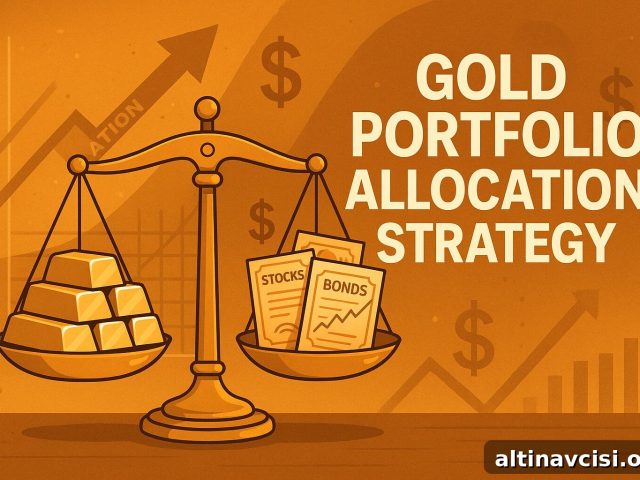
Advisors commonly recommend 5%–15% of a diversified portfolio in precious metals. The split between gold and silver should reflect your risk profile and investment goals rather than a personal preference for one metal.
| Investor Type | Gold Allocation | Silver Allocation | Priority |
|---|---|---|---|
| Conservative | 8–10% | 2–3% | Stability and capital preservation |
| Moderate | 5–8% | 3–5% | Balance reliability with upside |
| Aggressive | 3–5% | 7–10% | Maximize exposure to silver’s industrial growth |
If you’re new to precious metals, consider dollar-cost averaging — buying regular, smaller amounts over time instead of a single lump sum. That approach reduces timing risk and smooths entry points.
What Are the Real Risks?
Both metals have rallied strongly and both carry downside risk.
Key silver risks to 2031:
- High volatility — past corrections have been steep and quick
- Industrial demand could slow if global growth weakens or substitutes appear
- Smaller, less liquid market magnifies price swings
Key gold risks to 2031:
- Profit-taking after the record high could continue
- Rising real interest rates make non-yielding assets less attractive
- In a deep precious metals bull market, silver is likely to outperform
Precious metals should be one component of a diversified portfolio, not the entire strategy.
How Do You Use Both Metals Together Effectively?
Use gold as the defensive core to dampen portfolio volatility and protect capital during market stress. Use silver as a tactical growth layer that benefits from industrial expansion. Monitor the gold-to-silver ratio as a rebalancing guide: historically, a ratio above 80:1 has signaled a time to add silver, while a ratio below 60:1 has favored gold. At roughly 61–62:1 today, neither metal demands an aggressive rotation, but the ratio can help time adjustments over the next five years.
Start with a clear plan, set target allocations for different risk profiles, and rebalance when the ratio or market conditions meaningfully diverge from your targets.
Stay Updated on Gold & Silver
Sign up for timely market alerts and price updates.
People Also Ask
Is gold or silver a better investment for 2026–2031?
Neither is categorically better. Gold is more reliable for preservation; silver offers higher growth potential because of industrial demand. Most investors benefit from holding both, with the balance based on risk tolerance.
What is the gold-to-silver ratio and why does it matter?
The ratio measures how many ounces of silver equal one ounce of gold. Around 61–62:1 as of May 2026, it helps investors judge relative value and time rotations between the metals.
Why is silver more volatile than gold?
Because silver’s market is smaller and more tied to industrial demand, it reacts more strongly to economic changes. In practice this means larger gains in rallies and deeper losses in corrections.
How much of my portfolio should I allocate to precious metals?
A common guideline is 5%–15% of a diversified portfolio in precious metals. Conservative investors should favor gold; aggressive investors may increase silver exposure. Your ideal allocation depends on your goals and time horizon.
Is silver a good hedge against inflation?
Silver offers some inflation protection but is less consistent than gold because of its industrial links. In inflationary environments silver can benefit, but it is also sensitive to economic growth and supply dynamics.
You Don’t Have to Choose — You Just Have to Plan
Gold and silver are complementary tools. Over the next five years, gold’s primary role will be protection while silver’s role will be growth. Getting the balance right and adjusting as the gold-to-silver ratio shifts separates reactive investors from deliberate ones. Use clear allocations, monitor the ratio, and rebalance according to your plan.
SOURCES
1. LBMA — Precious Metals Market Report: Q4 and Full Year 2025
2. World Gold Council — Gold Demand Trends: Full Year 2025
3. Silver Institute / Oxford Economics — Silver: The Next Generation Metal, December 2025
4. Silver Institute
Disclaimer: This article is for informational and educational purposes only and does not constitute investment advice. Consult a qualified financial adviser before making investment decisions.
You may also like:
- $5,500 Gold by Q1 2027? The Central Bank Risk Driving It
- Why Gold Stabilizes — and Silver Amplifies
- COMEX Silver Coverage Ratio: Is Your Paper Silver Real?
- What the Gold Price Per Ounce Really Tells You
- The Gold Inflation Paradox Most Investors Miss
- Insurance vs. Upside: Balancing Your Portfolio with Gold and Silver
- Gold Bullion vs. Jewelry: Why Serious Investors Choose the Bar
- Gold & Silver IRA: Why Starting Early Costs You Less
Popular Topics
Picked from the archive
-
01
 Topics
Tariffs Boost Gold Prices Despite Weekly Drop Ahead of US Jobs
-
02
Topics
Could Trump’s Trade Wars End a Century of US Dollar Dominance?
-
03
Topics
Gold Tops $5,300 as Fed Meeting Sends Dollar Tumbling
-
04
Topics
Gold vs Silver: Which Metal Fits Your Portfolio?
-
05
Topics
Gold Prices Rise as Dollar Slips Ahead of Fed Rate Decision
-
06
Topics
How to Allocate Gold Between Stocks and Bonds
-
07
Topics
Gold Weekly: $9T Swing, Trump Fed Nominee, Record Premiums
-
08
Topics
Digital vs Physical Gold: What Do You Really Own?