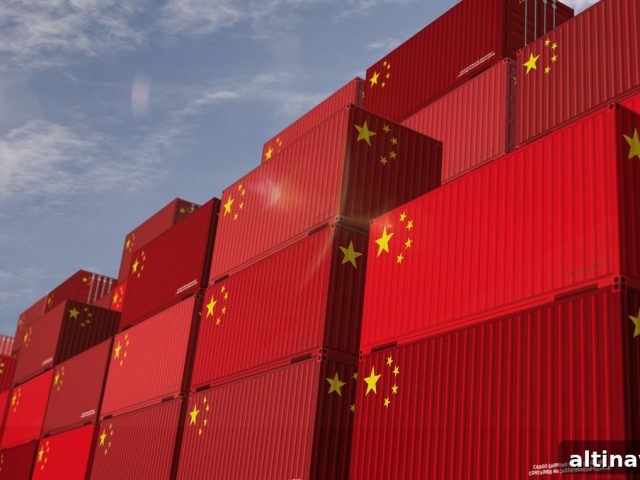
Could Trump’s Trade Wars End a Century of US Dollar Dominance?
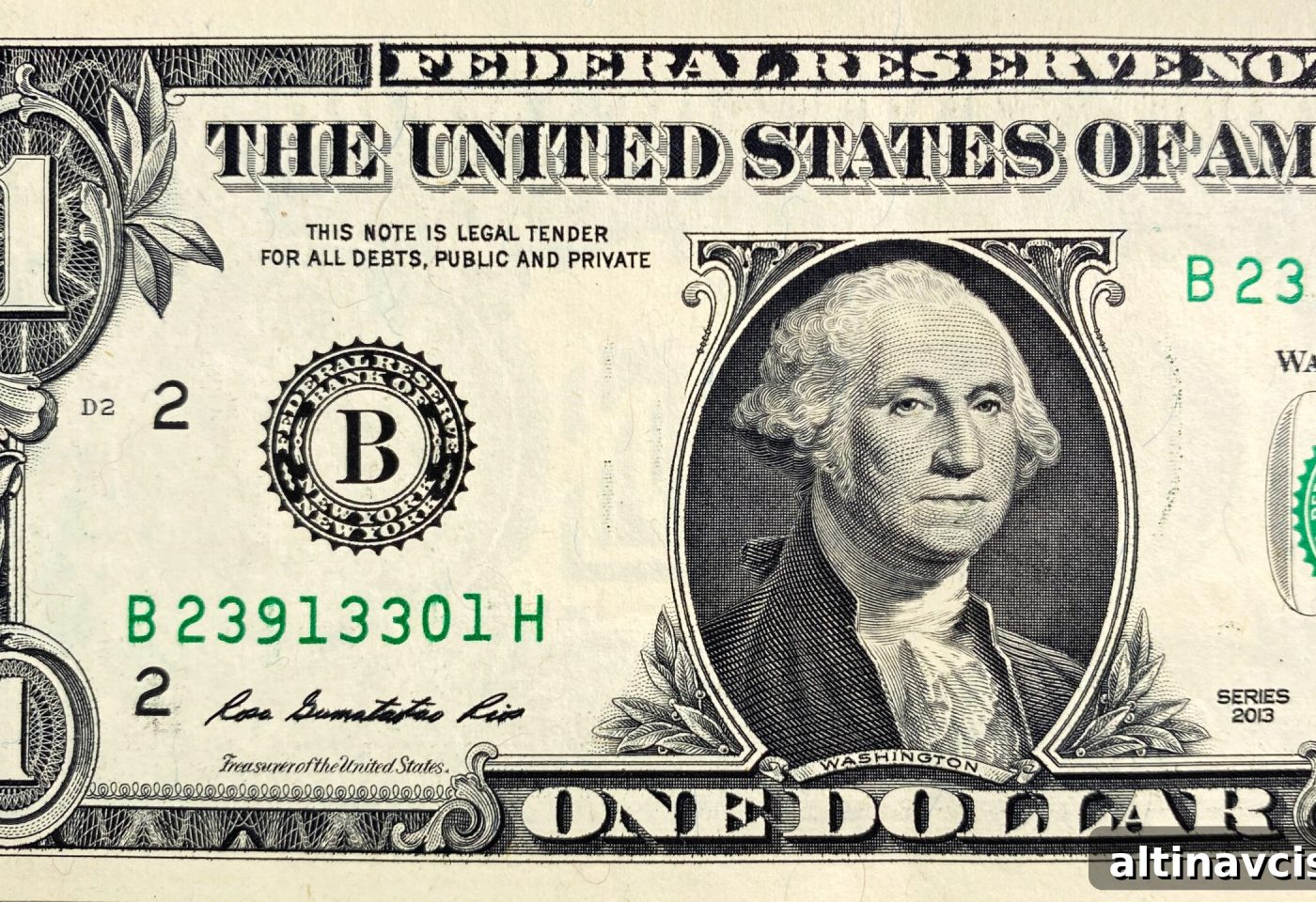
How Trade Policies and Tariffs Could Undermine the US Dollar’s Reserve Role
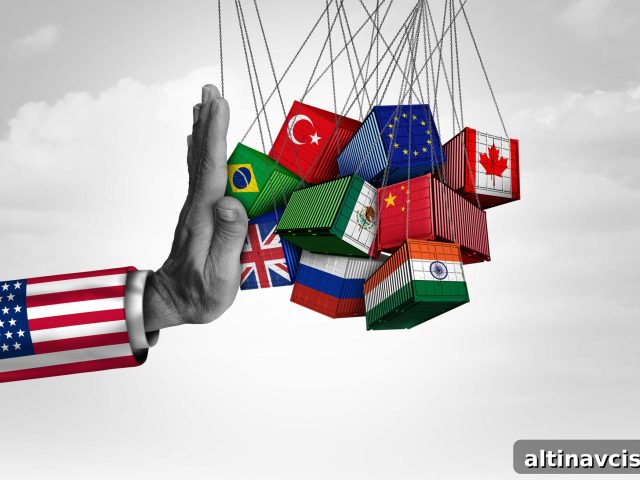
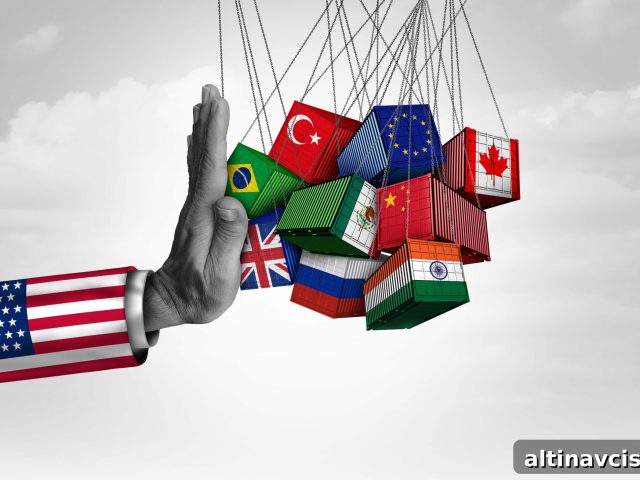
President Trump’s assertive trade policies and extensive use of tariffs have raised questions about the long-established position of the US dollar as the world’s primary reserve currency. While the dollar continues to play a dominant role in global finance, recent policy moves are prompting governments and investors to reassess their exposure to US assets and the dollar’s long-term appeal.
Current Dominance of the US Dollar
The US dollar still underpins a large share of international financial activity. It is widely used in foreign exchange markets and constitutes a substantial portion of official foreign exchange reserves held by governments worldwide. That entrenched status has given the United States important economic advantages, including broad access to foreign capital and the ability to run larger budget deficits at relatively low borrowing costs.
How Trade Policy and Tariffs Can Erode Confidence
A sustained program of tariffs and unilateral trade actions can influence how other countries and institutional investors view dollar-denominated assets. Several channels for that influence are worth highlighting:
- Policy uncertainty: Frequent or unpredictable changes to trade policy can increase the perceived risk of holding assets closely tied to US policy, prompting some holders to diversify into other currencies or assets.
- Retaliation and economic realignment: Trade disputes may accelerate efforts by trading partners to reduce reliance on the dollar in bilateral trade settlements, financial contracts, and reserve holdings as a hedge against future disputes or sanctions.
- Sanctions and conditional access: Use of financial sanctions and restrictions on access to US capital markets can make it more attractive for affected countries and counterparties to seek alternative financial arrangements that bypass dollar-based systems.
Potential Economic and Financial Consequences
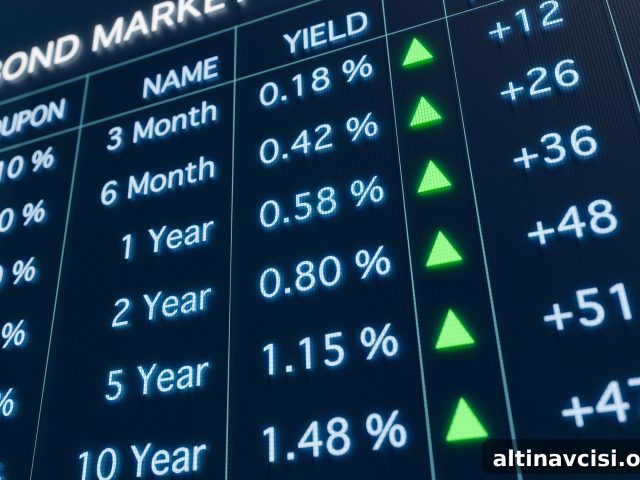
If governments and large institutional investors materially reduce their reliance on dollars or US assets, the implications for the US economy could be significant. A reduced global demand for dollar-denominated securities would likely raise borrowing costs for the US government, making it more expensive to finance budget deficits. Lower foreign demand for US Treasury securities could also lead to greater volatility in financial markets and potentially force adjustments in domestic monetary and fiscal policy.
Beyond financing concerns, a diminished dollar role could erode America’s broader economic leverage. The ability to influence global financial flows, enforce economic measures through financial channels, and attract foreign capital on favorable terms has been an important source of US geopolitical and economic power. A shift away from the dollar would not necessarily happen overnight, but a persistent trend in that direction could result in a meaningful loss of advantage over time.
Responses and Policy Options
There are several possible responses policymakers might consider to address the risks to the dollar’s reserve status. Domestic measures could include steps to restore policy predictability, reduce fiscal imbalances, and reassure international investors about the stability of US institutions and markets. On the international front, renewed engagement in multilateral trade negotiations, efforts to strengthen trade relationships, and coordination on financial standards could help maintain confidence in dollar-based systems.
From a market perspective, investors will weigh perceived risks against the depth, liquidity, and safety of US financial markets. Even with political tensions and trade disputes, the dollar’s liquidity and the scale of US capital markets remain important factors that tend to sustain its central role. That inertia works both for and against rapid change: it slows the flight from the dollar but also means any gradual shift could have outsized long-term effects.
Outlook: A Gradual, Conditional Shift
Ultimately, the fate of the dollar’s reserve currency status depends on a combination of policy choices, global economic conditions, and market confidence. Aggressive trade measures and tariffs can accelerate rethinking by governments and institutional investors, but dislodging a currency with the dollar’s depth and network effects is a complex, multi-year process. For now, the dollar remains dominant, but sustained policy uncertainty and strategic moves by other countries could chip away at that dominance over time.
Maintaining the benefits that come with reserve-currency status will likely require careful management of trade policy, commitments to stable institutions, and ongoing engagement with international partners to preserve trust in the global financial system.
Popular Topics
Picked from the archive
-
01
 Topics
ECB Reaches 2% Inflation Target in June as Eurozone Prices Hold
-
02
Topics
Trump Threatens EU With 250% Tariffs on Pharmaceuticals
-
03
Topics
Trump Threatens 10-15% Tariffs on Over 150 Countries
-
04
Topics
Trump’s 50% Tariff Threat Sparks Stock Market Turmoil
-
05
Topics
Record Trade Deficit Pushes US GDP Down 0.2%
-
06
Topics
Why Gold Is Defying Market Signals in 2025
-
07
Topics
Why Bond Experts Draw Parallels Between Today’s Fed and the 1930s
-
08
Topics
How He Lifeng Is Rewriting China’s Playbook to Counter Trump