Trump Threatens 10-15% Tariffs on Over 150 Countries
Trump to Notify More Than 150 Countries of New Standardized Tariff Rate
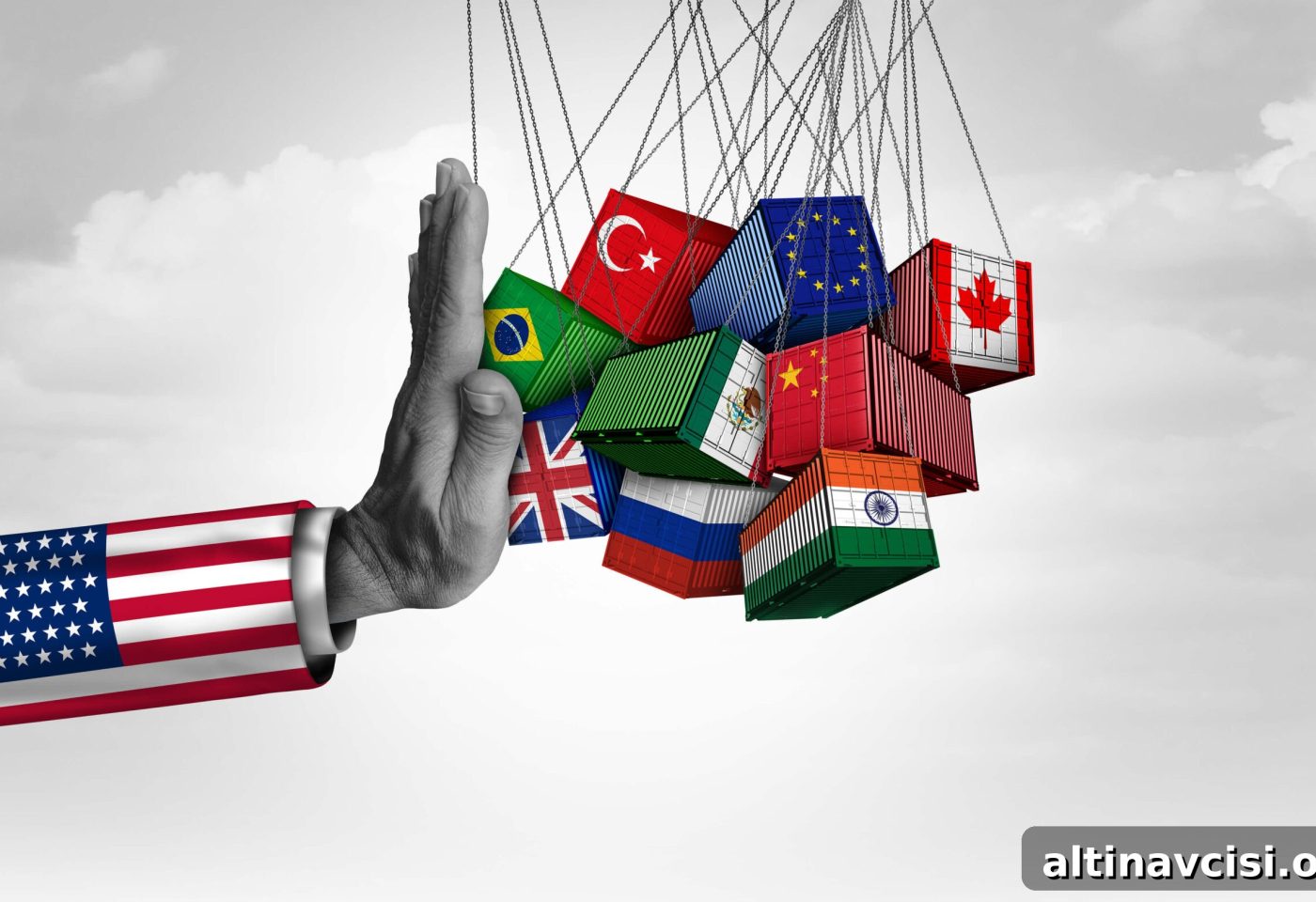
President Trump announced plans to notify more than 150 countries that a new standardized tariff rate will be applied to goods from those nations unless new trade terms are negotiated. According to officials, the rate is likely to be either 10% or 15%. The administration will send formal letters in the coming days, serving as a clear notice that the tariffs will take effect unless alternative trade agreements are reached before August 1.
What the Notices Mean
These letters function as formal notification to trading partners that the United States intends to impose a single, standard tariff rate across a broad group of countries. In practice, the notices establish a deadline and a default tariff level: if no new bilateral or multilateral arrangements are agreed upon by the deadline, affected goods could face the standardized tariff. The administration characterizes the letters as part of an expanded trade agenda intended to simplify and standardize U.S. tariff policy.
Who Is Affected
More than 150 nations are targeted by the plan, most of them described as smaller economies that currently benefit from preferential trade status or assorted tariff exemptions. While many of the affected countries are not among the United States’ largest trading partners, the move could still disrupt supply chains, increase the cost of imports for U.S. businesses, and prompt diplomatic negotiations. Key trade partners such as the European Union and Canada are watching the situation closely; some reports indicate those partners could face even steeper tariffs under the new framework if specific exemptions or new agreements are not secured.
Economic and Market Effects
Economists and market observers have given mixed assessments. Some say the announcement may introduce a degree of predictability—by setting a single rate and a clear deadline, importers and exporters can plan for a defined outcome. Others warn it signals ongoing volatility in trade policy, since an abrupt shift to a standardized rate could rapidly change costs for businesses, affect sourcing decisions, and ripple through global supply chains.
Financial markets reacted to the announcement with increased uncertainty. Currency movements, commodity prices, and stock market behavior can be sensitive to trade policy changes, especially when many countries are affected simultaneously. Businesses that rely on imported intermediate goods may face higher input costs if tariffs are implemented, potentially passing those costs along to consumers or adjusting production strategies to mitigate the impact.
Diplomatic and Negotiation Implications
The letters are effectively an invitation to renegotiate terms. Governments receiving notification will have options: seek a new bilateral agreement, attempt to secure a multilateral solution, or accept the standardized tariff. Smaller economies in particular may find themselves with limited leverage and little time to negotiate comprehensive new terms before the August 1 deadline.
For U.S. trade partners with deeper economic ties—such as members of the European Union and Canada—the stakes are higher. Negotiations with larger partners could involve broader discussions about tariff levels, quotas, and other trade instruments. The administration’s approach may spur urgent diplomacy, as countries work to protect export sectors and preserve access to the U.S. market.
What to Watch Next
Key developments to monitor in the coming weeks include the content and timing of the formal letters, responses from affected governments, and any rapid diplomatic engagements aimed at reaching new trade terms. Businesses should review supply chains, evaluate potential cost increases, and consider contingency plans if tariffs are implemented. Policy watchers and market participants will be looking for signs that negotiations can avert broad-based tariffs or, alternatively, for indications that the standardized rate will take effect as stated.
The announcement underscores how trade policy continues to be a significant driver of economic risk and strategic decision-making for governments and companies alike. With a defined deadline and a potentially wide scope, the coming weeks are likely to shape global trade dynamics and influence economic activity across multiple regions.
Popular Topics
Picked from the archive
-
01
 Topics
Gold Prices Slip After Trump Confirms Powell Will Stay
-
02
Topics
US Mediates Congo Mineral Deal to Secure Strategic Metals Supply
-
03
Topics
Incrementum Gold Compass: July 2025 Market Outlook
-
04
Topics
4 Trillion AI Milestone Sparks Valuation Concerns
-
05
Topics
Oil Price Tops $65 as US-China Trade Talks Lift Markets
-
06
Topics
Carney Threatens Counter Tariffs if Trade Deal Fails by July 21
-
07
Topics
Gold Holds Above $3,400 as Geopolitical Risk Fuels Rally
-
08
Topics
CBO: Trump Tax Cuts Add $2.8 Trillion to US Debt