Tariffs Boost Gold Prices Despite Weekly Drop Ahead of US Jobs
Gold Edges Higher as New Tariffs Stir Market Uncertainty
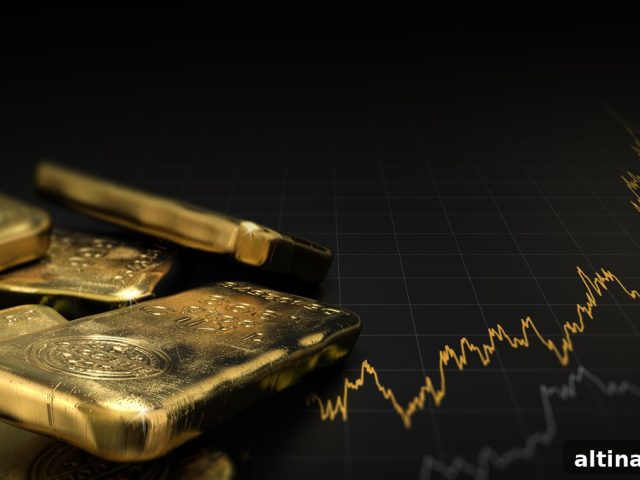
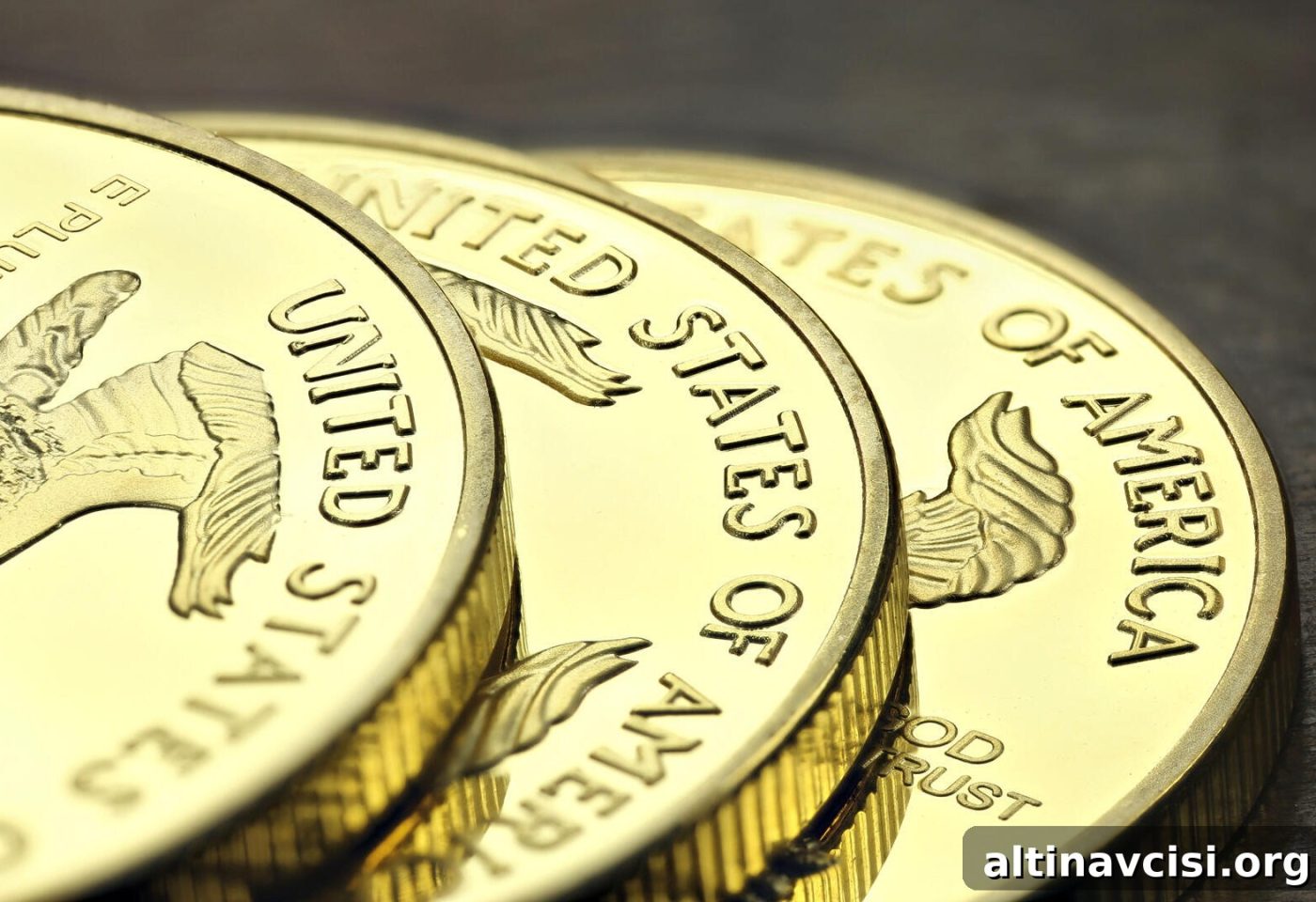
Gold prices rose about 0.3% on Friday to $3,299.54 per ounce after U.S. President Trump unexpectedly imposed steep tariffs on exports from Canada, Brazil, India and Taiwan. The move prompted a fresh wave of risk reassessment among investors, lifting safe-haven demand for bullion even as broader weekly performance remained negative.
Despite the intraday gain, gold closed the week down roughly 1.4%. Market participants noted that although tariffs and geopolitical tensions can drive short-term demand for precious metals, other macroeconomic forces continue to exert strong influence on prices. In particular, analysts pointed out that a strong U.S. jobs report could steer gold toward the $3,200 level, underscoring the delicate balance between inflation expectations, real yields and safe-haven flows.
Investors Watch Jobs and Inflation Data
Traders are closely awaiting the U.S. July non‑farm payrolls report. Employment data is a key input for interest rate expectations: a robust payrolls print tends to strengthen the U.S. dollar and push real yields higher, which can weigh on gold. At the same time, weaker-than-expected payrolls could rekindle recession concerns and boost demand for bullion as a store of value.
Inflation dynamics are also in focus. June consumer prices rose by 0.3%, a move that market participants linked in part to higher import costs resulting from the newly announced tariffs. When tariffs increase the cost of imported goods, they can feed into headline inflation, adding complexity to central bank decision-making and influencing the relative appeal of inflation hedges such as gold.
Federal Reserve Policy and the Rate Outlook
The Federal Reserve maintained its target federal funds rate in the 4.25%–4.50% range on July 31, a decision that reduced immediate expectations for a rate cut in September. Higher-for-longer policy rates tend to raise the opportunity cost of holding non-yielding assets like gold, which can cap price advances even when safe-haven demand rises.
At the same time, the Fed’s stance does not eliminate the inflationary pressures that tariffs and supply-chain disruptions can create. The interplay between sticky inflation and a central bank committed to higher rates could lead to sustained volatility for bullion as markets react to each new data point and policy signal.
How Tariffs Affect Gold
Tariffs on major trading partners—such as those announced on exports from Canada, Brazil, India and Taiwan—can influence gold through several channels. First, they can lift headline inflation by increasing import prices, which tends to support demand for inflation hedges. Second, tariffs introduce additional geopolitical and trade uncertainty, often prompting investors to seek the relative safety of physical and paper gold. Third, if tariffs slow economic growth materially, expectations for future rate cuts could rise, which would typically support higher gold prices.
However, the net impact on gold depends on how markets weigh these factors against the outlook for real interest rates and the U.S. dollar. A strong labor market print or persistent hawkish commentary from the Fed could strengthen the dollar and real yields, offsetting the bullish drivers from tariffs and inflation concerns.
Outlook and Near-Term Risks
In the near term, gold’s trajectory will likely hinge on the upcoming payrolls report, subsequent inflation readings, and any additional policy signals from the Federal Reserve. Continued trade tensions and tariff-related inflationary pressure could sustain a baseline level of safe-haven interest, while stronger-than-expected economic data may keep prices under pressure by supporting higher real yields.
For investors, the current environment underscores the importance of monitoring macroeconomic releases and central bank communications closely. Gold remains sensitive to competing forces—inflation and geopolitical risk on one hand, and interest-rate expectations and real yields on the other—making it a barometer of broader market sentiment during periods of heightened uncertainty.
Popular Topics
Picked from the archive
-
01
 Topics
U.S. Jobs Surge Dims Chances of July Fed Rate Cut
-
02
Topics
Trump Imposes 50% Copper Tariff, Global Markets Reeling
-
03
Topics
Tariffs Drive Up Consumer Prices as Inflation Rises
-
04
Topics
Trump’s Big Beautiful Bill Clears House; Senate Vote Looms
-
05
Topics
Treasury Yields Jump After May Inflation Tops Estimates at 2.7%
-
06
Topics
Trump Threatens 100% Tariff on Chips to Revive U.S. Manufacturing
-
07
Topics
When Should You Start a Precious Metals IRA?
-
08
Topics
Cryptocurrency Prices Slide as Investors Exit Risk Assets