When Should You Start a Precious Metals IRA?
One of the most common questions in retirement planning is: when is the best age to start a precious metals IRA? The simple truth is there is no single “best” age for everyone — the right time depends on your financial situation, goals, and time horizon. However, in almost all cases the earlier you begin, the more opportunity you have to benefit from tax advantages, compounding, and the portfolio diversification that physical metals can provide.
Why Precious Metals IRAs Matter
A precious metals IRA lets you hold physical gold, silver, platinum or palladium inside a tax-advantaged retirement account. That structure combines the inflation-hedging and diversification benefits of tangible metals with IRA tax rules. For many investors, adding precious metals is a practical way to protect purchasing power during periods of inflation or market volatility, and to reduce overall portfolio correlation with stocks and bonds.
Age and Investing: What You Should Know
You can establish a precious metals IRA as long as you have eligible earned income and meet IRS requirements for IRAs. Contribution limits and withdrawal rules for IRAs also apply: distributions are generally allowed without penalty after age 59½, while early withdrawals may incur taxes and penalties. For traditional IRAs, required minimum distributions (RMDs) apply at the age determined by current tax law; for Roth IRAs, qualified withdrawals can be tax-free. These rules affect how and when you should allocate metals within your overall retirement strategy.
Starting in Your 20s and 30s: Building a Foundation
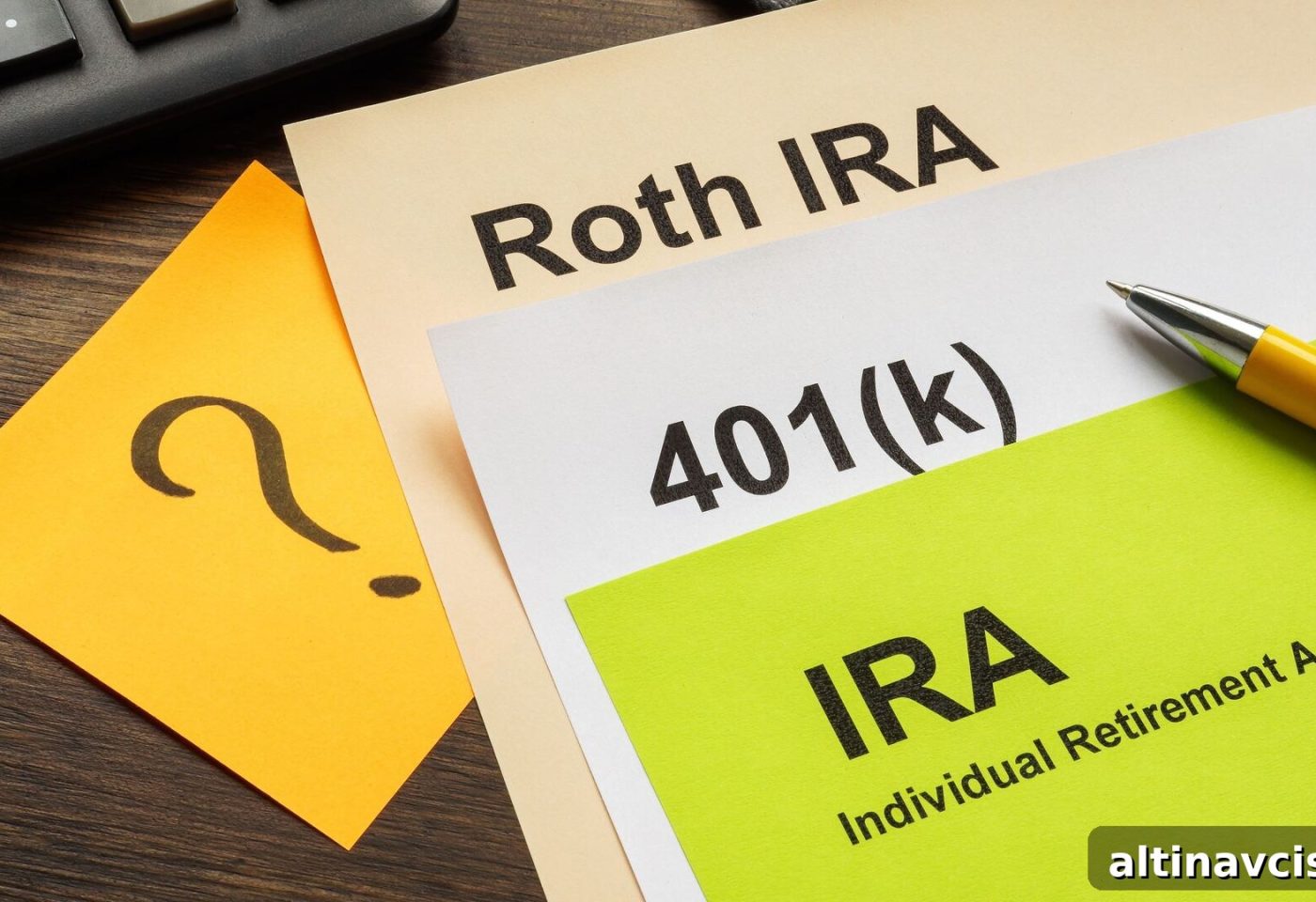
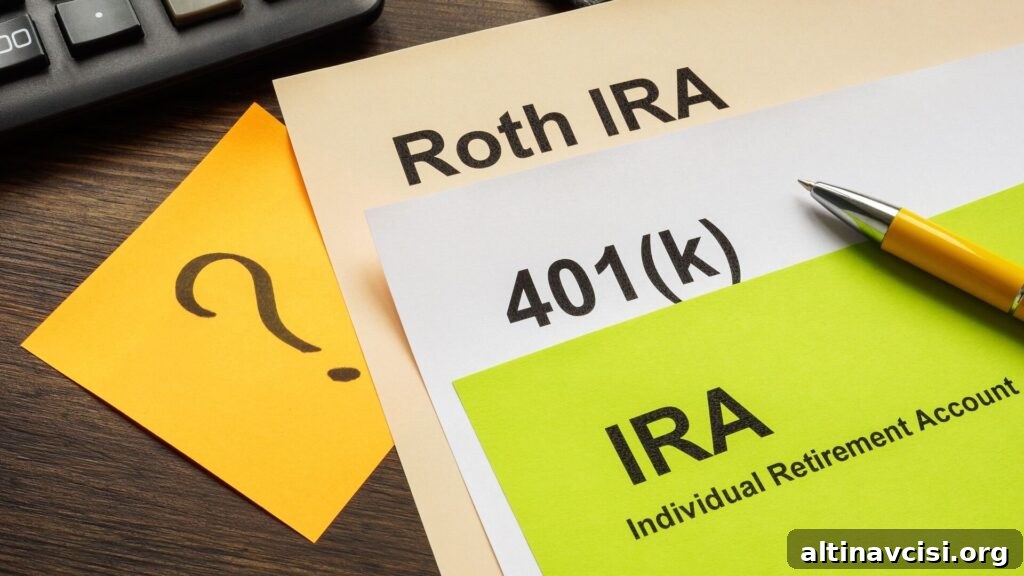
If you’re in your 20s or 30s, your priority is typically long-term growth. Most younger investors concentrate on retirement accounts like 401(k)s and Roth IRAs. Even so, allocating a modest percentage of your retirement assets — for example 5–10% — to precious metals can add long-term protection. With decades ahead, tax-deferred or tax-free growth (in a Roth) can amplify the benefits of an early allocation.
Your 40s: Grow and Diversify
During your 40s many people reach peak earning potential while continuing to juggle mortgages, family expenses, and savings goals. This stage is often well suited to increasing exposure to alternative assets. Consider a larger allocation in the 10–15% range to help diversify and stabilize your portfolio against equity market swings and inflation risk.
The 50s and Beyond: Preservation and Catch-Up
When you enter your 50s and approach retirement, capital preservation becomes a higher priority. IRAs permit catch-up contributions for those 50 and older, offering an opportunity to boost retirement savings and increase holdings in less-correlated assets like precious metals. At this stage many investors target 15–25% allocations to emphasize preservation while still participating in potential gains.
Tax Considerations and Strategy by Age
Deciding between a traditional and a Roth precious metals IRA depends on expected future tax rates, income today, and your retirement timeline. Younger investors often prefer Roth accounts for tax-free withdrawals in retirement, while those seeking current tax deductions may choose traditional IRAs. Planning for distribution rules and required minimum distributions is an important part of an age-based strategy.
Why Waiting Has a Cost
Delaying the start of a precious metals IRA means missing years of tax-advantaged growth and the compounding effect that comes with it. The protective qualities of physical metals can be most effective when they are part of a long-term, disciplined allocation rather than a last-minute shift. Beginning early — even with a small percentage of your portfolio — can improve diversification and reduce long-term risk.

Invest Now
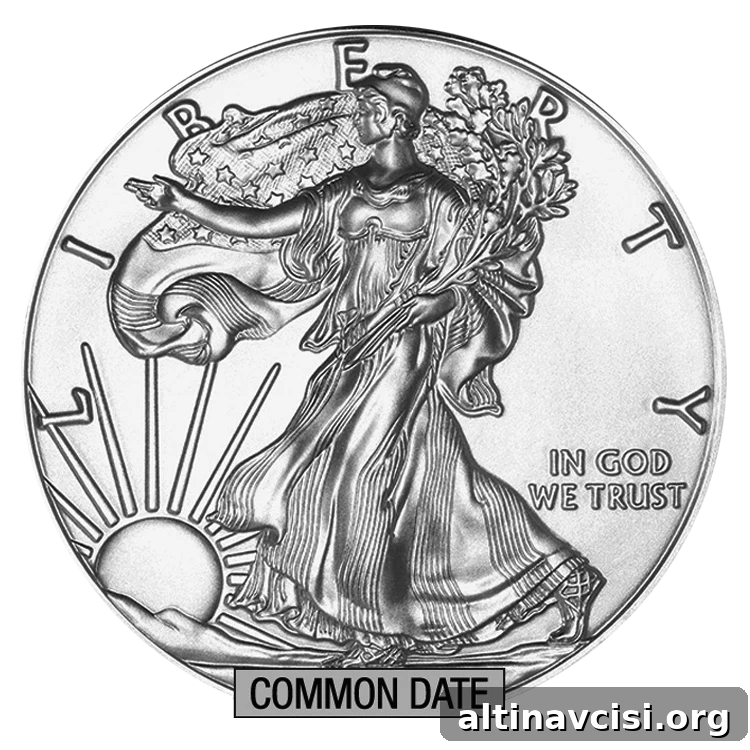
Invest Now
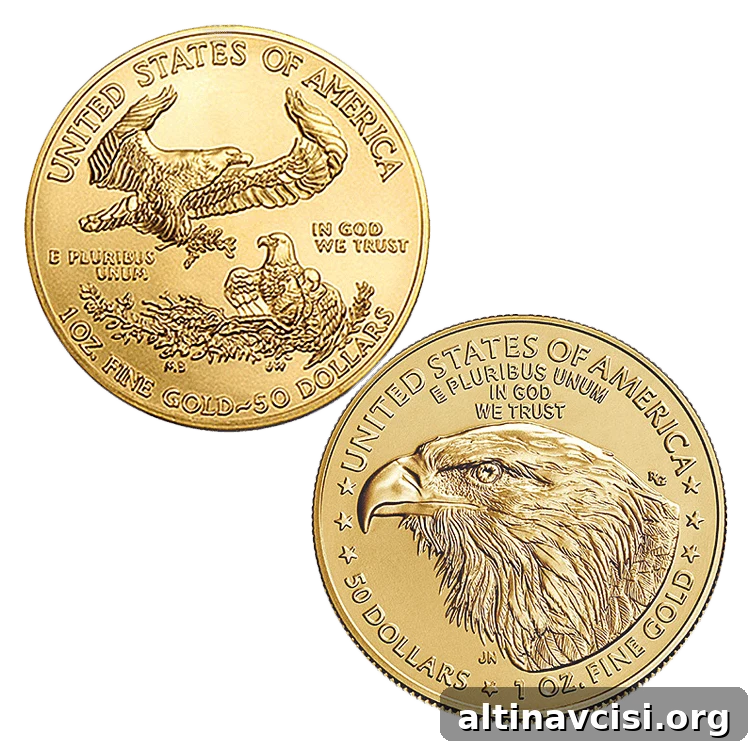
Invest Now

Invest Now
A Balanced Approach for Every Stage of Life
Below is a straightforward guideline to help determine how much of your retirement portfolio you might consider allocating to precious metals. These are starting points — adjust based on risk tolerance, other assets, and financial responsibilities.
- 20s–30s: 5–10% — use metals as long-term insurance and inflation protection while focusing on growth investments.
- 40s–50s: 10–15% — increase allocation to add stability and diversification during peak earning years.
- 50s–65s: 15–25% — emphasize preservation and use catch-up contributions to strengthen your position.
- 65+: 20–30% — prioritize capital protection, income needs, and legacy planning with a higher allocation to physical metals.
These allocation ranges are guidelines, not rules. Your ideal mix will reflect personal goals, retirement timing, other savings, and how much volatility you can tolerate.
Bottom Line: The Best Age Is When You Start
The most important decision is to begin with a clear plan. Starting a precious metals IRA earlier gives you more flexibility and time to benefit from tax advantages and diversification. Whether you begin in your 20s, 40s, or later, a measured allocation to physical metals can serve as an effective component of a well-rounded retirement strategy. Make choices that align with your long-term goals, consult trusted professionals when needed, and revisit your plan regularly as circumstances change.
Investing in Physical Metals Made Easy
Build a tax-advantaged allocation that complements your broader retirement plan.
Get Gold & Silver Insights Direct to Your Inbox
Join thousands of investors who receive market updates, expert analysis, and occasional exclusive offers.
This article is provided for informational purposes only and is not investment advice. Always conduct your own research and consult a qualified financial professional before making investment decisions.
Popular Topics
Picked from the archive
-
01
 Topics
Why Ground Beef Prices Are Soaring as Cattle Supply Shrinks
-
02
Topics
Gold Falls to One-Week Low as Trade Talks Enter Final Days
-
03
Topics
Brazil Inflation Off Target for Sixth Straight Month
-
04
Topics
Oil Price Tops $65 as US-China Trade Talks Lift Markets
-
05
Topics
June CPI Jumps 2.7 Percent as Tariffs Push Up Consumer Prices
-
06
Topics
Why Wealthy Investors Allocate 11% of Portfolios to Gold
-
07
Topics
Senate Tax Bill Adds 3.3 Trillion to Deficit, Raising Alarm
-
08
Topics
Powell’s Rate-Cut Dilemma: Trump vs Fed Credibility