Gold vs Silver: Which Metal Fits Your Portfolio?

As global economic uncertainty and inflation concerns continue to influence markets, many investors are reconsidering their approach to precious metals. If you’re weighing gold vs. silver for stability, diversification, or long-term growth, you may be asking: Should I buy gold, silver, or a combination of both?
This article compares the two metals, outlines the strengths and trade-offs of each, and offers practical allocation ideas so you can build a precious-metals strategy that fits your goals and risk tolerance.
Gold vs. Silver in 2025: What Makes Each Metal Unique?
Gold is widely recognized as a financial safe haven. It has preserved purchasing power across generations, and investors often turn to gold during recessions, currency devaluations, or geopolitical stress. Gold’s appeal comes from its global acceptance, relatively lower volatility, and limited reliance on industrial demand.
Silver combines characteristics of both a precious metal and an industrial commodity. That dual role makes silver more sensitive to shifts in manufacturing and technology demand—especially sectors like solar, electronics, and electric vehicles—resulting in higher price volatility but also greater upside potential when industrial demand accelerates.
Why Gold? The Ultimate Safe-Haven Asset
Gold tends to move steadily rather than swinging wildly. It rarely spikes overnight and typically avoids the deepest crashes that can affect riskier assets. For these reasons, many investors treat gold as a portfolio anchor—an asset that helps preserve wealth through inflationary cycles and market corrections.
- Lower volatility than silver
- A long-established store of value
- Favored by central banks and large institutions
- Less dependent on industrial demand
Notably, gold reached record levels in 2024 even as real interest rates rose, highlighting its continued role as a hedge in a changing economic landscape.
Why Silver? High-Growth Potential for Risk-Tolerant Investors
Silver’s smaller market size and significant industrial use make its price more reactive to economic trends. When technology and clean-energy demand expand, silver can benefit disproportionately compared with gold.
- Lower cost per ounce than gold
- Potential for larger percentage gains
- Growing demand from solar energy, EVs, and electronics
- Can outperform gold during strong bull markets
For example, during the post-pandemic market recovery in 2020, silver climbed about 47.9% while gold rose roughly 25.1%, illustrating silver’s sharper moves during favorable conditions. Historical episodes—such as the 1980 Hunt Brothers attempt to corner the silver market—also show silver’s capacity for extreme, fast-moving volatility when demand surges.
Investing in Physical Metals Made Easy
Portfolio Blueprints: Finding Your Gold-Silver Balance
Your ideal allocation depends on time horizon, financial goals, and how much short-term volatility you can tolerate. Below are three example allocations to help you think about where gold and silver might fit within a diversified portfolio.
Conservative (Focus on Stability)
- Gold: 8–10%
- Silver: 2–3%
- Prioritizes value preservation and lower volatility.
Balanced (Growth & Protection)
- Gold: 5–8%
- Silver: 3–5%
- Aims for resilience with some upside exposure.
Growth-Oriented (Higher Risk Tolerance)
- Gold: 3–5%
- Silver: 7–10%
- Targets stronger returns during bull markets and economic recoveries.
These blueprints are starting points; adjust allocations based on your personal situation and re-evaluate as markets and goals change.
Data-Driven Insights: Understanding Gold and Silver Trends
- Industrial demand drives a large portion of silver consumption, creating a demand floor that gold does not experience.
- The gold-to-silver ratio—often seen between about 70:1 and 85:1—can highlight relative value; a higher ratio may suggest silver is undervalued versus gold.
- Central banks have been significant net buyers of gold, supporting a long-term price floor through institutional accumulation.


Getting Started: Five Ways to Add Precious Metals to Your Portfolio
Whether you prefer direct ownership or indirect exposure, there are practical ways to add precious metals based on convenience, liquidity, and cost.
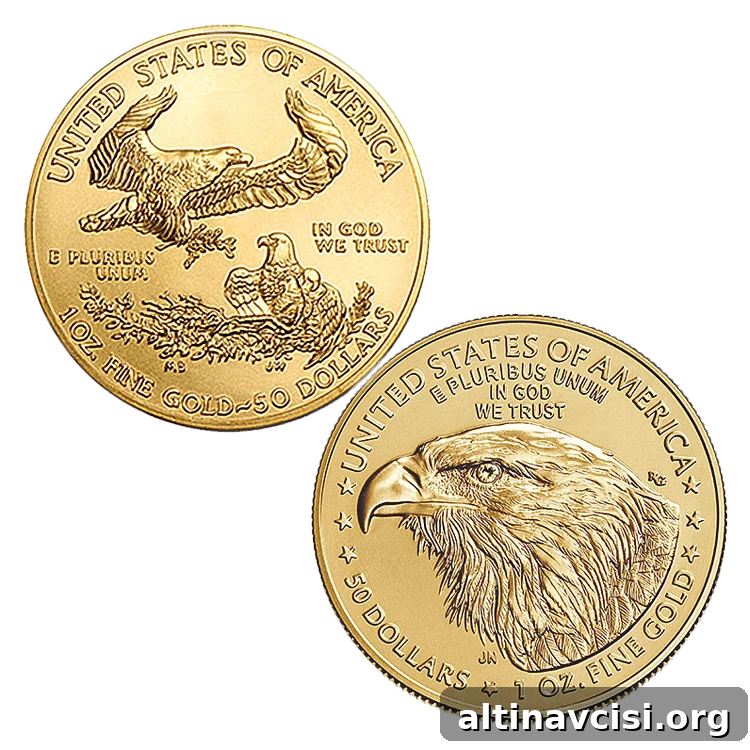
- Physical Bullion: Coins and bars kept at home or in secure vaults. Choose widely recognized coins and standard weights rather than collectibles to preserve liquidity and resale value.
- Vault Storage: Fully insured storage in professional vaults provides security and immediate liquidity without the risks of home storage.
- IRAs & Retirement Accounts: Tax-advantaged accounts that can include physical precious metals for long-term retirement planning.
- InstaVault: Fractional ownership options let you dollar-cost average into metals and convert holdings to physical bars when desired.
- ETFs and Mining Stocks: Indirect exposure through exchange-traded funds or mining equities offers liquidity and convenience but brings different risks than owning physical metal.
The Smart Money Move: Why Diversification Wins
The more useful question is not simply “gold or silver?” but “how much of each should I hold?” Combining both metals often produces a stronger outcome than owning only one.
- Gold provides stability: It serves as a portfolio anchor, helping preserve capital in turbulent markets.
- Silver provides growth: It offers higher upside potential during recoveries and technology-driven demand cycles, though with greater short-term swings.
Used together, gold can dampen silver’s volatility while silver can deliver outsized gains when industrial demand and investor sentiment align. Balance allocations to reflect your objectives, then review and rebalance regularly.
Ready to take the next step?
Consider investment-grade bullion that aligns with your allocation plan and storage preferences, and make decisions consistent with your broader financial strategy.
Get Gold & Silver Insights Direct to Your Inbox
Join thousands of investors who receive market analysis, practical strategies, and exclusive updates to help manage their precious metals exposure.
Popular Topics
Picked from the archive
-
01
 Topics
Gold Could Reach $4,000 as Silver Surges and Oil Falls
-
02
Topics
July Minimum Wage Hikes in 15 States and Cities
-
03
Topics
Silver Prices Jump 35% YTD as Rally Accelerates
-
04
Topics
4 Trillion AI Milestone Sparks Valuation Concerns
-
05
Topics
Reuters Poll: Flight to Safety Boosts Gold and Silver Forecasts
-
06
Topics
Industrial Demand Sends Silver and Platinum 28% Ahead of Gold
-
07
Topics
Can Gold Hold at $4,300? Price Outlook for Investors
-
08
Topics
Barclays’ Euphoria Gauge Signals Bubble as Speculation Surges