2026 IRS Rules for Precious Metals IRAs
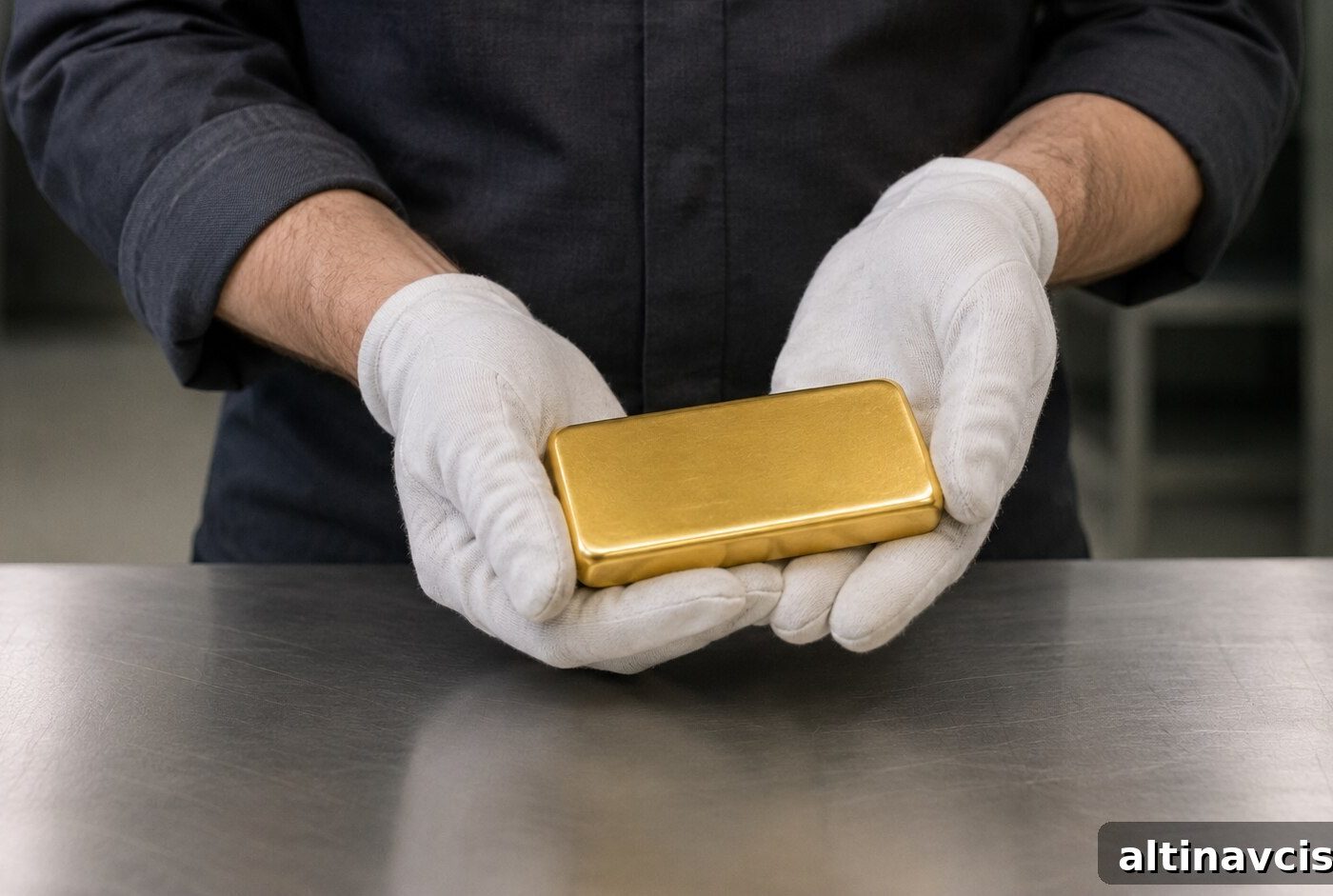
A precious metals IRA is an individual retirement account that holds physical gold, silver, platinum or palladium under the same tax rules that govern any other IRA. One requirement, however, is decisive: a bank or an IRS‑approved trustee must maintain physical possession of the metal. If you buy an eligible coin and keep it in your personal safe, the IRS treats that action as a distribution from your IRA.
Under Internal Revenue Code Section 408(m)(3), an IRA may hold certain coins and bullion that meet statutory standards. But the exemption applies only while a qualifying trustee—either a bank or an IRS‑approved non‑bank trustee—actually holds the metal. If a retirement account purchases collectibles outside that exception, the IRS treats the acquisition as a distribution in the year of purchase, valued at cost and reported on Form 1099‑R. The United States Tax Court applied this rule in McNulty v. Commissioner (157 T.C. No. 10, Nov. 18, 2021). In that case, American Eagle coins purchased by an IRA‑owned LLC and stored at the taxpayers’ home safe were treated as taxable distributions. In short: eligibility determines what you may buy; custody determines whether it remains inside the account.
Key Takeaways
- Two distinct tests affect whether metal can be IRA property: the statutory coin list and the bullion purity standard. Passing one test makes the item eligible—but custody rules still apply.
- The often‑quoted purity levels (99.5% for gold and 99.9% for silver) come from commodity market delivery standards that the statute references, not from the tax code phrasing itself.
- Popular IRA gold coins such as the American Gold Eagle are 91.67% pure and would fail the generic purity test, yet they qualify because Congress named them specifically in the law.
- Taking personal possession of IRA metal is not a storage option. McNulty v. Commissioner confirms that personal possession converts the holding into a taxable distribution.
- IRS Notice 2025‑67 set the 2026 IRA contribution limit at $7,500, or $8,600 if you are 50 or older.
What Is a Precious Metals IRA?
A “precious metals IRA” is not a distinct account type under the tax code; it is a standard IRA—often self‑directed—that holds physical bullion instead of cash, stocks or mutual funds. Contribution limits, distribution rules and early‑withdrawal penalties remain the same as for other IRAs. The difference lies in logistics: brokers record securities electronically, but physical metal requires a custodian capable of administering and accounting for a tangible asset, and the metal must be stored somewhere secure under the custodian’s control.
That storage requirement is the key point of confusion in this market. For guidance on setting up a self‑directed IRA and the mechanics of account administration, consult a complete guide to self‑directed IRAs offered by knowledgeable custodians or tax professionals.
The Knowledge That Changes Everything

Two essential guides — free: learn why gold matters and the dynamics that drive fiat currency depreciation.
Which Metals Qualify for a Precious Metals IRA?
The tax code starts from a prohibition: Section 408(m) broadly bars IRAs from holding “collectibles,” a category that includes coins and precious metals. Section 408(m)(3) then creates two limited exceptions. A metal holding needs to satisfy only one of those two paths to be eligible.
The first path is a statutory list: Congress specifically identifies certain coins by reference to U.S. law, and coins issued under state law can also qualify. The American Gold Eagle, for example, is included by name.
The second path is a purity test: bullion that meets the minimum fineness required for delivery on a regulated futures market qualifies as IRA property under Section 408(m)(3)(B). In practice, commodity delivery specifications translate to commonly cited thresholds—approximately 99.5% for gold and 99.9% for silver—though those figures come from exchange standards rather than verbatim text in the tax statute.
Because Congress named some coins explicitly, items like the 22‑karat American Gold Eagle (about 91.67% fine) qualify despite falling short of the generic purity threshold. In contrast, coins such as the Silver Maple Leaf, at 99.99% purity, meet the purity standard on their own.
“IRA‑approved” therefore indicates an item passed one of two distinct legal tests; it does not guarantee your account remains compliant if custody rules are not followed. For specifics about silver thresholds, custodial choices, and account limits, consult authoritative guides and your custodian.
Why Can’t You Store a Precious Metals IRA at Home?
The statutory exception that permits IRAs to hold bullion works only while a qualifying trustee has physical possession. Section 408(m)(3)(B) permits bullion that meets the fineness requirement, but it explicitly conditions that exception on the metal being in the physical possession of a trustee described under subsection (a)—a bank or an IRS‑approved non‑bank trustee. That possession requirement is an element of the exemption, not optional storage advice.
McNulty v. Commissioner provides a concrete illustration. Taxpayers set up self‑directed IRAs that invested through an LLC; the LLC purchased American Eagle coins and placed them in a home safe. Despite documentation and the LLC ownership, the Tax Court held that the taxpayers’ physical possession converted the purchases into taxable distributions equal to their purchase price, with potential penalties following. The court emphasized that possession conferred unfettered control, which is inconsistent with the custodial structure the law requires.
Because courts interpret exceptions narrowly, using an LLC or paperwork cannot substitute for the statutory custody condition. Permitted metal plus improper possession does not produce a permitted holding—it produces a distribution dated to the year you took possession.
What Do the Numbers Look Like in 2026?
Contribution limits follow ordinary IRA rules. For 2026, the IRS set the limit at $7,500, or $8,600 for account owners age 50 and older. Traditional and Roth IRAs share this cap.
Market prices for precious metals influence how much metal a transfer or purchase will buy. Prices fluctuate, and custody fees are a recurring expense; however, storage costs are generally modest compared with the tax consequences of mishandling custody. Weigh storage fees against the risk of triggering a taxable distribution if you take possession of IRA assets improperly.
Stay On Top of Gold & Silver
Sign up with your custodian or newsletter provider to receive market alerts.
Frequently Asked Questions
Yes. An IRA may hold gold that either appears on the statutory coin list in Internal Revenue Code Section 408(m)(3)(A) or meets the bullion fineness threshold in Section 408(m)(3)(B). For gold, the widely cited threshold is 99.5% purity under exchange delivery standards. In all cases, a bank or an IRS‑approved non‑bank trustee must keep physical possession. Buying eligible gold and storing it yourself results in a taxable distribution reported on Form 1099‑R.
Bullion must satisfy the fineness standards referenced in Section 408(m)(3)(B), which translate in practice to roughly 99.5% for gold and 99.9% for silver; platinum and palladium have comparably high thresholds. These figures derive from commodity market delivery specifications that the statute references. Note that coins explicitly named in the law qualify even if they do not meet those purity thresholds.
No. The Tax Court in McNulty v. Commissioner ruled that placing IRA‑owned coins in a taxpayer’s home safe amounted to a taxable distribution. Ownership paperwork or an LLC wrapper did not change the result. Personal possession gives the owner control inconsistent with the custodial possession the statute requires.
The 2026 limit is $7,500, rising to $8,600 if you are 50 or older, as set by IRS Notice 2025‑67. That cap applies across all your traditional and Roth IRAs combined.
The metal must be in the physical possession of a bank or an IRS‑approved non‑bank trustee. In practice, the custodian arranges storage at a third‑party depository the trustee designates. When evaluating providers, verify who the approved trustee is and where the metal will be stored.
Taking physical delivery is a distribution. For a traditional IRA, the value is treated as ordinary income in the year of the distribution, and a 10% early‑withdrawal penalty generally applies if you are under 59½. This applies regardless of intent—receiving the metal personally triggers tax consequences.
SOURCES
Internal Revenue Service — Investments in Collectibles in Individually Directed Qualified Plan Accounts; U.S. Code Title 26 — 26 U.S.C. § 408; U.S. Code Title 31 — 31 U.S.C. § 5112; Tax Notes — McNulty v. Commissioner; IRS Notice 2025‑67; Gallup polling on public views of gold; industry price charts and custody guides.
Disclaimer: This article is for informational purposes only and does not constitute investment or tax advice. Past performance is not indicative of future results. Consult a qualified financial or tax advisor before making investment decisions.
You May Also Like:
- Why Your Pension Can Own Gold and Your 401(k) Still Can’t
- Ten Percent Sent Gold Abroad. Nine Percent Brought It Home.
- Permanent Portfolio: Harry Browne’s 25% Gold Rule
- Australian Gold Kangaroo: The Bullion Coin Backed by an Act of Parliament
- What Is Sound Money? Why the Dollar Lost 87% of Its Value Since 1971
- Vault Storage vs. Gold ETFs: Who Owns the Gold You Paid For?
- Silver Price Outlook August 2026: Down 47% and Barely Owned
- What Does an Inverted Yield Curve Mean for Gold Prices — and How Do You Use It?
- Gold Price Outlook August 2026: What Three Data Prints in One Week Mean for Your Metals
Popular Topics
Picked from the archive
-
01
 Topics
Gold Prices Stabilize Amid Saudi-Iran Tensions
-
02
Topics
Why Gold Held Steady After Trump’s Economic Pressure on Iran
-
03
Topics
Oil Drops 11% as Gold Rises: What Investors Need to Know
-
04
Topics
3 Questions Investors Must Ask Before Buying Any Asset in 2026
-
05
Topics
Silver Surges Past $70 Amid Conflicting GDP Data
-
06
Topics
What’s Moving Gold and Silver Prices This Week
-
07
Topics
How FOMC Minutes and Jackson Hole Could Move Gold
-
08
Topics
Two Investors Ran Debt Math Separately and Chose 15 Percent Gold