Market Sentiment 48.1, Gold Sells Off – 4.6% Was the Key Number

American consumers delivered a more nuanced signal to the Federal Reserve than a single headline number can convey. The University of Michigan’s final Consumer Sentiment Index for September rose to 48.1, slightly above the preliminary 47.8 reading. On the surface, that modest improvement suggests sentiment stabilized. Yet a sharper development inside the survey — year-ahead inflation expectations jumping to 4.6% — grabbed market attention and moved gold prices more than the headline mood metric.
On Friday afternoon, gold traded around $4,280 per ounce after slipping from about $4,305 earlier in the session. Silver remained near $64.22. Both metals were positioned to finish the week lower despite a Thursday bounce off one-week lows. Traders focused on the inflation-expectations component of the Michigan survey, which altered the interest-rate outlook and the market’s short-term appetite for safe-haven assets.
Key takeaways:
- The University of Michigan’s final September consumer sentiment reading came in at 48.1, close to consensus. However, year-ahead inflation expectations rose from 4.0% to 4.6%, reaching a four-month high.
- Gold and silver pulled back from pre-data levels near $4,305 and $65. The inflation surprise reinforced roughly 71% odds, according to the CME FedWatch Tool, that the Fed will raise rates again at its October meeting.
- Five-year inflation expectations also moved higher to 3.4%, after three months at 3.3%. That suggests confidence in the Fed’s 2% inflation target is loosening across the curve.
Why Did a Better Sentiment Number Hurt Gold?
Normally, an uptick in consumer sentiment would be neutral to positive for risk assets and not necessarily a reason to sell gold, a traditional safe haven. The market reaction this time stemmed from a different element of the same report: consumers’ higher inflation expectations. The Federal Reserve watches inflation expectations closely, because they can influence real interest rates and future monetary policy decisions.
Typically, rising inflation expectations push real yields lower (real yields = nominal yields minus expected inflation), and lower real yields tend to support gold prices. Today that relationship appeared to break: traders read the inflation surprise as evidence that the Fed may need to raise rates further, which increased the odds of another rate hike. Higher expected policy rates kept the dollar near a two-month high and compressed gold’s upside, even though textbook real-yield math might have suggested a different outcome.

The Edge Every Investor NeedsSmarter precious metals investing starts here. The Nuggets Newsletter delivers market insights, Fed updates, global trends and educational material for investors.
What Is Driving the Jump in Inflation Expectations?
Joanne Hsu, director of the University of Michigan Surveys of Consumers, said the move reflects persistent price pressure rather than a single trigger. Survey respondents highlighted renewed concerns about fuel prices and trade tensions. Confidence in the near-term outlook weakened across political lines even as the headline sentiment index inched higher. Consumers also reported slightly improved buying conditions for durable goods, which Hsu linked to shoppers purchasing sooner to avoid higher prices later — a behavior that itself reinforces inflation psychology.
What Are Markets Now Pricing for the Fed’s October Meeting?
Futures tied to the Fed funds rate moved to price roughly 71% odds of another rate increase on October 28, based on market-implied probabilities. That follows a September rate increase that set the target range at 3.75%–4.00%. Most policymakers now project at least one more hike this year, reinforcing market skepticism that the hiking cycle is complete. The 10-year Treasury yield eased slightly from a recent high near 5.22% to about 5.17%, but remains elevated by historical standards. The U.S. dollar stayed firm, constraining gold’s potential gains as the market weighs persistence in inflation against the end of the hiking cycle.
What Does This Mean for the Structural Case for Gold?
These developments do not alter the long-term rationale for holding physical gold. If anything, they underline it. An expectation of 4.6% inflation over the next year sits well above the Fed’s 2% objective and reinforces the narrative of de-anchoring expectations. When inflation expectations rise persistently, confidence in the central bank’s ability to return inflation to target can erode — a dynamic that historically supports higher gold prices.
The more subtle change is how markets interpret positive economic data. A stronger sentiment print no longer reads automatically as “good news” for markets because investors now ask whether the Fed can control the inflation the survey just highlighted. That focus on persistence — on whether price pressures will stick around — makes inflation a slower-moving challenge than the headline geopolitical events that have driven short-term moves in metals earlier this month.
What Should Investors Watch Next?
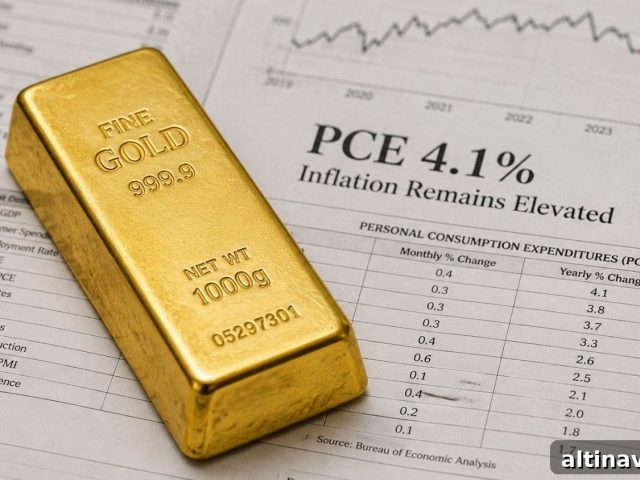
The economic calendar quickens. Key reports next week include the Personal Consumption Expenditures (PCE) inflation reading — the Fed’s preferred gauge — followed by the ISM Manufacturing PMI and the September jobs report. Any of these releases could shift market expectations for October policy action. Near-term technical levels to watch for gold include support around $4,237–$4,299 and resistance near $4,330–$4,362; a sustained move above those resistance points would signal a more convincing relief rally. Silver’s price action remains more volatile and has lagged year-to-date as it digested earlier swings and a sharp reversal from January spikes.
SOURCES
1. University of Michigan Surveys of Consumers, Final September 2026 Index of Consumer Sentiment (Sept. 25, 2026).
2. VT Markets, reporting on gold, dollar and treasury movements (Sept. 25, 2026).
3. CNBC coverage on market expectations for Fed policy (Sept. 23, 2026).
4. Reuters via Investing.com on US consumer sentiment and inflation expectations (Sept. 11, 2026).
Disclaimer: This article is for informational purposes only and does not constitute investment advice. Past performance is not indicative of future results. Always consult a qualified financial advisor before making investment decisions.
You May Also Like:
- Five Institutions Just Changed How You Can Own Gold and Silver
- Gold and Silver Rebound as the Dollar and Treasury Yields Take a Pause
- India’s Gold Imports Fell 58%. Silver Imports Rose 127%.
- Municipal Bonds Just Broke a 15-Year Record. Gold Doesn’t Have This Problem.
- Washington Sold $70 Billion in Debt. Wall Street Only Wanted Part of It.
- Gold’s Price Barely Moved. Five Institutions Repositioned Anyway.
- Iran Repeated Its Hormuz Demand at the UN. The Market Already Priced It In.
- Today’s PMI Beat Cuts Gold Two Ways. Only One Side Has Been Priced In.
- Gold Fell 1.7% Today. Silver Fell 3.6%. Five Signals Point at the Dollar, Not Demand.
Popular Topics
Picked from the archive
-
01
 Topics
PCE Inflation Hits 4.1%: Why Gold Prices Rose
-
02
Topics
After Trump Ends Ceasefire, Gold Prices Barely Budge
-
03
Topics
How Oil, PMI, and Newmont Are Driving Gold Prices
-
04
Topics
WGC Q1 2026: Asian Insights Wall Street Overlooks
-
05
Topics
Why Investors Keep Falling Into the Gold IRA Rollover Trap
-
06
Topics
Why BRICS Nations Are Stockpiling Gold
-
07
Topics
Gold Jumps $90 After June CPI Report
-
08
Topics
Why the SLV ETF Holds Your Silver but Won’t Return It