How the Fed Picks Gold Market Winners
The chair of the Federal Reserve spoke to Congress today and made a point every saver should hear. Fed rate policy — the central tool meant to stabilize the economy — has produced a clear generational divide in housing outcomes. Chairman Kevin Warsh told the House Financial Services Committee he wants monetary policy that is “not boom-and-bust, that don’t just make one generation more fortunate about being able to afford their first home than the next.”
This is not an abstract criticism. It is an official acknowledgement from the institution that sets the cost of money that its policies have favored people who happened to buy at a particular time while disadvantaging those who did not. That timing effect can be decisive: two savers with similar incomes and habits can face entirely different financial outcomes simply because of when the Fed changed rates.
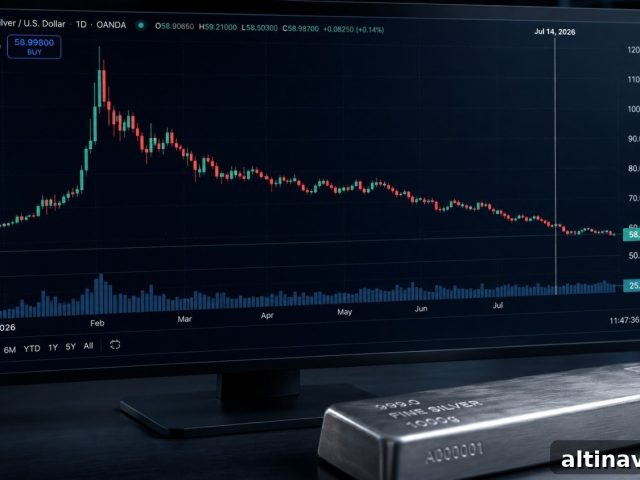
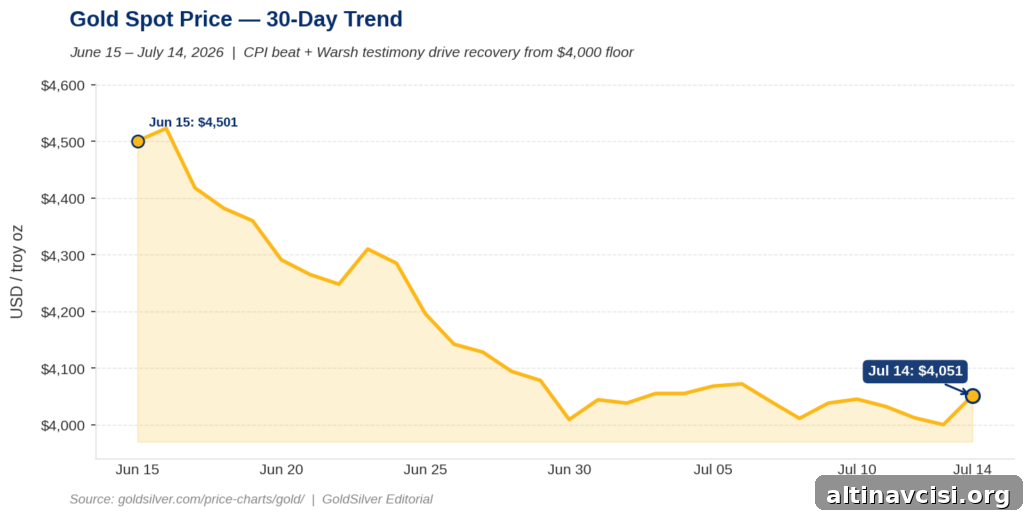
Gold rallied to $4,054.67 on Tuesday, up $53.76 (1.32%) after June CPI came in cooler than expected. Silver also rebounded, trading up to $58.77, a 1.96% gain. Both metals recovered strongly from Monday’s two-week lows as markets processed the CPI print and Warsh’s testimony together.
Why Did the Fed Chair Raise Housing Policy in a Monetary Testimony?
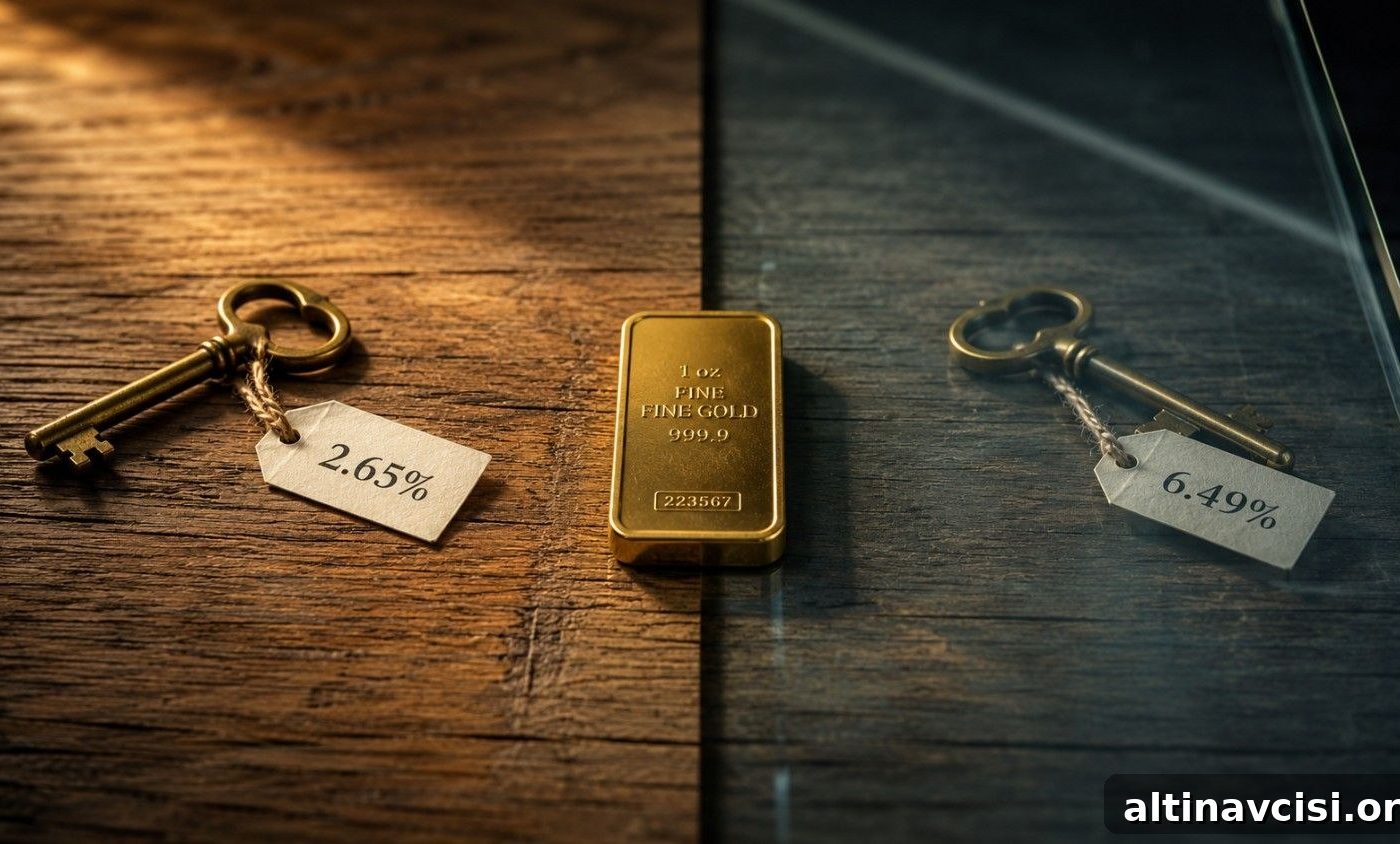
Warsh’s housing comments were spontaneous responses to lawmakers’ questions about the Fed’s post-pandemic rate cycle. He explained the mechanism bluntly. When the Fed pushed rates to near zero in 2020–2021, millions of buyers locked in historically low 30-year mortgage rates — many between roughly 2.65% and 3.5%, with record lows recorded in January 2021. Warsh described that window as “a once-in-a-lifetime opportunity to get the first house.”
Those buyers gained equity as home prices rose. By contrast, first-time buyers in 2026 face 30-year fixed rates averaging about 6.49% and substantially higher home prices than four years earlier. Today the mortgage payment on a median-priced home consumes roughly 32% of median household income, above the commonly cited 28–30% affordability threshold. The outcome is a housing market split not primarily by income or effort, but by the year a buyer entered the market.
About 80% of outstanding U.S. mortgages now carry rates at or below 6%, which makes current holders reluctant to sell. At the same time, surveys show a growing share of Americans view homebuying as unrealistic in 2026. The result: similar households, similar choices, but very different results driven by the Fed’s timing.
Why Does Fed Monetary Policy Create Winners and Losers?
The mechanism most coverage overlooks is simple: a fiat currency system gives a central bank the power to set the economy-wide price of money. When that price is kept artificially low, asset prices inflate. Between 2020 and 2022, low rates helped push housing and stocks to new highs. Households that already owned assets saw net worth rise while savers holding cash experienced erosion of purchasing power. When the Fed later raised rates to curb the inflationary fallout, it froze a market that had been overheated. That combination — higher prices and higher borrowing costs — is something no single household could have prevented by discipline alone. The system produced it.
Warsh openly called this a mistake, criticizing the Fed’s flexible average inflation targeting approach for inviting “a little more inflation” and ending up with much more. He urged a “regime change” in policy. But even sincere changes cannot instantly reverse years of compounding distortions: purchasing power has already been impaired, and housing market imbalances have become structural.
What Does This Mean for Gold Holders?
Gold is not exposed to mortgage rates or Fed policy cycles. A physical ounce held in 2020 is the same ounce held today; its purchasing power has moved independently of the dollar that prices it. Gold sits outside the financial system Warsh described — a system that transferred wealth from patient savers to asset owners who timed the market. That system cannot dilute, refinance, or exclude a physical ounce of gold.
Major institutions have set year-end targets that reflect these structural pressures: some forecasts point to considerably higher gold prices by the end of 2026, citing a Federal Reserve balancing act between persistent inflation and the limits of tightening, and a dollar under stress from that process. Warsh’s admission adds political and institutional confirmation to the structural case for holding non-sovereign stores of value, even if it does not change the immediate price picture.
What Should Investors Watch Next?
Warsh is scheduled to testify before the Senate Banking Committee on Wednesday, July 15, and markets will closely parse his tone for any shift in the rate outlook now that June CPI printed cooler than expected. The next decisive Fed event is the FOMC meeting on July 28–29. If market odds for a September rate hike continue to fall, gold could regain momentum toward the $4,200 area. If hawkish rhetoric keeps September odds elevated, the $4,000 level may act as structural support. Regardless of short-term price moves, Warsh’s on-the-record acknowledgment underlines a wider policy reality: monetary tools produce distributional effects that are not neutral for individual savers.
Stay On Top of Gold & Silver Prices
Receive key market alerts and concise analysis delivered to your inbox.

Sign up for timely market commentary and Fed briefings. (Subscription form removed for this version.)
SOURCES
1. Federal Reserve — Testimony of Chairman Kevin Warsh, Semiannual Monetary Policy Report to Congress, July 14, 2026.
2. Bureau of Labor Statistics — Consumer Price Index Summary, June 2026 (released July 14, 2026).
3. National Association of Home Builders — NAHB/Wells Fargo Housing Opportunity Index, Q1 2026.
4. Freddie Mac — Primary Mortgage Market Survey, week of July 9, 2026.
5. Live gold spot price and intraday market data, July 14, 2026.
Disclaimer: This article is for informational purposes only and does not constitute financial or investment advice. Consult a qualified financial advisor before making investment decisions.
You May Also Like:
- Warsh Testified. Gold Jumped $90. The Signal Everybody Missed Was in His Report.
- Gold Jumped $90 This Morning. June CPI Just Explained Why.
- Silver Fell 3.8% Today. Gold Fell 2.9%. The Gap Has a Name.
- Trump’s Hormuz Toll Is an Inflation Tax. Here’s Why Gold Fell.
- Gold Fell 1.4% on an Iran Strike. One Number Tomorrow Morning Could Change Everything.
- Trump Declared the Ceasefire Over. Gold Barely Moved.
Popular Topics
Picked from the archive
-
01
 Topics
Gold Price Showdown: Will It Hit $5,000 or Drop to $3,500?
-
02
Topics
Wall Street’s $6,000 Gold Call Relies on Hidden Data
-
03
Topics
July 2026 Silver Outlook: Two Catalysts Set to Move Prices
-
04
Topics
Gold Prices Up 21%, Silver 25% YTD Amid AI and Inflation Fears
-
05
Topics
Gold Price Outlook June 2026: CPI Impact and Fed Signals
-
06
Topics
WGC Q1 2026: Asian Insights Wall Street Overlooks
-
07
Topics
Silver Jewelry vs Silver Bullion: A Buyer’s Guide
-
08
Topics
Why OCBC Cut Its Gold Forecast by $740