Gold Prices Up 21%, Silver 25% YTD Amid AI and Inflation Fears
Daily News Nuggets | Today’s top stories for gold and silver investors
February 24th, 2026 | Brandon Sauerwein, Editor
Gold Pauses After Five-Day Rally as Traders Lock in Gains
Gold’s five-day winning streak came to an end Tuesday morning as the metal retreated modestly after a strong run. The rally had been supported by a softer U.S. dollar and falling Treasury yields, which encouraged investors to price in an earlier shift toward Federal Reserve rate cuts if incoming economic data continues to cool. That optimism propelled bullion higher over the prior week, but today’s pullback looks more like a short consolidation than a decisive reversal.
After a sustained advance, a portion of the market is simply booking profits and waiting for clearer signals from economic releases and central-bank commentary. A slightly firmer dollar and a modest uptick in yields added brief selling pressure, but the technical and fundamental backdrop remains supportive. Market participants continue to weigh policy uncertainty, uneven global growth, and episodic geopolitical risk — all factors that sustain safe-haven demand for gold.
The bigger picture: Despite the day-to-day volatility, precious metals have been a standout asset class in 2026. Gold’s strong performance this year reflects a broader rotation into assets that hedge monetary and geopolitical risks. One down session does not alter the underlying trend that has favored bullion amid uncertainty.
Precious Metals in 2026: Gold +21%, Silver +25% YTD
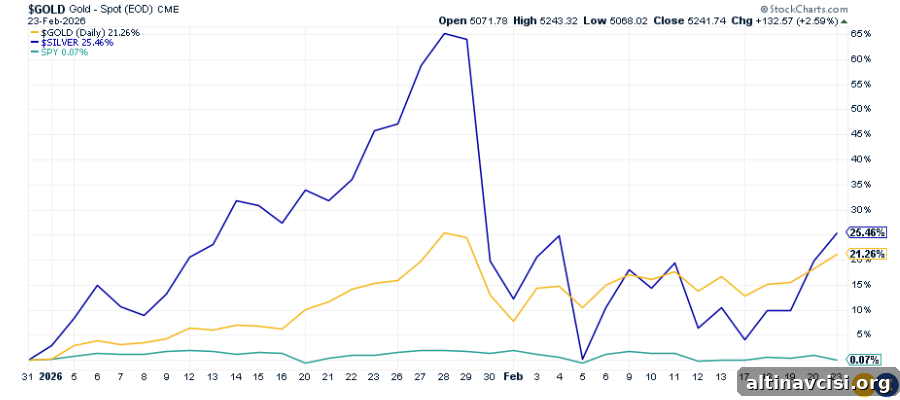
Yes, Silver Has Been Volatile. Here’s What the Numbers Actually Show.
Recent swings in silver have felt sharp, which is expected: silver historically amplifies gold’s moves because of its smaller market and larger industrial footprint. Headlines about shifting interest-rate expectations, commentary on industrial demand (including electric vehicles and renewable energy), and speculative flows tied to AI-related metals chatter have all contributed to heightened price variability.
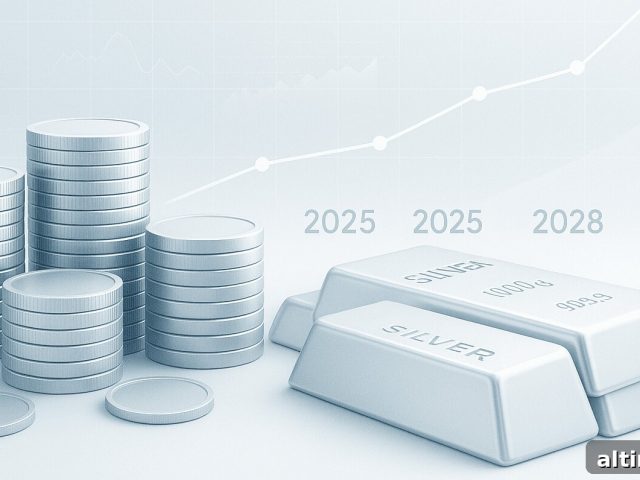
Volatility doesn’t mean the market is broken. Even after those turbulent sessions, silver remains up roughly 25% year-to-date, outperforming most major assets and even outpacing gold over the same period. That outperformance underscores silver’s dual role as both an industrial commodity and a precious metal hedge. When trends favor safe-haven buying and when industrial demand holds up, silver’s gains can be significant — but they come with wider intraday ranges.
Putting the numbers in perspective: gold is higher by about 21% while silver is up roughly 25% year-to-date, compared with the S&P 500, which is essentially flat on the year. For investors focused on portfolio diversification and inflation protection, the metals’ relative strength so far in 2026 is notable.

The Edge Every Investor Needs
Smarter precious metals investing starts here. The Nuggets Newsletter delivers market insights, Fed updates, trend analysis, and practical education for investors in gold and silver.
Strategic Metals Reserve Could Fuel Price Volatility
Washington is considering a major industrial policy move. A newly proposed $12 billion initiative, referred to as “Project Vault,” would create a Strategic Critical Minerals Reserve to strengthen domestic access to essential industrial metals. The plan aims to reduce reliance on foreign supply chains for materials that are critical to energy infrastructure, defense systems, and advanced manufacturing.
Analysts warn that while the reserve is framed as a national-security priority, large-scale government purchasing or stockpiling could have unintended market effects. In already tight markets, official demand can raise prices for copper, silver, rare earths, and other critical inputs. Those price increases would ripple across manufacturing and consumer sectors, potentially adding upward pressure to inflation and complicating the Federal Reserve’s policy choices.
Historically, when governments compete for limited supplies, prices often move sharply and quickly. For investors in tangible assets, that dynamic tends to favor commodities and metals — especially gold, which is commonly viewed as a hedge against price shocks and geopolitical risk.
Goldman Says AI Fears Are Boosting Asset-Heavy Stocks
Goldman Sachs strategists observe a rotation in investor preference away from some high-flying AI-focused technology names and toward “asset-heavy” companies with tangible balance sheets. After a powerful run driven by AI optimism, valuations of certain growth names are facing closer scrutiny. Investors are reallocating capital into sectors where business value rests on physical assets, predictable cash flows, and near-term earnings — categories that include industrials, energy producers, infrastructure firms, and materials companies.
This shift is a typical market reaction when a speculative narrative becomes crowded: investors begin to favor durability and visibility of income over distant, promise-based growth forecasts. Goldman’s analysis suggests the AI theme remains relevant, but the market now demands demonstrable revenue and margin improvement rather than theoretical upside.
If this rotation continues, commodity-linked sectors and companies with direct exposure to hard assets could see renewed investor interest, particularly if tech-sector volatility persists.
Is AI Coming for Wall Street’s Margins?
Equities in financials and payments suffered meaningful declines after a research note raised the possibility that rapid AI adoption could compress fee-based revenue streams across the industry. Stocks such as payment networks and major banks saw sharp intraday moves as investors began to price in the prospect of lower transaction and processing costs — and the potential for long-term margin pressure.
While AI has been widely discussed as a growth catalyst for technology companies, its disruptive potential extends to established industries where high fees and process frictions have historically supported profitability. If AI-driven automation and efficiency gains significantly reduce those frictions, traditional financial firms could face structural revenue challenges rather than isolated short-term impacts.
For metals investors, the broader implication is that market and macro shifts driven by technology, policy, and geopolitics will continue to shape demand for both industrial and precious metals. Monitoring these cross-currents is essential for understanding where metal prices may go next.
You May Also Like
- Gold Hits $5,000. Is This the Next Leg Higher?
- Gold Support Levels Firm as Washington Backs Minerals
- Gold Slips Below $5K as Jobs Revisions Rattle Markets
- Gold Near $5,000 as Fed Faces Sticky Inflation
- Markets Eye Friday’s CPI, Credit Card Debt Hits Record High
Stay On Top of Gold & Silver Prices
Get important market alerts sent straight to your inbox.
Popular Topics
Picked from the archive
-
01
 Topics
Reuters Poll: Flight to Safety Boosts Gold and Silver Forecasts
-
02
Topics
Silver Pauses After 100% Rally as Gold Traders Watch Fed
-
03
Topics
Markets Flee Risk as US-Iran Tensions Lift Dollar, Push Oil
-
04
Topics
World Gold Council Says Gold Tariffs Unlikely but Possible
-
05
Topics
Why Big Banks Predict Gold Prices Over $6,000
-
06
Topics
Swiss Gold Exports Surge to the US Ahead of 39% Tariff
-
07
Topics
Gold Hits Five-Week High on Trade Uncertainty, Weak Dollar
-
08
Topics
Tariff Deadline Fears Push Gold Prices Up as Other Metals Slide