Swiss Gold Exports Surge to the US Ahead of 39% Tariff

Switzerland’s Exports to the US Rise Ahead of Unexpected 39% Tariff
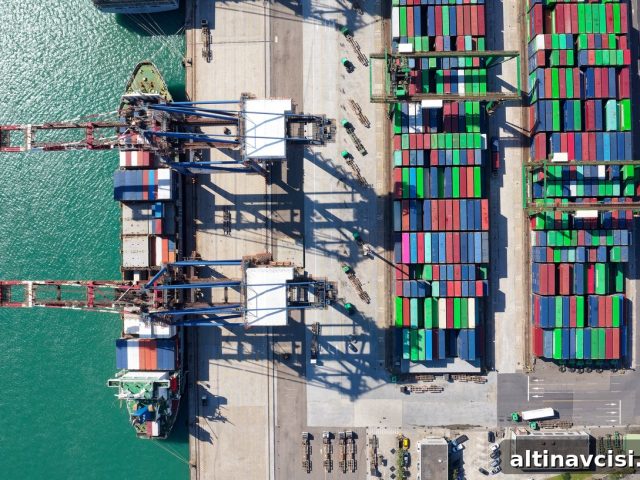
In July, Switzerland recorded a modest 1.1% increase in exports to the United States, driven primarily by a surge in gold shipments and a resurgence in Swiss watch exports. This uptick occurred just before the administration of President Trump announced a surprise 39% tariff on Swiss goods—the steepest levy imposed by a developed country at that time. The tariff targets a portion of Swiss exports and has sparked urgent negotiations and domestic responses in Switzerland.
Gold and Watches Propel July Growth
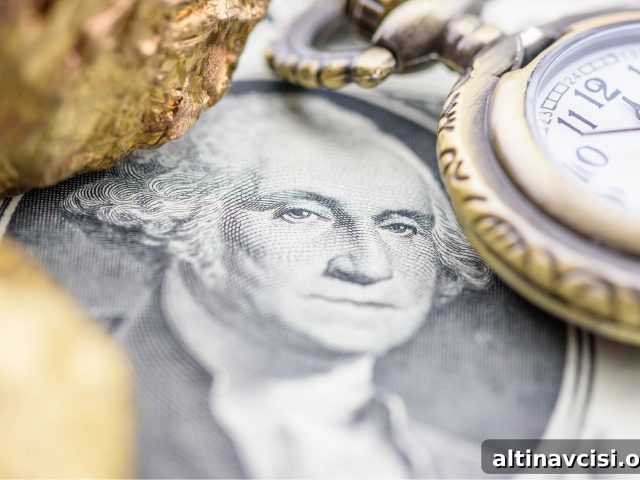
Gold exports from Switzerland climbed to their highest monthly level since March, reinforcing the country’s status as a global gold-refining hub. Switzerland’s role in refining and re-exporting precious metals has long been central to its trade profile, and the recent spike in gold shipments significantly influenced overall export figures for July. At the same time, Swiss watch exports returned to growth after a period of slower demand, with much of that recovery attributed to increased purchases from the United States.
Scope and Immediate Impact of the 39% Tariff
The newly announced tariff affects roughly 10% of Switzerland’s exports to the US. It weighs especially heavily on sectors that rely on machinery and advanced technological components, while some categories, such as medicines, have so far been exempted. The exemption for pharmaceuticals remains temporary and has become a key concern for Swiss exporters because medicines account for a large share of overall Swiss shipments to America.
Economic and Political Reactions
Swiss authorities reacted quickly, opening urgent talks with Washington in an effort to reduce or remove the levy. At the same time, policymakers in Switzerland have begun exploring domestic measures to absorb or offset the tariff’s effects, including initiatives to reduce production costs and improve competitiveness for affected industries. Business groups and trade analysts have been monitoring developments closely, given the potential for broader consequences if tariff measures expand.
The Importance of Gold to Switzerland’s Trade Balance
Gold’s contribution to the trade relationship between Switzerland and the United States is significant. In the first quarter, gold exports were valued at over $36 billion, and they accounted for roughly two-thirds of Switzerland’s trade surplus with the US during that period. This concentration underscores how shifts in the precious metals market or trade policy can disproportionately affect national trade balances and diplomatic negotiations.
Why a Wider Toll Is Feared
Although the current tariff does not cover pharmaceuticals, analysts warn that any extension of levies to medicines could have serious implications. Pharmaceuticals account for nearly half of Swiss exports to the United States. A broadening of tariffs to that category would increase pressure on Switzerland’s export-dependent economy and could lead to deeper diplomatic friction. At present, however, the consensus among many observers is that while the tariff is severe, it is unlikely to push Switzerland into a recession in the short term.
Outlook and Next Steps
Switzerland’s immediate priorities are clear: secure reductions or exemptions through diplomatic channels, implement measures at home to mitigate rising costs for exporters, and monitor demand trends—especially in the US market for watches and precious metals. Business leaders and officials are watching negotiations closely and preparing contingency plans should the tariff regime expand or persist. The coming months will be critical in determining whether bilateral trade will adjust to the new barrier or whether further policy shifts will be required to stabilize Switzerland’s export sector.
Overall, July’s export rise highlighted both the resilience and the vulnerability of Switzerland’s trade relationship with the United States. While gold and watch shipments provided near-term support, the unexpected 39% tariff serves as a reminder of how quickly trade dynamics can shift and how dependent certain sectors remain on open, predictable access to key markets.
Popular Topics
Picked from the archive
-
01
 Topics
Fed’s Williams: Inflation Rising as Tariff Impact Begins
-
02
Topics
Gold, Silver Prices Hold Steady Ahead of Jackson Hole Summit
-
03
Topics
Gold Falls to One-Week Low as Trade Talks Enter Final Days
-
04
Topics
80 Tons a Month: Central Banks’ Gold Buying Signals Dollar Doubt
-
05
Topics
Gold Prices Hold at 3,349 Amid Trade Tensions and Jobs Data
-
06
Topics
Study Finds 1 in 4 Americans Are Functionally Unemployed
-
07
Topics
Japan-U.S. Trade Talks Stall Ahead of July 9 Tariff Deadline
-
08
Topics
OPEC Plus Surge Drops Oil Prices 1.2% Despite Russia Sanctions