
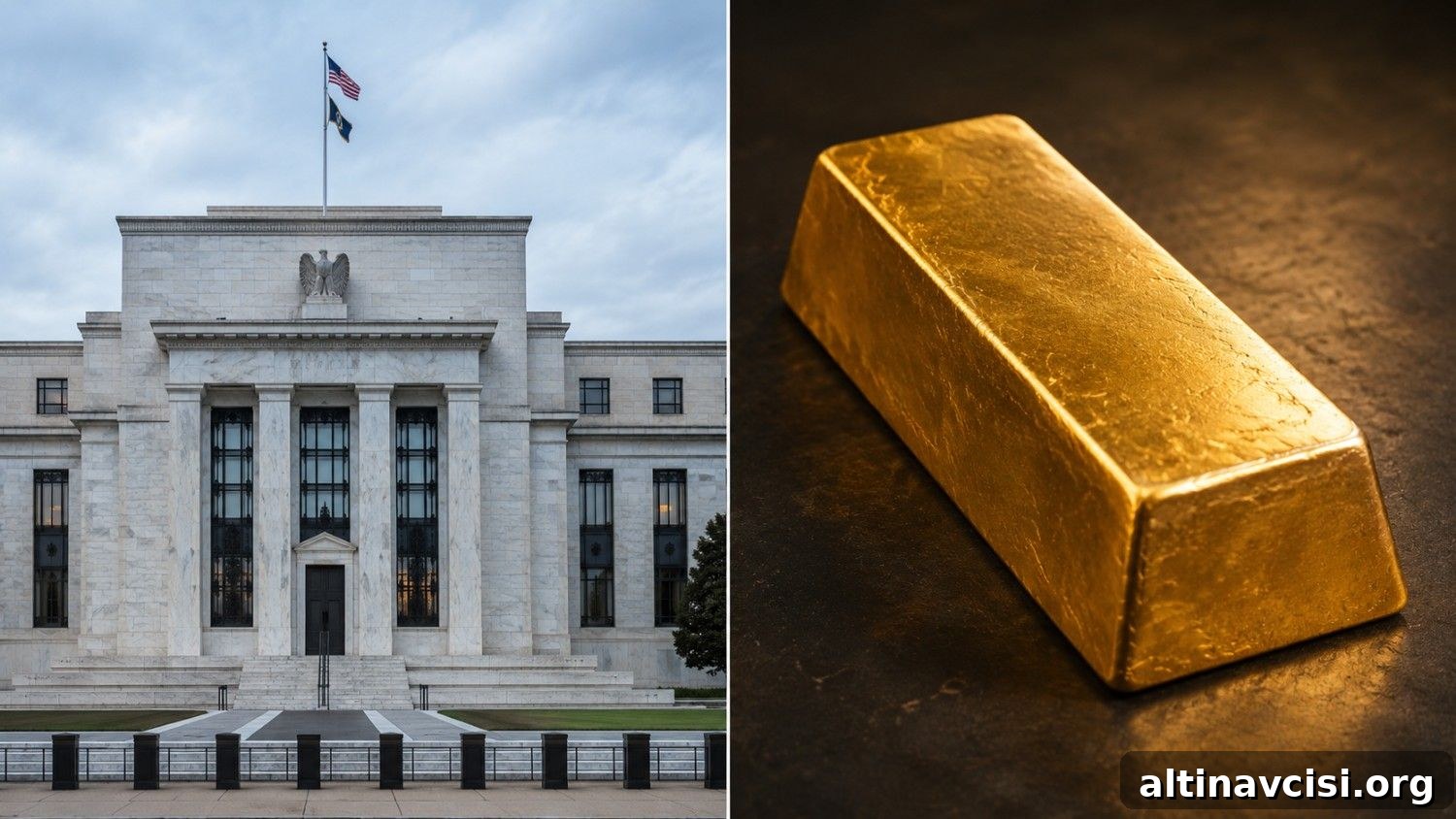
Gold eased about 0.3% on Monday morning after delivering its strongest weekly advance since January. The metal climbed more than 7% last week after July’s jobs report surprised sharply to the downside, which reduced the market’s odds of a September Federal Reserve rate increase. All eyes now turn to Wednesday’s Consumer Price Index release, which could either cement the Fed’s ability to hold rates steady or reignite expectations for another hike before the end of the year.
What Did the Jobs Report Do to Gold?
Source: goldsilver.com/price-charts. Approximate daily closes for trend illustration.
July nonfarm payrolls came in at −23,000, a surprisingly negative result from the Bureau of Labor Statistics that contrasted with the consensus forecast of roughly +80,000. May and June payrolls were revised downward by a combined 103,000, indicating the labor market had already softened before last Friday’s report. That surprise triggered a sharp reassessment of Fed policy odds: traders trimmed the probability of a September rate hike dramatically, and that swing in expectations pushed Treasury yields and the U.S. dollar lower — a positive backdrop for gold.
The mechanism is straightforward: weaker jobs data reduces pressure on the Fed to tighten policy, which lowers real yields and weakens the dollar. Gold typically benefits when yields and the greenback fall because its opportunity cost declines and its appeal as an alternative store of value increases. Over five sessions last week, that re-pricing boosted gold by more than 7%.
Before the payrolls print, markets placed roughly a 55% chance on a September Fed hike, according to CME Group’s FedWatch. By Monday morning that probability had dropped to about 40%, a swing of roughly 15 percentage points driven largely by a single jobs release. The fed funds target remains at 3.50–3.75% and the possibility of a September hike still exists, but the market now favors a hold in light of softer labor-market signs.
The Edge Every Investor Needs
Smarter precious metals investing starts here. The Nuggets Newsletter brings you essential market insights, Fed updates, global trends, educational videos, and much more.
Why Does Wednesday’s CPI Report Determine What Comes Next?
The U.S. Consumer Price Index for July, scheduled for release on Wednesday, is the next major data point that could shape monetary-policy expectations. Consensus polling ahead of the release suggested headline CPI around 3.4% year‑over‑year (down slightly from 3.5% in June) and core CPI near 2.5% (versus 2.6%). Those are only forecasts—actual outcomes will drive immediate market reactions.
If CPI is at or below consensus: The argument for a September rate increase weakens. Lower-than-expected inflation would likely push yields and the dollar down further, supporting gold’s recent breakout above $4,300 and pointing toward the next resistance area near $4,375 that several analysts are watching. Combined with a cooling labor market, softer inflation gives the Fed room to hold policy steady, which typically benefits the precious metals complex.
If CPI surprises to the upside: Expectations for another rate hike would rebound, driving real yields and the dollar higher. Under that scenario, gold could struggle to hold the $4,300 area and could give back a portion of last week’s gains as investors price in tighter policy.
How Does Iran’s Refusal to Negotiate Complicate the Inflation Picture?
Recent comments from Iran’s foreign ministry indicate Tehran is not currently entering direct talks with the United States over the Strait of Hormuz, and Iran has denied any obligation to negotiate under U.S. pressure. Those tensions contributed to a jump in Brent crude, which rose roughly 1.4% to the mid-$80s per barrel range early Monday.
Energy costs influence CPI with a lag. A notable drop in energy prices in June was a key factor behind the sharp monthly CPI decline observed that month. If oil prices remain elevated through August because of renewed regional risk, that disinflationary tailwind may not reappear in the July CPI print. That matters because the Fed could then face the awkward combination of a weakening labor market alongside sticky or higher energy-driven inflation.
That combination creates a policy dilemma: cutting rates to support jobs risks reigniting inflation, while raising or keeping rates high to fight inflation adds stress to employment. Those conflicting pressures can increase volatility in markets and create an environment where safe-haven assets such as gold can appeal to investors concerned about both growth and price stability.
What Is the Structural Floor Under Gold Right Now?
Beyond short-term swings tied to jobs and monthly inflation prints, a longer-term structural force supports gold: central-bank demand. In the second quarter of 2026, official institutions purchased a record net amount of gold—roughly 288.9 tonnes, a year‑over‑year increase of about 62%—according to the World Gold Council. Central banks are reallocating reserves for reasons that include diversification away from dollar concentration, geopolitical risk management, and concerns about currency debasement.
These reserve-management decisions are not driven by any single month’s CPI figure. Instead, they reflect strategic, long-term shifts in how sovereigns position assets, and that steady buying provides a structural support beneath prices. Even if a single CPI release triggers near-term volatility, persistent central-bank purchases and the broader macro trade-off the Fed faces between inflation and employment reinforce gold’s role as a portfolio diversifier over the medium to long term.
In short, Wednesday’s CPI will influence gold’s near-term direction, but it does not change the structural backdrop that has supported sustained central-bank demand and a compelling case for gold as a hedge in the current policy environment.
Stay On Top of Gold & Silver Prices
Get important market alerts sent straight to your inbox.
SOURCES
1. Bureau of Labor Statistics — The Employment Situation, July 2026
2. CME Group — FedWatch Tool, September 2026 Meeting Probabilities
3. Reuters coverage via major outlets — reporting on gold, inflation, and oil markets, August 2026
4. World Gold Council — Gold Demand Trends Q2 2026
Disclaimer: This article is for informational purposes only and does not constitute investment advice. Past performance is not indicative of future results. Always consult a qualified financial advisor before making investment decisions.
You May Also Like:
- Gold Just Climbed to a 7‑Week High. One Number Changed Everything.
- The Jobs Report Did What Iran Couldn’t: Move Gold and the Fed in the Same Direction
- China Has Been Buying Gold for 20 Straight Months. Now It’s Moving It.
- Trump’s Polysilicon Tariff Just Hit Silver’s Biggest Industrial Customer
- Gold Rallied 6% This Week. Tomorrow One Number Decides Whether It Holds.
- Why Is Silver Outperforming Gold? A Six‑Year Deficit
- Hormuz. ISM. Hecla. Barrick. Five Things Moved Gold and Silver Today.