Could Solid-State Batteries Give Silver a Tesla Moment?

Key Takeaways
- Solid-state batteries require roughly 1 kilogram (about 32 troy ounces) of silver per battery pack, versus roughly 25–50 grams in a conventional EV battery; there is currently no cost-competitive substitute for silver in electrode interfaces and for large-scale thermal management.
- Silver experienced a structural supply deficit for four consecutive years through 2024 — the shortfall in 2024 alone was 148.9 million ounces. Widespread adoption of solid-state batteries would exacerbate this existing imbalance rather than create it.
- The lithium example is instructive: lithium surged after Tesla’s Battery Day because markets had not priced in the scale of EV demand. The solid-state battery silver story is similarly underpriced in today’s silver market.

Your Gold Buying Guide Most investors overpay when they buy gold and often overpay again when they sell. This guide explains what to own and why.
Sign up for the guide (form removed for clarity).
Why Do Solid-State Batteries Require So Much More Silver?
The reason isn’t immediately obvious, which helps explain why the silver impact is underpriced today.
Traditional lithium-ion batteries use a liquid electrolyte to transport ions between anode and cathode. In that architecture, silver plays a relatively small role — mostly in conductive inks and electrical contacts, totaling roughly 25–50 grams per vehicle.
Solid-state batteries replace the liquid electrolyte with a solid ceramic or polymer. That change creates two silver-intensive requirements.
First, electrode interfaces: the boundary between the solid electrolyte and the electrode is the most delicate and technically demanding area. Some leading designs use a silver-carbon composite at this interface to prevent degradation and maintain conductivity. For example, a published design calls for about 1 kilogram of silver per 100 kWh battery pack in the composite interlayer — a specification that, if adopted at scale, materially increases silver demand.
Second, thermal management: silver is the most thermally conductive common metal (approximately 429 W/(m·K)), surpassing copper. Solid electrolytes lack the heat-buffering behavior of liquid electrolytes, so silver-coated components and interfaces are used to disperse heat during fast charging and heavy loads. There is no obvious low-cost material that matches silver’s combined thermal and electrical performance at scale.
Put simply: solid-state batteries could require roughly 20 to 40 times more silver per vehicle than conventional EV packs. This is not speculative modeling — it derives from the specifications in current engineering designs.
Is Silver Already Running Out of Supply?
This critical context is often overlooked in discussions about silver demand for solid-state batteries.
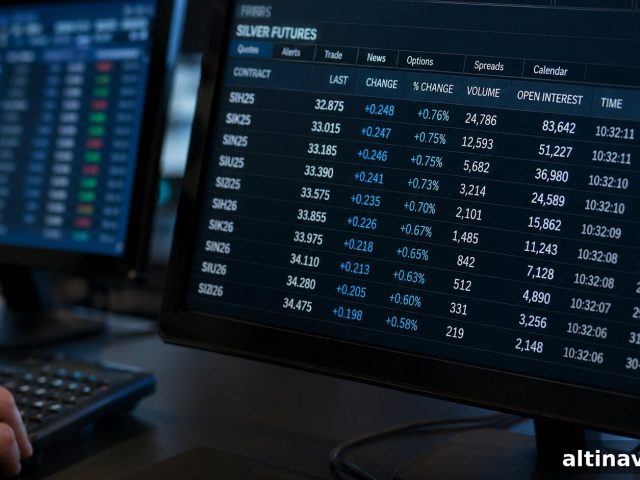
The World Silver Survey 2025 documents a fourth consecutive annual supply deficit in 2024. Total demand reached 1.16 billion ounces while supply was about 1.01 billion ounces, leaving a 148.9 million ounce shortfall. The cumulative deficit from 2021 through 2024 totaled about 678 million ounces — roughly ten months of current global mine production drawn from above-ground stocks.
Industrial demand has been a major driver. In 2024, industrial consumption reached a record level, led by solar photovoltaics, conventional EVs, and electronics.
On the supply side, roughly 70% of silver is mined as a byproduct of copper, zinc, and lead production. That makes silver production largely dependent on the economics of other metals; increasing silver output quickly in response to rising silver prices is difficult. As a result, forecasts at the time of the survey projected a continued deficit into 2025.
The key point: any silver demand from solid-state battery adoption would hit a market that is already structurally short.
Is Solid-State Battery Commercialization Actually Happening?
The honest answer: development is closer than at any prior point, but commercialization is not yet guaranteed.
Battery breakthroughs often face recurring delays because scaling lab results into high-volume, low-cost production remains technically difficult. Major challenges include mass manufacturing, interface stability over many cycles, and unit cost.
However, several major manufacturers and partners have announced production targets and pilot lines. Some companies have reported prototype validation and volume licensing agreements. These developments suggest that modest commercial volumes by the late 2020s are plausible, though timelines can still slip.
Even at modest penetration, the silver impact is notable. For example, if 5% of a 25 million annual EV production becomes solid-state by 2028 and each pack uses about 32 troy ounces of silver, that converts to roughly 40 million ounces of new annual silver demand — a substantial portion of the existing annual deficit.
What Does the Lithium Rally Actually Tell Us?
The lithium price surge following Tesla’s Battery Day illustrates how markets can fail to price in a major structural demand shift until it is public and accelerating. Before that event, lithium prices were comparatively muted; once large-scale EV commitments became apparent, prices rose sharply.
Silver has already revalued from pandemic-era lows, reflecting the solar boom, conventional EV growth, and multi-year deficits. But the potential incremental demand from solid-state batteries is not yet widely embedded in silver’s price. That creates an asymmetric opportunity: if solid-state adoption follows current development paths, the additional demand would arrive into an already tight market.
One important difference: lithium’s price is almost purely industrial, while silver’s price responds to three overlapping factors — industrial consumption, monetary demand, and inventory dynamics. As a result, silver’s market reaction to a solid-state catalyst may be more complex and gradual than lithium’s rapid spike. Still, the solid-state battery thesis is additive to an already supportive structural story for silver.
What Does the Mainstream Analysis Get Wrong?
A common takeaway is that solid-state batteries are merely a future demand catalyst. That’s true, but it misses the more important nuance: silver’s current valuation already incorporates several years of deficits and record industrial use. What the market has not fully priced in is the arrival of a new, substantial industrial demand stream landing on a market already drawing down inventories by nearly 150 million ounces per year.
Silver was formally designated a U.S. critical mineral in 2025, recognized as important for economic and national security and vulnerable to supply disruptions. That status adds a strategic dimension to silver’s profile beyond its monetary and industrial roles.
Because solid-state technology has not yet shipped at scale, its potential demand remains underweighted in mainstream analysis. By the time it becomes a consensus narrative, physical supply may already be tightening. The opportunity to assess and position for this scenario is therefore sooner rather than later.
Stay On Top of Gold & Silver Prices
Get timely market alerts delivered to your inbox (sign-up option removed for clarity).
People Also Ask
How much silver does a solid-state battery use compared to a regular EV battery?
Leading solid-state battery architectures call for roughly 1 kilogram (about 32 troy ounces) of silver per 100 kWh pack, mostly in an engineered silver-carbon composite layer. By contrast, a conventional lithium-ion EV battery typically contains about 25–50 grams of silver in conductive inks and contacts — a gap of roughly 20 to 40 times more silver per vehicle in solid-state designs.
Why is silver used in solid-state batteries?
Two reasons dominate: interface stability and thermal management. Silver-based interlayers help stabilize the contact between solid electrolyte and electrode, reducing degradation. Silver also offers the highest thermal conductivity among commonly used metals, aiding heat dispersion in cells that lack a liquid heat buffer.
Is there already a silver supply deficit?
Yes. The World Silver Survey reported a fourth consecutive annual deficit in 2024, with demand exceeding supply by about 148.9 million ounces. The cumulative deficit over four years totaled roughly 678 million ounces, and forecasts at the time projected continued shortfalls.
When will solid-state batteries be in commercial EVs?
Major programs and partnerships have set targets for initial commercial volumes in the late 2020s. Some companies have received production approvals, launched pilot lines, or signed volume licensing deals. Early volumes will likely concentrate in premium segments, with broader adoption expected later in the decade.
Does the solid-state battery thesis change the case for owning physical silver?
It strengthens the existing case rather than replacing it. Silver already faces structural deficits, strong industrial demand, and strategic recognition. Solid-state battery commercialization would add another significant industrial demand driver to that framework.
So What Should Silver Investors Actually Do?
This thesis is not about precise timing; it is about asymmetry. Consider two scenarios:
- Bull case: Solid-state batteries commercialize on current timelines, adding tens of millions of ounces of annual demand to an already short market. That would deepen the structural deficit at a time when monetary demand is elevated.
- Bear case: Timelines slip by several years. Even so, industrial demand from solar and conventional EVs continues to grow, and supply remains constrained. The structural case for silver remains intact without immediate SSB adoption.
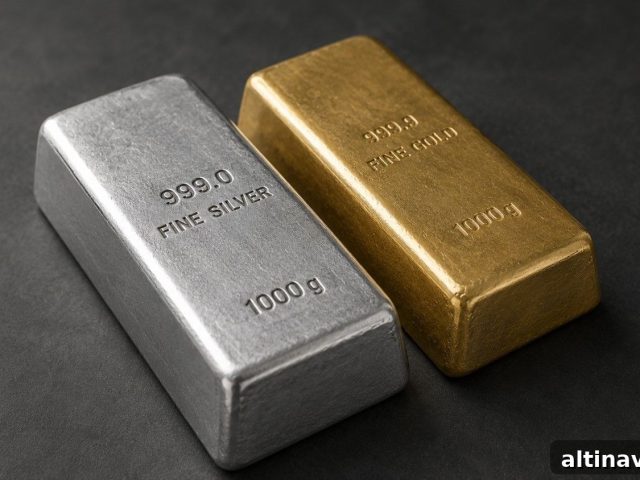
A position in allocated physical silver captures both outcomes: it benefits if solid-state batteries accelerate demand and retains value if adoption is slower. The SSB story functions as an optional upside to a position already supported by deficits, industrial consumption, and strategic designation.
If you are considering adding physical silver to a portfolio, evaluate allocated holdings and storage arrangements that align with your risk profile and investment horizon.
SOURCES
1. World Silver Survey 2025 — World Silver Survey (Silver Institute).
2. Silver industrial demand reports and press notices (industry summaries).
3. Company announcements and newsroom releases from major battery developers describing solid-state prototypes and production plans.
4. Technical and market reports on battery materials and metal supply dynamics.
5. U.S. Geological Survey and Department of the Interior assessments of critical minerals.
Disclaimer: This article is for informational and educational purposes only. It does not constitute investment advice. Consult a qualified financial adviser before making any investment decisions.
You may also like:
- Physical Gold vs. Digital Gold: Which Is the Ultimate Safe Haven?
- BRICS Is Hoarding Gold. Here’s What It Means for Your Portfolio.
- Gold to Oil Ratio: The Ultimate Guide for Economic & Portfolio Analysis
- Dollar-Cost Averaging Into Gold and Silver: The Investor’s Practical Guide
- The Silver-to-Dow Ratio: How to Spot the Shift from Paper to Physical
- What Moves Gold Prices? Six Key Factors Explained
- World Bank: Precious Metals Outlook
- Silver Price Outlook: Market Context and Considerations
Popular Topics
Picked from the archive
-
01
 Topics
How Oil, PMI, and Newmont Are Driving Gold Prices
-
02
Topics
Morgan Stanley Predicts Gold Price at $4,800 While Silver Lags
-
03
Topics
COMEX Silver First Notice Day: Key Events to Watch April 30
-
04
Topics
JPMorgan Predicts $6,300 Gold Price After Historic Crash
-
05
Topics
Tariff Uncertainty and Fed Outlook Keep Gold Prices Volatile
-
06
Topics
Silver Up 3% vs Gold 1.3%: What the Gold-Silver Ratio Means
-
07
Topics
Major Banks Now Converge on 2026 Gold Price Near $4,500
-
08
Topics
Gold Price Today: Why This Week Could Spark a Rally