BRICS Gold Buying Surge: What It Means for Your Portfolio
Key Takeaways
- Focus on the mechanism, not the headline: BRICS gold purchases matter because they reduce marginal demand for US Treasuries, gradually weakening the dollar’s reserve role and eroding the purchasing power of dollar savings.
- Prefer physical metal to paper claims: Physical gold and silver are the best hedges against long-term dollar debasement. ETFs and futures carry counterparty risk when you need them most.
- Act early: Central banks are accumulating gold now. Positioning while the shift is still dismissed offers a better entry than waiting for a headline event.
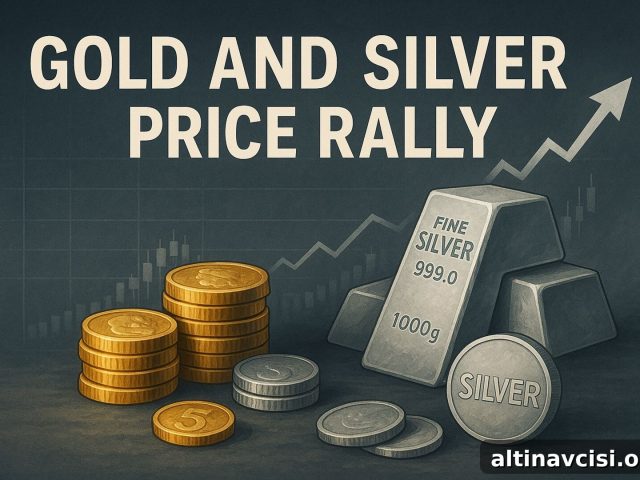
- Silver as complement: Silver shares gold’s monetary qualities but usually shows higher volatility and a lower cost per ounce, making it a sensible complement to a gold core holding.
Your Gold Buying Guide Most investors pay too much to buy and sell gold. This guide explains exactly what to own and why.
What’s Actually Driving the BRICS Gold Accumulation?
Start with the structural fact: the global monetary system has long been anchored by the US dollar as the primary reserve currency. Trade is frequently invoiced in dollars and many central banks hold dollar-denominated assets—especially US Treasuries—to back their foreign exchange reserves. That arrangement gives the United States an unusual fiscal advantage: it can run persistent deficits and borrow at scale while exporting some inflation globally.
BRICS and allied countries have been building systems that reduce dependence on dollar-denominated reserves. The expanded BRICS grouping now includes the original members—Brazil, Russia, India, China, and South Africa—plus several new members added in recent years. These nations have created alternative payment channels, increased bilateral settlements in local currencies, and, importantly, systematically accumulated physical gold at the central-bank level.
Central-bank gold purchases have reached levels not seen in recent memory. Major buyers have steadily increased official holdings, and several large emerging market central banks accelerated purchases after geopolitical events highlighted the vulnerability of dollar-based assets. A key driver is straightforward: gold, when held physically, cannot be frozen or directly sanctioned. That makes it an attractive reserve asset for countries seeking independence from the dollar-based financial architecture.
Does a Gold-Backed Currency Need to Succeed for This to Matter?
No. The important point is not whether a fully fledged gold-backed BRICS currency becomes the next global reserve. What matters is that a credible gold-linked settlement option reduces the need for trading partners to hold US Treasuries.
If major commodity or trade partners agree to settle transactions in an alternative unit partly backed by gold—or simply settle more frequently in local currencies—then marginal demand for dollar assets falls. That shift doesn’t cause an instant collapse of the dollar. Rather, it gradually tightens the conditions that have allowed the United States to borrow cheaply for decades. Over time, that can add upward pressure to prices and erode the purchasing power of dollar savings.
Why Hasn’t Your Financial Advisor Mentioned Any of This?
Many advisers operate inside a system that centers on dollar-based markets. Fee models, product menus, and compliance norms typically favor conventional, dollar-denominated investments. Recommending a material allocation to assets outside that system—such as physical precious metals—can be uncomfortable or impractical for many advisors. That reflects incentives and industry structure more than a denial of the economic logic.
A practical response is not to abandon conventional assets but to add an insurance layer: allocated physical gold and silver held outright or in your name. This reduces counterparty exposure and places a portion of wealth entirely outside the banking and settlement networks vulnerable to geopolitical pressure.
How Should You Actually Position for This?
Step 1: Clarify the hedge. This is a long-term structural hedge against a gradual decline in the dollar’s purchasing power relative to hard assets. It is not primarily a short-term crash hedge, although precious metals often perform during crises.
Step 2: Own the metal, not the contract. Physical gold and silver differ from ETFs, futures, or other paper exposures. Those products are financial claims and carry counterparty and custody risk. If you are hedging against systemic monetary stress, physical metal—held allocated and in your name—removes those dependencies.
Step 3: Size for a multi-decade thesis. Traditional guidance suggests 5–10% in precious metals for diversification. Given accelerating central-bank buying and growing coordination among major emerging economies, a combined 10–15% allocation to physical gold and silver can be considered by investors who prioritize long-term protection against dollar debasement. The exact allocation depends on your risk tolerance, time horizon, and existing exposure to dollar assets.
Step 4: Move before the headline. Central banks are accumulating reserves now, not after an official currency launch. The most favourable window to build positions is while mainstream coverage treats the story as political noise rather than a strategic shift in reserves and settlement practices.
Where Does Silver Fit?
Gold dominates conversations about reserve diversification because central banks buy it at scale. Silver, however, is accessible to individual investors and shares many monetary attributes: scarcity, durability, and zero counterparty risk when held physically. The gold-to-silver ratio is near long-run averages, making silver relatively cheaper per ounce and offering higher percentage upside—not without greater volatility.
Additionally, silver benefits from growing industrial demand in sectors like solar energy, electric vehicles, and electronics. That industrial floor can support prices over time, reinforcing silver’s role as a complement to gold. Practically, many investors use gold as the portfolio anchor and silver as a higher-volatility, higher-upside complement.
Stay On Top of Gold & Silver Prices
Receive timely market alerts and updates delivered to your inbox.
People Also Ask
Is a BRICS gold-backed currency actually going to happen?
A fully gold-backed BRICS reserve currency is unlikely in the immediate future because member nations have different economic priorities and no single monetary authority. That said, the infrastructure for de-dollarization—alternative payment systems, local-currency settlements, and rising central-bank gold reserves—is already in place. The existence of these options is enough to reduce marginal demand for dollar assets.
Why are central banks buying so much gold right now?
The acceleration in purchases followed geopolitical events that exposed the vulnerability of dollar- and bank-based reserves. When states saw that foreign exchange assets could be frozen or restricted, the appeal of physically held, non-fungible reserves like gold grew. Central banks have been net buyers for more than a decade, and the pace increased markedly in recent years.
Does the dollar losing reserve status mean it will collapse?
No. The dollar’s decline as a share of global reserves is a slow process, not a sudden collapse. Historically, shifts in reserve composition take years or decades. The central risk is a gradual erosion of purchasing power and a higher cost of borrowing for the issuing government, not an immediate collapse of the currency.
What is the difference between physical gold and a gold ETF?
A gold ETF is a financial instrument that tracks the price of gold and represents ownership of fund shares, not the metal itself. Physical gold—whether stored in allocated vaults in your name or held personally—removes counterparty exposure. In normal markets the difference may seem small, but under monetary stress the distinction can become critical.
How much of my portfolio should be in gold and silver?
Conventional advice often recommends 5–10% in precious metals. For investors concerned about long-term dollar debasement, 10–15% in physical gold and silver combined is a defensible allocation. The correct percentage depends on individual goals, risk tolerance, and existing exposure to dollar-denominated assets.
The Signal the Market Is Sending
The BRICS gold story is less a debate about a single new currency and more a signal about reserve strategy. Central banks representing a large share of global economic activity are reducing exposure to dollar assets and increasing holdings of physical gold. They are effectively voting with their reserves.
You do not need to believe a BRICS alternative will replace the dollar to take this signal seriously. The trend matters because it changes the marginal economics of dollar demand, and an asset that has preserved value through prior monetary transitions merits consideration in diversified portfolios.
SOURCES
1. World Gold Council — 2024 Central Bank Gold Reserves Survey
2. World Gold Council — Gold Demand Trends Full Year 2023: Central Banks
3. IMF — Currency Composition of Official Foreign Exchange Reserves (COFER)
4. Federal Reserve — The International Role of the U.S. Dollar, 2025 Edition
5. Bloomberg reporting on central-bank gold purchases, December 2024–2025
6. Business reports on central-bank repatriation of reserves and official purchases
7. BRICS official information on group membership and objectives
8. Industry analysis on the gold–silver ratio and implications for investors
Disclaimer: This article is for informational and educational purposes only. It does not constitute investment advice. Consult a qualified financial adviser before making investment decisions.
You may also like:
- Gold to Oil Ratio: The Ultimate Guide for Economic & Portfolio Analysis
- Dollar-Cost Averaging Into Gold and Silver: The Investor’s Practical Guide
- The Silver-to-Dow Ratio: How to Spot the Shift from Paper to Physical
- What Moves Gold Prices? Six Key Factors Explained
- World Bank: Precious Metals Outlook and Market Context
- Silver Price Outlook and Long-Term Perspective
- Dollar Dominance Is Fading — Gold and Silver Are Paying Attention
- Home Storage and Vault Options for Physical Precious Metals
Popular Topics
Picked from the archive
-
01
 Topics
5 Factors Driving Gold and Silver Prices Higher
-
02
Topics
US Treasury Yields Rise Ahead of Major Bond Auction
-
03
Topics
Gold Price Volatility Back to COVID-Era Levels
-
04
Topics
Gold Price Nears $3,700 Ahead of Fed Meeting
-
05
Topics
CPI 3.3% and GDP Stalling: Is 2026 Stagflation Coming?
-
06
Topics
Dollar Drops as Markets Price In Fed Cuts; Tariff Fears Rise
-
07
Topics
Why Turkey Sold Its Gold and What It Means for Sound Money
-
08
Topics
Gold Price Forecast: Oil Futures Diverge From Stocks