Gold Price Volatility Back to COVID-Era Levels
🌅 Morning News Nuggets | Today’s top stories for gold and silver investors
April 2nd, 2026 | Brandon Sauerwein, Editor
Gold price volatility has climbed to levels not seen since the COVID-era panic as the Iran war moves into its sixth week with no clear end in sight.
What Happened Yesterday
Precious metals rallied Wednesday as market participants interpreted diplomatic signals and data as potential signs the Iran conflict could de-escalate. Oil slid below $100 a barrel, and many Asian equity indexes enjoyed their best session in months, driven by optimism that hostilities might ease. Gold and silver climbed on that safe-haven bid.
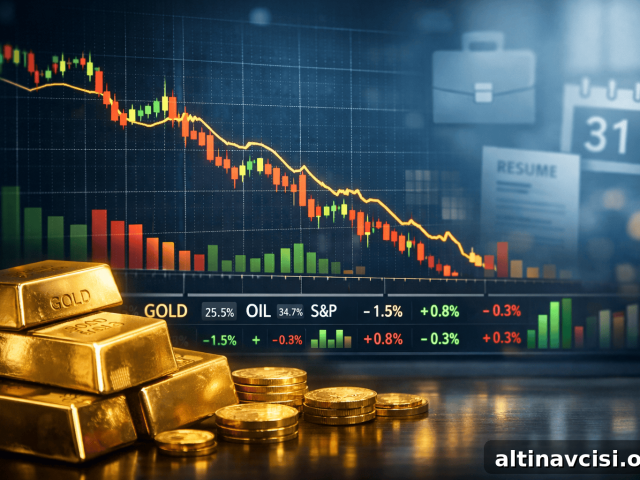
Late in the evening, President Trump delivered a national address. By Thursday morning, those gains had reversed: gold was down roughly 3.3%, near $4,600 per ounce, while silver fell about 6% to $70.66 — a sharp intraday reversal that highlights how quickly geopolitical sentiment can swing.
Gold Volatility Surges to Crisis Levels
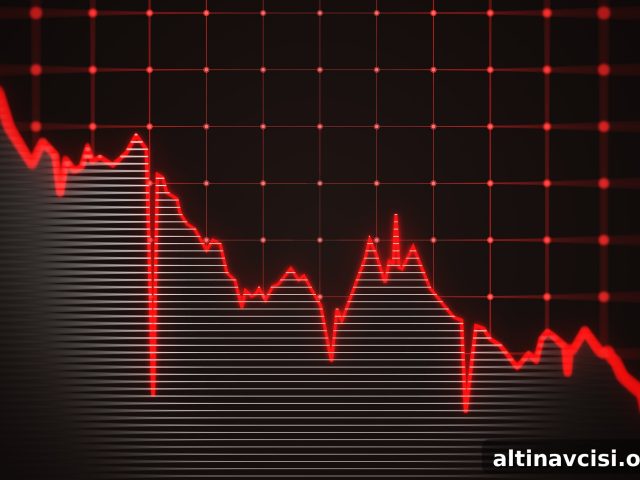
The CBOE Gold Volatility Index (GVZ) — the market’s preferred gauge of near-term expected swings in gold — spiked above 36 on recent closes, its highest level since the COVID-era market panic. The GVZ measures 30‑day implied volatility derived from options activity and reflects how uncertain traders are about the metal’s short-term path. Elevated GVZ readings mean two-way risk: large moves up or down are both more likely.
Market Volatility
CBOE Gold Volatility Index (GVZ)
Daily closing values • Jan 2020 – Apr 2026
Latest — Apr 1, 2026
GVZ Daily Close
The last time gold exhibited comparable volatility, markets were responding to a global shutdown and emergency policy measures. Today the backdrop is different — but the signal is the same: investors are uncertain how to price the next phase of this crisis. That uncertainty shows up as sharp, two-sided moves rather than steady trends.
This price action doesn’t mean gold is failing; it means gold is correctly reflecting a world where war outcomes are unclear, energy prices are volatile, and central banks face conflicting signals between growth and price stability. Those conditions tend to keep volatility elevated for safe-haven assets.
What Trump Said Last Night
The White House billed the address as a major update, and markets anticipated either a ceasefire announcement or a clear escalation plan. Neither arrived. In roughly a 20-minute speech, President Trump reiterated that the campaign was “nearing completion,” claimed Iran’s military had been significantly degraded, and said U.S. objectives were largely met — but he offered no timeline, withdrawal plan, or new terms to end the conflict.
He did, however, outline harsher options. The administration said the U.S. would strike Iran “extremely hard” over the next two to three weeks if no resolution is reached, and warned that infrastructure targets, including electric generation and oil facilities, could be attacked if diplomacy failed. Those threats hardened expectations for a continued conflict and pushed markets to reprice risk.
Why Metals Are Falling Today
Rather than resolving uncertainty, the speech extended it. Without a credible, near-term path to de-escalation, the safe-haven demand that lifted metals on Wednesday faded. Traders began pricing the possibility of several more weeks of conflict; oil jumped nearly 4% after the address, and gold and silver reversed their gains in step.
Iran’s public statements also hardened the outlook. Tehran signaled it would continue to fight as long as U.S. and allied strikes persist, removing immediate hopes for a ceasefire. In that environment, geopolitical risk premiums can move quickly in either direction — the same forces that drove Wednesday’s rally caused Thursday’s sell-off when fresh information changed expectations.
What to Watch
The Strait of Hormuz remains the market’s pressure point. Iranian actions at the strait — reportedly stopping tankers and charging carriers as much as $2 million per passage — have direct implications for shipping costs and global oil supply. Any sustained disruption there immediately affects oil prices, which in turn influence inflation expectations and monetary policy considerations.
Higher energy costs ripple through transportation, manufacturing, and food production, driving the everyday inflation that consumers feel. If the Hormuz situation persists, the Federal Reserve could face the classic stagflation dilemma: slowing growth combined with rising prices and limited policy tools to address both simultaneously. That scenario supports continued elevated volatility in gold, regardless of the metal’s short-term direction.
Key takeaways for investors:
- Expect elevated two-way volatility in gold and silver while the Iran conflict remains unresolved.
- Monitor oil and shipping developments in the Strait of Hormuz — they are the most immediate drivers of commodity inflation and precious metals moves.
- Watch central bank communication: the Fed’s response to higher energy prices and slowing growth will be critical for metals markets.
Sources
NBC News — Iran war live updates
Al Jazeera — Trump’s primetime speech: key takeaways
CBS News — Trump primetime speech on Iran
NPR — Trump address on Iran war
The Washington Post — Iran war live updates
Investing.com — CBOE Gold Volatility Index historical data
This article is for informational purposes only and does not constitute financial or investment advice. Consult a qualified financial advisor before making investment decisions.
You May Also Like
- Gold Jumps 2% as Trump Plans Iran War Address Tonight
- Gold Is Rising Again. The Reason May Surprise You
- Gold +3%, Silver +7%: Metals Close Q1 With a Bang
Popular Topics
Picked from the archive
-
01
 Topics
Gold Price Tops $4,700 Amid Global Turmoil
-
02
Topics
Russian Central Bank Cuts Rates by 2% as Inflation Slows
-
03
Topics
Harvard 51B Endowment Sells Tech, Buys Gold and Crypto
-
04
Topics
Gold vs. Stocks 2026: Q1 Returns Investors Need to Know
-
05
Topics
Hormuz Crisis and Fed Policy: Markets Race to Gold and US Dollar
-
06
Topics
Silver Price Falls on Index Rebalancing Ahead of Jobs Report
-
07
Topics
Trump’s No-Tariff Pledge Calms Gold Prices
-
08
Topics
Gold Rally 2026: Why Prices Are Set to Rise