Dollar Drops as Markets Price In Fed Cuts; Tariff Fears Rise
U.S. Dollar Weakens as Traders Anticipate Federal Reserve Rate Cuts Amid Tariff Uncertainty
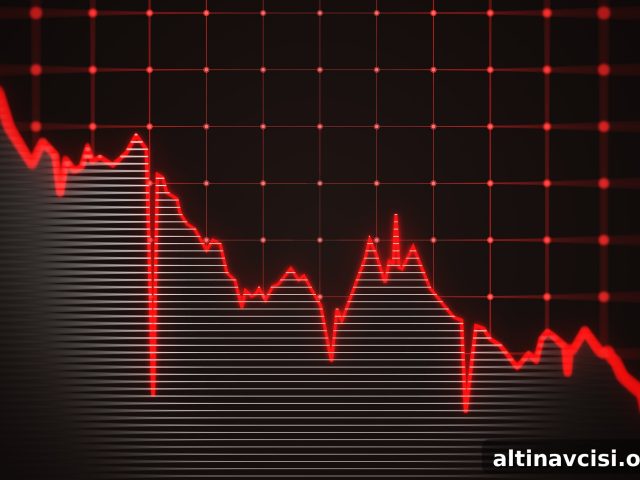
The U.S. dollar lost ground as investors and currency traders reacted to a combination of softer economic data and heightened political and policy uncertainty. Growing expectations that the Federal Reserve will cut interest rates, together with unresolved questions about recently imposed U.S. tariffs, pushed market sentiment toward a weaker dollar.
Market participants reacted sharply after a disappointing U.S. jobs report, which signaled slower-than-expected labor market momentum. In the wake of that data, traders rapidly increased the probability assigned to a September rate cut by the Federal Reserve, with pricing reflecting a 94.4% likelihood of such a move. That shift in expectations for monetary policy was a primary driver behind the dollar’s decline as lower anticipated interest rates typically reduce demand for a currency.
Beyond the economic data, political developments added to market unease. President Trump’s dismissal of a top statistics official and the resignation of Fed Governor Adriana Kugler stirred concerns about potential disruptions to the institutions that underpin economic measurement and monetary policymaking. These events, by introducing elements of uncertainty around data integrity and central bank governance, reinforced traders’ caution and amplified downward pressure on the dollar.
Together, the weaker jobs print and the political developments contributed to a reassessment of the Fed’s near-term policy path. When labor market indicators soften, investors often expect the central bank to respond by easing monetary policy to support growth. As a result, the heightened probability of a rate cut became a central theme in foreign exchange markets, influencing currency valuations and shifting capital flows away from the dollar into other assets.
Uncertainty surrounding U.S.-imposed tariffs also played a notable role in shaping market behavior. Tariff-related policy moves can affect trade flows, corporate margins, and economic growth expectations, all of which feed into currency markets. Ongoing ambiguity about the scope, implementation, and potential retaliation related to tariffs tends to increase risk aversion and volatility, further complicating the environment for the dollar.
In practical terms, a weaker dollar has mixed implications. For U.S. exporters, a softer currency can boost competitiveness by making American goods less expensive for foreign buyers. Conversely, an extended period of dollar weakness can raise import costs, exert inflationary pressures, and influence corporate earnings for companies reliant on imported inputs. Investors and policymakers will be watching how these dynamics unfold and how the Fed responds to incoming data and evolving risk factors.
Financial markets often react not just to single data points but to the interplay of economic indicators, policy expectations, and political stability. In this episode, the convergence of a disappointing jobs report, high market-implied odds of an imminent Fed rate cut, and notable personnel changes created a volatile backdrop. Traders adjusted positions quickly to reflect elevated uncertainty, and the dollar’s decline was a visible outcome of that recalibration.
Looking ahead, market attention is likely to remain focused on upcoming economic releases, any further developments around tariff policy, and statements from Federal Reserve officials. Each of these elements can shift expectations about the timing and magnitude of policy easing, thereby influencing the dollar’s trajectory. For now, the combination of softer jobs data and institutional disruptions has tilted sentiment toward a higher probability of rate relief and a correspondingly weaker U.S. dollar.
Popular Topics
Picked from the archive
-
01
 Topics
Fed Minutes Signal Deepening Concern Over Persistent Inflation
-
02
Topics
Fed Inflation Gauge Falls to 2.1% as Consumer Spending Slows
-
03
Topics
Gold Rises Friday but Posts Weekly Loss After Inflation Shock
-
04
Topics
Profit-Taking Pauses Gold Near $3,380 Amid Trade Policy Fears
-
05
Topics
U.S. Gas Prices Fall to 12-Month Low Despite Heat; Storage Up 6%
-
06
Topics
Russian Central Bank Cuts Rates by 2% as Inflation Slows
-
07
Topics
Texas to Recognize Gold and Silver as Legal Tender in 2027
-
08
Topics
Gold Price Climbs 30% YTD Amid Economic Uncertainty