5 Factors Driving Gold and Silver Prices Higher
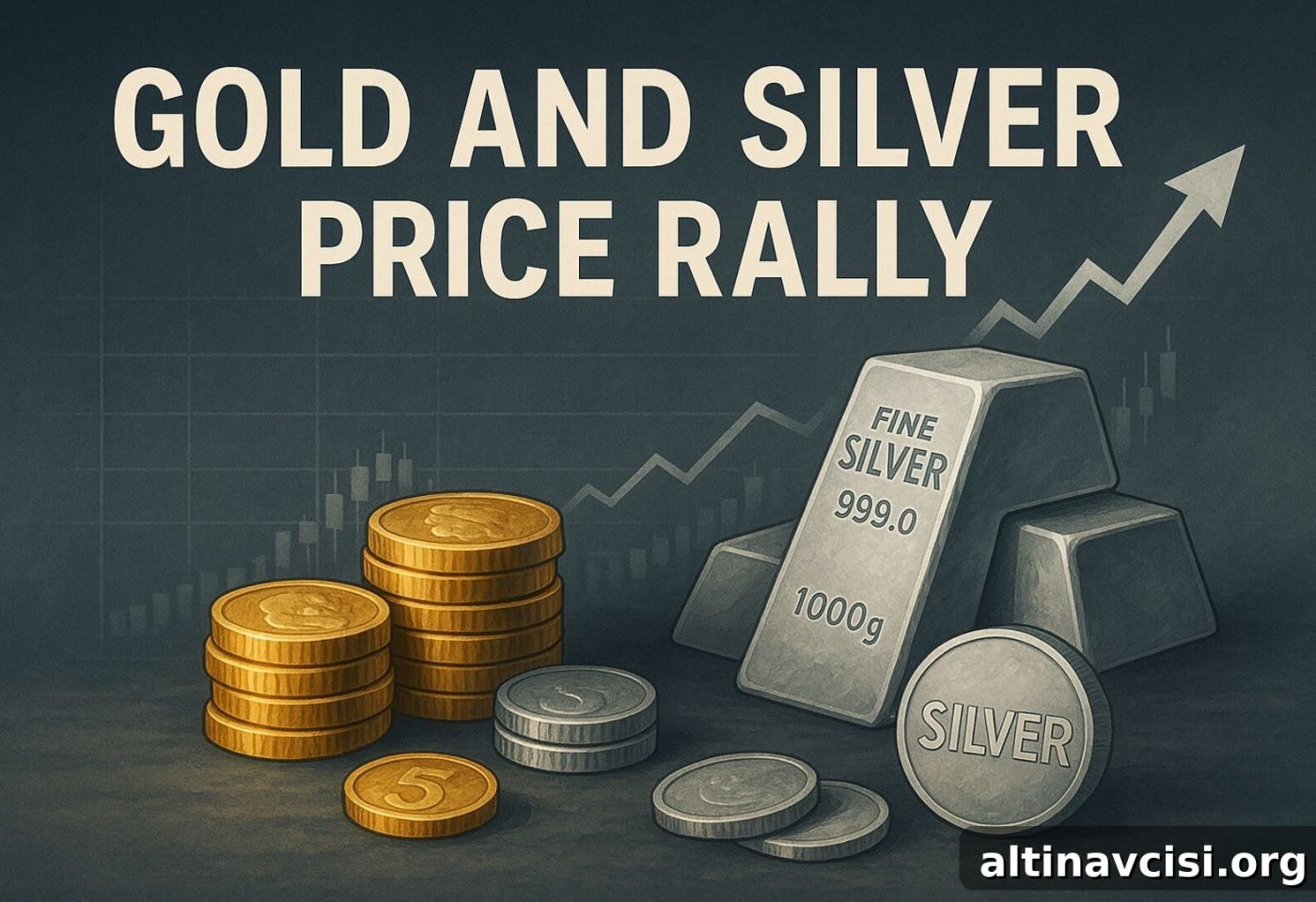
Precious metals have moved into the spotlight across global markets. Gold recently cleared $4,100 per ounce and silver topped $51, reaching new highs that have drawn broad investor attention. This rally highlights growing demand for tangible assets as economic uncertainty rises. Knowing the core drivers behind the gold and silver price surge is vital for investors seeking to protect wealth and position portfolios for volatility. Below are the five primary forces pushing gold and silver higher in 2025 — and why they matter for long-term allocations.
Investing in Physical Metals Made Easy
1. Federal Reserve Policy Shifts and the Interest-Rate Cycle
The Federal Reserve remains the most influential driver of precious-metals prices. Historically, when the Fed hints at easing or slows rate hikes, gold and silver tend to rally. With markets widely expecting additional rate cuts and real interest rates moving lower, the environment favors metals as an alternative store of value.
Gold’s decisive move above $4,000 is more than a symbolic milestone; it reflects growing doubts about the dollar’s ability to preserve purchasing power. Silver has similarly outperformed many assets since early 2024, benefiting from what traders call a “policy premium.”
The takeaway: Falling real yields and diminishing confidence in fiat currency tend to lift hard assets — and current Fed dynamics are supporting the next leg up for gold and silver.
2. Persistent Inflation and Currency Debasement
Even as headline inflation moderates in some regions, the long-term erosion of fiat purchasing power remains a central concern. Large government debts and ongoing fiscal expansion dilute paper currency value over time.
Gold and silver are behaving as they have for centuries — serving as practical hedges against currency debasement. Metals don’t require rampant inflation to rise; they only need inflation to outpace nominal interest rates, which is the dynamic currently supporting the rally.
Silver’s strong performance — up roughly 40% year-to-date — highlights its leverage to inflationary conditions. Because silver has a smaller market and combines both industrial and monetary demand, it often amplifies gold’s gains during inflationary episodes.
3. Rising Geopolitical Tensions and Safe-Haven Demand
Geopolitical uncertainty remains elevated, from trade disputes to military tensions across multiple regions. Each unsettling headline increases demand for assets that transcend borders and counterparty exposure.
Historically, gold benefits when confidence in political and financial systems weakens. Today’s fractures in alliances and episodes of currency volatility are driving investors toward safe havens. Silver, often called gold’s more volatile counterpart, tends to magnify this demand, a factor behind its rapid rise past $50 per ounce.
Why this matters: In a world where political events can shift markets quickly, gold and silver provide enduring protection against unpredictable outcomes.
4. Central-Bank Gold Buying at Multi-Decade Highs
A major structural force behind the metals rally is accelerating gold purchases by central banks. This trend reflects a deliberate shift in reserve strategy rather than short-term momentum trading.
- Reported mid-2025 data showed central banks adding between 20 and 22 tonnes in individual months like May and June.
- Recent central-bank activity includes sustained buying by large economies and notable net purchases from several countries, with some nations leading year-to-date additions.
- Surveys of central bank reserve managers indicate a strong majority plan to increase gold holdings over the coming year, signaling ongoing demand at the official level.
These actions mean central banks are absorbing a significant portion of available supply, providing structural support for prices that goes beyond speculative interest.
5. Silver’s Industrial Boom and Tight Supply
While gold’s rise is driven largely by monetary factors, silver’s rally is fueled to an even greater degree by industrial demand. The global energy transition — from solar power to electric vehicles and advanced electronics — has made silver an essential industrial metal. With each solar panel using tens of grams of silver and installations expanding rapidly, demand is growing faster than new mine supply.
At the same time, production gains have been limited. Declining ore grades at many primary silver mines and tighter environmental regulations have constrained output. This imbalance between rising industrial consumption and slower supply growth has pushed silver to record levels above $51 per ounce and supports expectations for continued strength as inventories tighten.
The takeaway: Silver is not merely following gold; it is increasingly leading in the era of electrification and green infrastructure.
Positioning for the Next Phase
The convergence of dovish central-bank policy, persistent inflationary pressures, geopolitical risk, sovereign gold accumulation, and booming industrial demand for silver has created a powerful secular tailwind for precious metals. Gold’s climb above $4,000 and silver’s move past $50 reflect a broader re-pricing of real assets in response to monetary and political shifts.
For investors, the practical lesson is to consider diversification today rather than waiting. Exposure to gold and silver — through physical bullion, secure storage programs, or approved retirement account allocations — can help protect purchasing power and hedge systemic risk.
Bottom line: In uncertain times, gold and silver remain reliable hedges, and this rally may still have room to run.
Get Gold & Silver Insights Direct to Your Inbox
Join thousands of investors who receive expert analysis, timely market updates, and curated opportunities each week.
People Also Ask
Why are gold and silver prices rising so quickly in 2025?
Prices for gold and silver have surged to record levels as investors react to falling real interest rates, lingering inflationary pressures, and strong official demand from central banks. Metals are being sought as safe havens while the dollar weakens and monetary policy expectations shift.
How do Federal Reserve policies affect gold and silver prices?
When the Federal Reserve adopts a more dovish stance or cuts rates, the opportunity cost of holding non-yielding assets like gold and silver declines. Historically, major metal rallies coincide with periods of falling or negative real interest rates.
Are central banks still buying gold in 2025?
Yes. Central banks have continued to add to official gold reserves, with many countries increasing purchases year-to-date. Surveys of reserve managers show a strong intention to keep growing gold holdings, reinforcing long-term institutional demand.
What role does inflation play in the gold and silver price rally?
Gold and silver act as hedges against inflation by preserving purchasing power as fiat currencies lose value. When inflation outpaces interest rates, investors commonly shift from paper assets into tangible stores of value like precious metals.
Why is silver outperforming gold right now?
Silver benefits from both investment flows and rising industrial demand tied to the green-energy transition — especially solar and electric vehicles. With mine supply constrained in many regions, that combination has tightened the market and driven silver to historic highs.
GoldSilver: Investing in Physical Metals Made Easy
Buy, sell, store, or take delivery of physical precious metals with flexible options built for straightforward ownership and control.
Open an Account
Popular Topics
Picked from the archive
-
01
 Topics
Japan Election Promises and Tariff Fears Rattle Bond Market
-
02
Topics
Switzerland Seeks US Pledge to Keep Gold Tariff-Free
-
03
Topics
Trump’s Global Trade Timeline: From July to Labor Day
-
04
Topics
Market Update: Gold Steady, Shoppers Cautious, Nvidia Scrutinized
-
05
Topics
Gold Price Falls Below 50-Day Moving Average
-
06
Topics
Will U.S. Sanctions on India’s Russian Oil Backfire?
-
07
Topics
US-China Trade Talks in London Aim to Ease Export Controls
-
08
Topics
Why Gold Moves Differently from Stocks and What It Means