Federal Reserve Confirms 9-3 Vote Split, Signals Major Shift
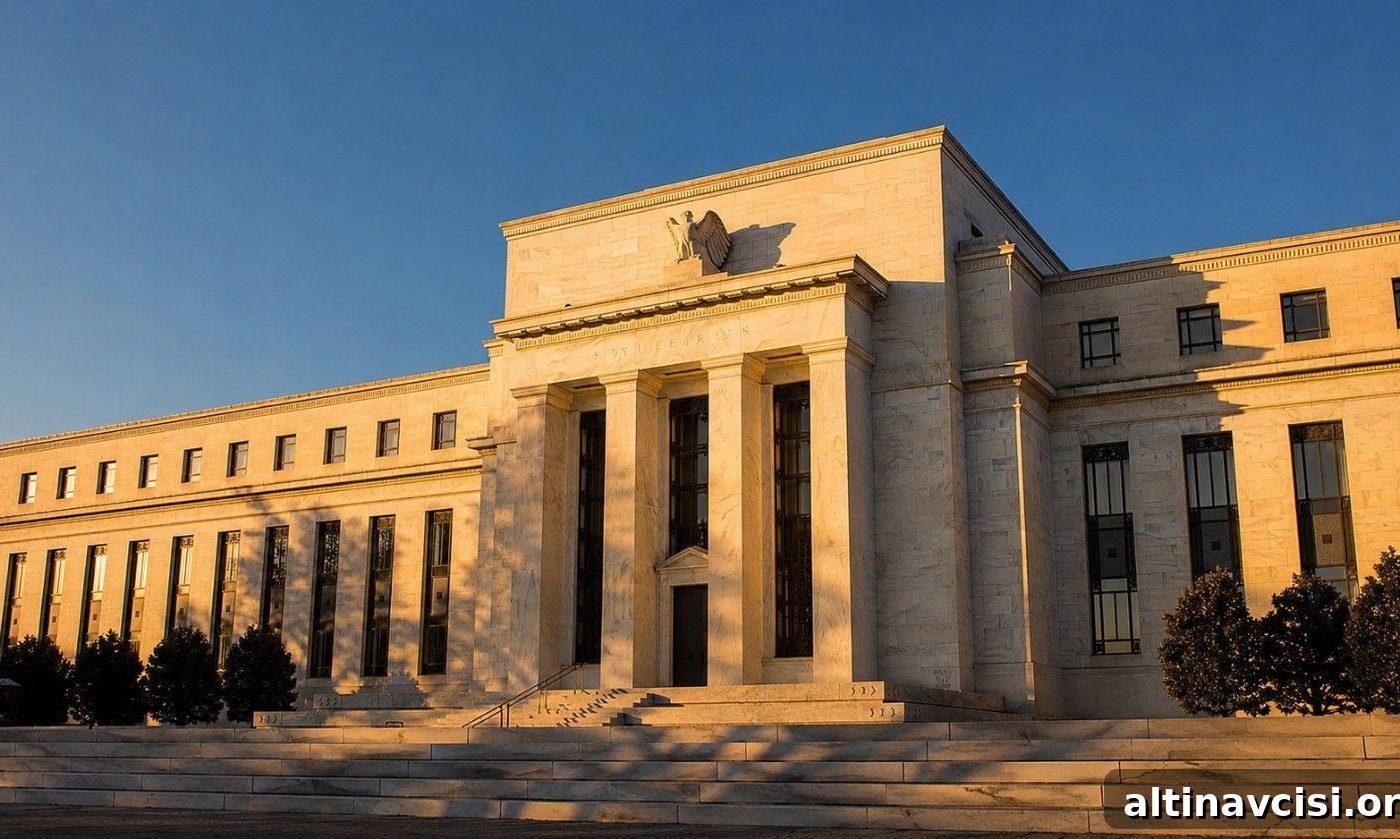
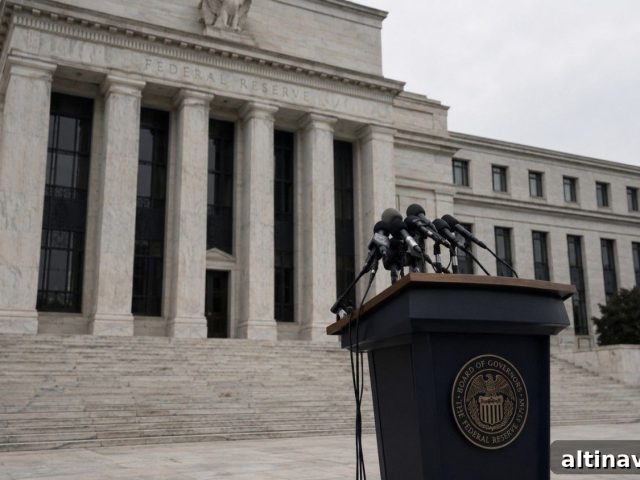
The Federal Reserve published the minutes from its July 28–29 meeting on Wednesday at 2:00 p.m. ET. The record confirmed a 9–3 vote to leave the federal funds rate unchanged at 3.50%–3.75%. But the minutes also revealed a notable, previously unreported proposal: Chair Kevin Warsh suggested reducing the Federal Open Market Committee’s scheduled meetings from eight per year to six, beginning in 2027.
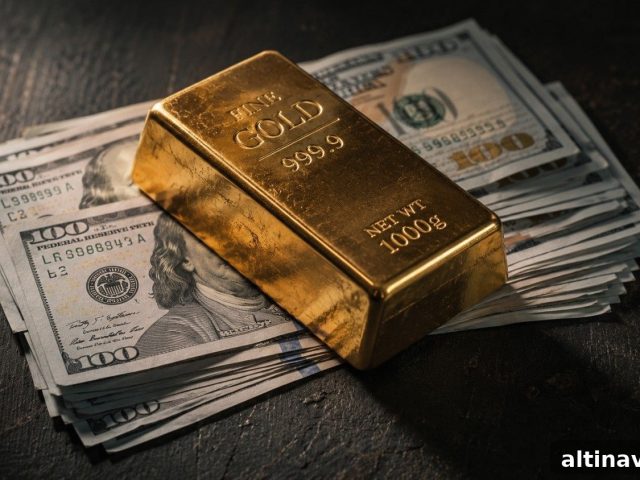
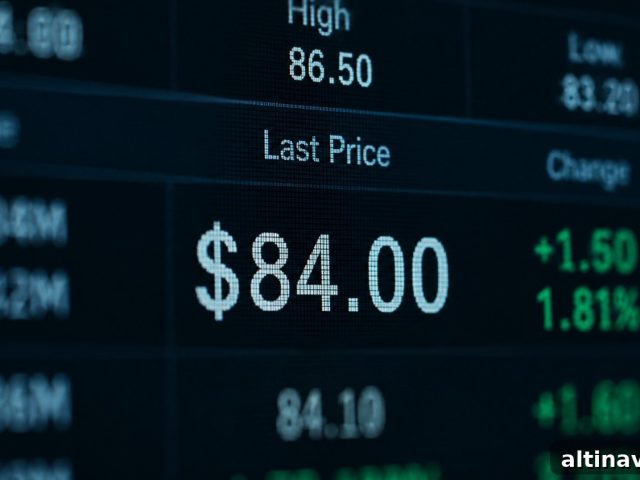
Following the minutes’ release, gold was trading near $4,507 as of 3:45 p.m. ET, roughly 4% above that day’s opening price of $4,334. Silver traded near $66.34, up about 4.7% from a $63.35 open. Both metals had already been rising before the minutes were posted, as the U.S. dollar and Treasury yields softened during the morning. The 10-year Treasury yield eased toward 4.70%, retreating from the prior session’s roughly 20-month high near 4.75%.
What Did the FOMC Minutes Actually Confirm?
The minutes largely affirmed what the July 29 policy statement had signaled, but added names to the vote. Nine participants — Chair Warsh and governors Williams, Barr, Bowman, Cook, Jefferson, Paulson, Powell, and Waller — supported holding the federal funds rate at its current range. Three regional Fed presidents dissented, preferring a 25-basis-point hike: Beth Hammack (Cleveland), Neel Kashkari (Minneapolis), and Lorie Logan (Dallas). That marks the first instance since September 2016 in which three members collectively dissented for a hike, and media coverage noted that the early resistance faced by Chair Warsh is the most pronounced for a new Fed chair in decades.
Beyond the vote tally, the minutes contained new institutional information. They quoted Chair Warsh proposing that the committee consider shifting to six scheduled meetings per year, spaced roughly every two months, instead of the current eight. Warsh explained that fewer, more spaced meetings would allow more data to accumulate between sessions and give policymakers and staff additional time to deliberate strategic monetary-policy issues. The committee discussed the idea but did not decide on it; Warsh clarified that the existing eight-meeting schedule will remain in place through the end of 2026 regardless of the outcome of the discussion.
The Edge Every Investor Needs
Smarter precious metals investing starts with clear, timely information. Subscribe for market insights, Fed updates, and educational analysis.
Sign up on the site to receive the Nuggets newsletter for market alerts and commentary on gold, silver, and monetary policy.
Why Does a Meeting Schedule Move Gold Prices?
The price reaction is not primarily a response to the vote count; rather, it reflects a change in how often the Fed would formally communicate with markets. Under Chair Warsh, the Fed has already stepped back from explicit forward guidance. A proposal to reduce the frequency of scheduled meetings would further widen the intervals between guaranteed opportunities for the committee to convey its collective view. Fewer scheduled checkpoints can allow market positioning to build up for longer stretches without a calendar-driven event that typically forces a reprice or unwind.
That combination — less explicit guidance and fewer scheduled meetings — is a structural change to the Fed’s communication strategy. It alters the rhythm of information flow, and that change can act as a catalyst for asset classes sensitive to shifts in certainty and interest-rate expectations, notably gold and silver. The market had largely priced in the close vote itself because the July 29 statement had flagged the discussion of a hike; the meeting-cadence proposal, however, was new to the public record and therefore had more room to influence positioning when it appeared in the minutes.
What Does a Fed That Meets Less Often Mean for Gold and Silver?
Coverage that focuses only on the vote tally risks missing the broader implication. The fact that three regional presidents voted for a hike is important, but the institutional proposal to slow the cadence of meetings changes the environment in which those policy decisions are revealed. Reduced meeting frequency amplifies the importance of each scheduled announcement and extends the periods where markets must navigate with less scheduled input from the Fed. Historically, such stretches have been fertile ground for momentum to build in metals markets.
For long-term holders of physical gold and silver, the immediate intraday move — a roughly 4% spike in gold, for example — is less significant than the underlying shift in information flow the Fed is contemplating. A deliberate move toward fewer formal meetings would mean the institution that sets the pace of monetary-policy disclosure is choosing to slow that pace. That matters for positioning, volatility, and how investors balance exposure to interest-rate risks and inflation hedges.
What Should Investors Watch Next?
Investors should monitor several upcoming milestones. First, the Jackson Hole Economic Symposium later this month, where Chair Warsh is scheduled to speak, could produce further detail on the committee’s thinking about meeting cadence and communication strategy. Second, the September FOMC meeting itself merits attention: with three dissenting votes already on record favoring a hike, the chance of another split vote is higher than it has been for much of the year. Finally, metal-specific indicators matter: for silver, watch the gold-silver ratio. Continued compression from the recent high-60s range would suggest silver is leading the move rather than merely mirroring gold’s percentage gains.
Stay On Top of Gold & Silver Prices
Get important market alerts sent to your inbox.
Live price widget available on the site.
Subscribe on the website for timely alerts and analysis on precious metals and monetary policy.
SOURCES
1. Federal Reserve — Minutes of the Federal Open Market Committee, July 28–29, 2026.
2. Reuters coverage noting the number of early dissents relative to past Fed chairs.
3. Live gold and silver prices and charts referenced for market context.
4. Treasury-yield data used to describe yield movement on the day of the minutes.
Disclaimer: This article is for informational purposes only and does not constitute investment advice. Past performance is not indicative of future results. Consult a qualified financial advisor before making investment decisions.
You May Also Like:
- Gold and Silver Are Climbing Today. The Textbook Says They Shouldn’t Be.
- Gold Jumped 1.9%. Silver Jumped 2.7%. The Fed Hasn’t Said a Word Yet.
- The Long Bond Hit a 19-Year High. Inflation Expectations Didn’t Move.
- FOMC Minutes Tomorrow. Jackson Hole in Nine Days. Here Is What Gold Needs From Both.
- Three Fed Officials Voted to Hike. What It Means for Gold.
- Why Is Gold Not Going Up? The Bears Vanished in June
Popular Topics
Picked from the archive
-
01
 Topics
Bond King Jeffrey Gundlach’s Gold Signal for Investors
-
02
Topics
Federal Reserve Goes Silent: Why Gold Investors Don’t Need It
-
03
Topics
Do Gold ETFs Mean You Own Physical Gold?
-
04
Topics
Gold, Silver and Stagflation: 5 Market Signals to Watch
-
05
Topics
Silver Price Outlook May 2026: Focus on Trends, Not Numbers
-
06
Topics
How the Federal Reserve Shrunk the Dollar’s Value 97% Since 1913
-
07
Topics
BEA Removed Silver From GDP: What It Means
-
08
Topics
South Korea’s Central Bank Resumes Gold Purchases After 13 Years