Bond King Jeffrey Gundlach’s Gold Signal for Investors
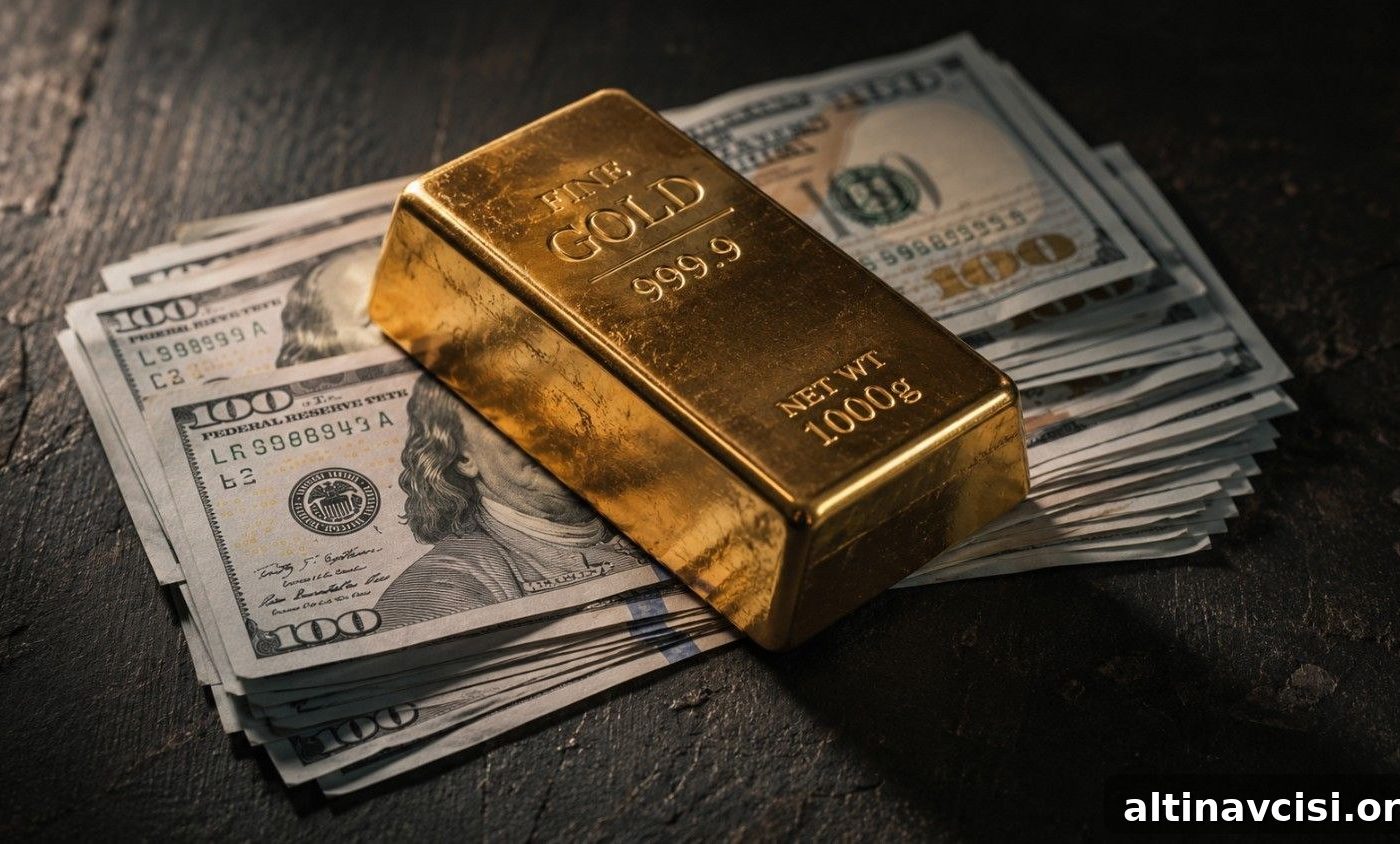
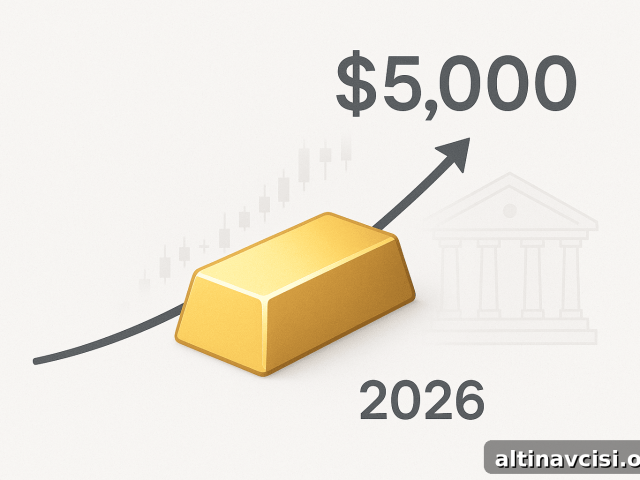
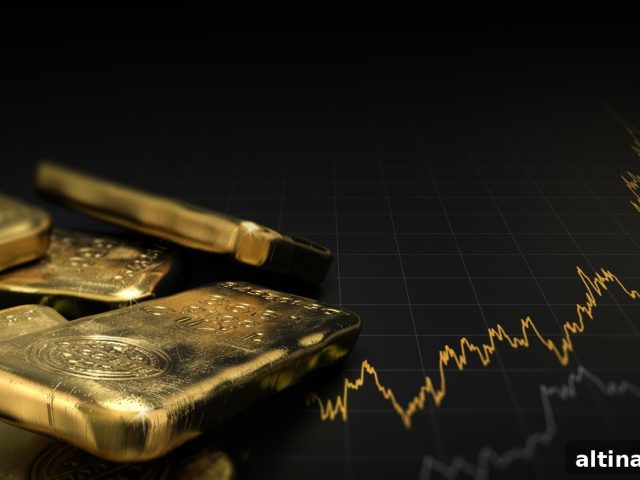
Gold is trading near $4,700 per ounce in May 2026. It reached an all-time high of $5,589.38 on January 28. One of the world’s most respected fixed-income investors believes the rally has room to run. Jeffrey Gundlach, CEO and CIO of DoubleLine Capital and widely known as the “New Bond King,” has named gold his top commodity pick and is urging investors to reconsider portfolios made up entirely of paper assets. His argument rests on three long-term forces he sees as persistent: currency debasement, U.S. dollar pressure, and steady central bank accumulation. Below is a clear summary of his thinking and practical guidance for investors.
Why Is the Bond King Watching Gold?
Jeffrey Gundlach launched DoubleLine Capital in 2009 and has become one of the most influential macro voices in institutional finance. His growing emphasis on gold is not driven by short-term price moves but by a conviction that the financial framework underpinning traditional portfolios faces significant strain.
Gundlach calls gold a “real asset.” He argues demand is no longer limited to niche collectors or speculators; institutional and prudent investors are allocating capital because gold represents tangible, lasting value. In the recent 12 months, gold led major asset classes in performance, reinforcing his point. For someone known for his bond expertise, that observation is notable.
In Gundlach’s view, gold has moved from a marginal allocation to a strategic necessity amid mounting U.S. debt, structurally challenged real interest rates, and coordinated central bank buying.

Your Gold Buying Guide Many investors overpay when they buy gold—and again when they sell. This concise guide explains what to own, why it matters, and how to avoid common mistakes.
Request the free guide to practical gold buying strategies (no scripts required).
What Is Gundlach’s “Radical” Diversification Portfolio?
Gundlach proposes a deliberate departure from the traditional 60/40 stock/bond model, which he says was built for an era of falling interest rates, manageable debt, and contained inflation—conditions that no longer apply. His recommended allocation is intended to be resilient across a wide range of economic outcomes.
In early 2026 he outlined a framework of roughly 30% non-U.S. equities, 20% real assets, 30% high-quality bonds, and 20% cash equivalents. He later refined the real asset portion to include a core 10% allocation to gold and about 5% to a diversified commodity basket, with the total real asset sleeve ultimately set at 20% in later statements. The overall emphasis: meaningful exposure to tangible assets alongside equities, bonds, and cash.
The portfolio is designed to avoid single-point failures. Inflation tends to benefit commodities and gold; deflation favors bonds and cash; stagnation often supports gold as a safe haven. No single scenario should inflict irreversible damage on the whole.
Gundlach suggests capping equities at 40% and fixed income at 25%, warning that current market valuations are unusually high and that holding only paper assets exposes investors to asymmetric downside risk.
What Are Gundlach’s Three Macro Triggers for Gold?
The U.S. Debt Trap
Federal debt levels and the cost of servicing that debt create intense fiscal pressure. Broad monetary aggregates have expanded substantially, while long-term rates remain elevated enough that refinancing becomes costly. Gundlach warns that when a government faces this squeeze, monetization — printing money to reduce the real burden of debt — becomes more likely. Historically, such currency debasement has been a favorable environment for gold, making it a necessary hedge rather than a speculative gamble.
The U.S. Dollar Pivot
Gundlach sees a structurally weaker dollar as a central macro theme. Geopolitical shifts and a gradual move toward diversified reserve assets are eroding the dollar’s unquestioned dominance. Because gold is priced in dollars, persistent dollar weakness functions as a direct tailwind for the metal. At the same time, sticky inflation and a Federal Reserve constrained between fighting price pressures and supporting growth limit its ability to defend the currency, in Gundlach’s assessment.
Central Bank Accumulation
Central banks have been consistent, large-scale buyers of gold. Recent years saw purchases well above the long-term average, and surveys of official institutions show ongoing intentions to grow reserves. These are not short-term trades; they are strategic, multi-decade reserve decisions. When sovereign buyers steadily accumulate gold, they create a structural support for prices and signal diminished confidence in fiat-only reserve strategies.
When Should You Buy? Reading Gundlach’s Entry Signals
Gundlach identifies practical entry signals that complement the macro case. Two stand out.
The $3,500 threshold. He has said he would buy “with both hands” if gold pulled back toward $3,500 per ounce. Given that gold has traded substantially above that level in recent months, pullbacks toward well-defined support should be viewed as opportunities to accumulate rather than reasons to panic.
The Gundlach Ratio (Copper/Gold). This ratio divides the price of copper by the price of gold. Copper generally rises with growth while gold responds to economic uncertainty, so the ratio offers a real-time proxy for market confidence. When the copper/gold ratio falls amid persistent inflation, it signals slowing activity with rising prices—a backdrop historically favorable to gold.
Gold vs. Silver — Which One Does Gundlach Prefer?
Gold is Gundlach’s primary focus. He views it as the foundational monetary asset with a long track record as a store of value that cannot be replicated by governments. Gold anchors his real asset allocation.
Silver has both monetary and industrial uses, which causes it to behave differently across a bull cycle. It often lags gold early on, then can accelerate sharply as demand broadens—offering greater upside but greater volatility. In Gundlach’s framework, silver complements gold rather than replaces it.
How Should You Build a Gundlach-Inspired Portfolio?
Gundlach’s case for gold rests on multiple reinforcing trends: inflation running above the Fed’s 2% target, a weakening dollar, heavy federal debt loads, and sustained central bank demand. These forces together create a durable, structural backdrop for precious metals.
Major institutions have projected continued demand that could keep upward pressure on prices. Meanwhile, record global demand and elevated central bank purchases have created a substantial, long-term support base. When a leading bond manager increases his real asset allocation and singles out gold, it merits attention from investors reviewing diversification and capital preservation strategies.
The challenge for many investors is timing. Waiting for a crisis to become obvious often means paying crisis prices. Gundlach recommends having a plan for accumulation—treating pullbacks as opportunities and maintaining exposure that reflects the long-term risks to fiat assets.
Stay On Top of Gold & Silver Prices
Get important market alerts sent straight to your inbox.
Live price widget removed for privacy. Sign up below for alerts and updates.
Subscribe to receive market summaries and alert emails. (Form disabled in this version.)
People Also Ask
Why does Jeffrey Gundlach call gold a “real asset”?
Gundlach distinguishes financial instruments—stocks and bonds whose value depends on contracts and promises—from real assets such as gold that hold intrinsic value independent of any single government or institution. In his view, gold is a durable hedge against currency debasement and systemic financial risk.
Should I buy gold if it is already near all-time highs?
Gundlach’s answer is that fundamentals matter more than the nominal price level. He has stated he would buy aggressively if prices retraced to key support such as the $3,500 area. If the macro drivers remain intact—debt pressures, dollar weakness, and central bank demand—higher prices can become new long-term floors rather than signals to exit.
What is the Gundlach Ratio and how does it work?
The Gundlach Ratio is the copper price divided by the gold price. Copper tends to reflect growth and industrial demand, while gold responds to safe-haven flows and inflation concerns. Changes in the ratio can signal shifts in growth expectations and correlate with interest-rate moves, making it a useful indicator for some institutional managers.
Is the traditional 60/40 portfolio still valid in 2026?
Gundlach argues the classic 60/40 allocation needs updating. He recommends lower equity and bond caps, a meaningful allocation to real assets, and a larger cash buffer to navigate a world of high debt and above-target inflation. His portfolio aims to reduce reliance on paper assets alone for purchasing-power protection.
How does central bank gold buying affect the gold price?
Sustained, large-scale central bank purchases increase structural demand and contribute to a durable price floor. When multiple sovereign institutions consistently add gold to reserves, it tightens available supply and strengthens the long-term price outlook.
The Window Is Open — But It Won’t Stay That Way Forever
The signals Gundlach tracks—rising debt burdens, a weakening dollar, and sustained central bank buying—are not fleeting. They tend to evolve slowly and persistently. Debt reduction, de-dollarisation, and reserve shifts occur over years, not weeks. That makes the current environment unusual: multiple durable trends are aligned in a way that favors tangible assets like gold.
Gundlach treats market pullbacks as opportunities to build positions incrementally. Investors who delay until a crisis becomes obvious often end up paying a much higher price to participate.
If you are preparing to act, establish a plan for disciplined accumulation and defined allocation targets so you can respond to pullbacks without hesitating.
SOURCES
1. Fortune — “Bond King” Jeffrey Gundlach says gold is a real asset class (Fortune report).
2. Advisor Perspectives — Gundlach review and outlook (January 2026 commentary).
3. DoubleLine — Gundlach discussion on inflation and a weaker dollar (DoubleLine insights).
4. 247 Wall St. — Coverage of Gundlach’s views on debt and portfolio positioning.
5. Trading Economics — Gold price and inflation data references.
6. World Gold Council — Central bank gold demand and annual gold demand trends.
7. Investing.com — Gold futures price and historical ranges.
8. CFA Institute — Analysis of the copper–gold ratio and its indicator value.
9. J.P. Morgan Global Research — Gold demand and price forecasts.
Disclaimer: This article is for informational and educational purposes only and does not constitute investment advice. Consult a qualified financial adviser before making any investment decisions.
You may also like:
- Gold Price Outlook May 2026: Why Institutional Forecasters Still See $5,000
- India’s ‘Patriotic’ Gold Buying Freeze: What It Means for Prices
- How to Time Your Gold & Silver Buys Using Technical Analysis
- Silver Jewelry or Bullion? A Buyer’s Guide to the Real Difference
- Gold and Oil Move Opposite Ways. Here’s Why That Matters
- 7 Timeless Warren Buffett Rules for Gold & Silver Investors
- Gold vs. Bitcoin: Which Hard Asset Will Protect Your Wealth?
- Why Central Banks Sell Gold — And What It Means for Prices
Popular Topics
Picked from the archive
-
01
 Topics
Gold’s Bull Run: Fed Rate Cuts and China Buying Drive $5K Target
-
02
Topics
Oil Price Tops $100 as OPEC Fractures – Gold Price Reacts
-
03
Topics
Why Trump Cannot Fire Federal Reserve Chair Jerome Powell
-
04
Topics
Insurance vs Upside: How Gold and Silver Balance Your Portfolio
-
05
Topics
Bank Safety Deposit Box vs Gold Vault: Which Is Safer for Gold?
-
06
Topics
Central Banks Slow Pace but Still Buy Gold as Demand Jumps 3%
-
07
Topics
Gold Bars vs Jewelry: Why Investors Choose Bullion
-
08
Topics
Gold Price Tops $3,800 as U.S. Shutdown Looms