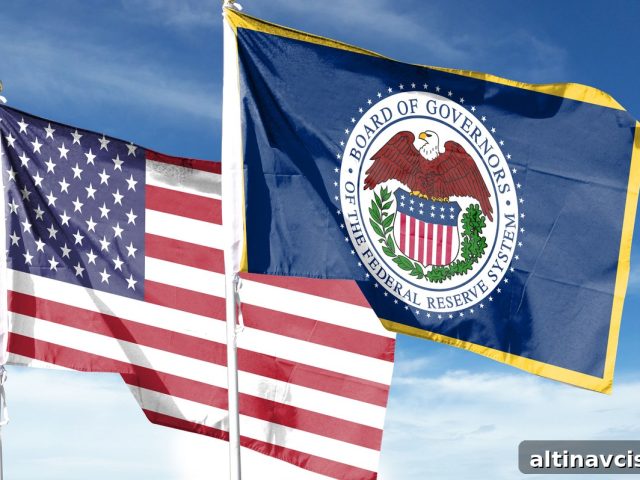
Why Trump Cannot Fire Federal Reserve Chair Jerome Powell
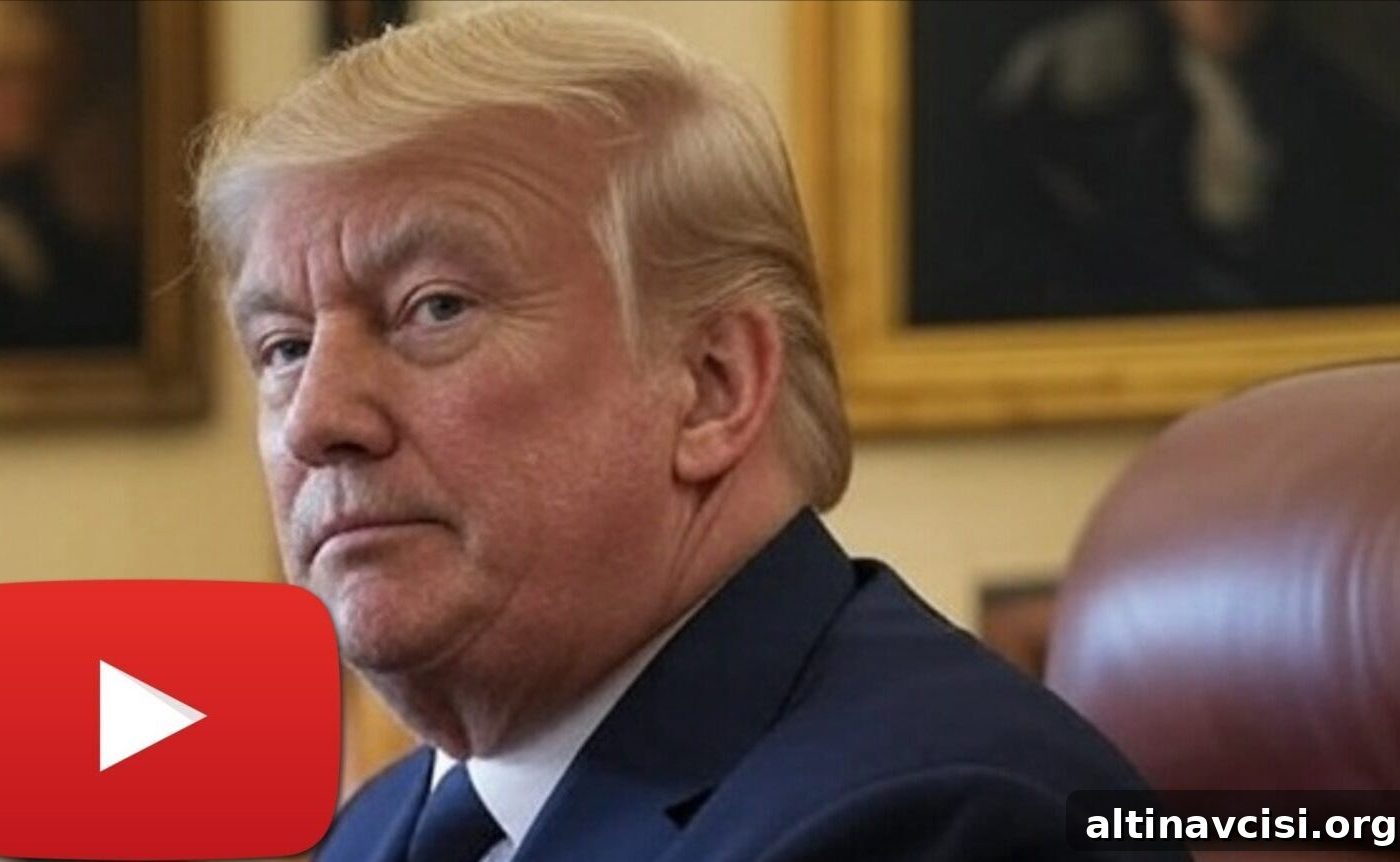
Trump Criticizes Fed Chair After July 30 Rate Decision
After the Federal Reserve left its key interest rate unchanged on July 30, former President Donald Trump took to social media to sharply criticize Federal Reserve Chair Jerome Powell. In his posts, Trump described Powell as “too late” and “too political,” reflecting frustration with the central bank’s decision not to lower rates.
Trump has repeatedly threatened to remove Powell from his position over the Fed’s reluctance to reduce interest rates. Those threats have drawn attention to the legal and institutional safeguards that protect the central bank’s independence. Legal experts emphasize that the president cannot simply dismiss the Fed chair at will; the chair and board members are protected by statutory limitations that restrict removal to specific circumstances.
Chair Powell himself has pointed to the same constraint, noting that board members are removable only “for cause.” He has also observed that bipartisan backing for the Fed’s leadership makes any successful attempt to replace the chair unlikely. That combination of legal protection and broad support is intended to shield monetary policy decisions from short-term political pressure, preserving the Fed’s ability to focus on its mandate.
The exchange underscores a recurring tension between elected officials who may seek quicker policy responses and an independent central bank that weighs a range of economic indicators when setting interest rates. In this episode, the Fed’s decision to hold rates steady prompted a forceful reaction from a high-profile political figure, while the legal framework governing the Fed constrained the practical options available to those calling for leadership changes.
Observers noted that the debate is not only about a single rate decision but about the broader principle of central bank independence. That principle is designed to provide continuity and stability in monetary policy by ensuring that decisions about interest rates and related tools are made by officials who can operate without direct political intervention. Statements from legal authorities and from Powell himself emphasize how these protections function in practice and why they are considered important to the integrity of the monetary system.
While criticism of the Fed is common in political discourse, the legal and institutional barriers to removing a sitting chair serve as a reminder that such critiques do not automatically translate into immediate personnel changes. According to Powell’s own remarks, the requirement that board members be removable only “for cause,” combined with bipartisan support, makes a forced change of leadership improbable.
In the wake of the July 30 announcement and the subsequent public exchange, the conversation shifted to what staying the course on rates means for the economy and how the relationship between political leaders and independent institutions can shape public expectations. The episode highlights the balance that democratic systems seek between elected authority and the need for expert, steady-handed management of complex economic policy.
As this story continues to develop, the key legal and institutional points remain unchanged: the Fed’s independence is protected by law, removal of its leaders is limited to narrow circumstances, and bipartisan support plays a significant role in preserving continuity at the central bank’s helm. Those safeguards help ensure that monetary policy decisions follow established procedures and professional judgment rather than immediate political pressures.
Popular Topics
Picked from the archive
-
01
 Topics
Copper Prices Plunge After U.S. Imposes 50% Import Tariff
-
02
Topics
Bank of America Predicts No Fed Rate Cuts Until 2026
-
03
Topics
Global Central Banks Slow Gold Buying as Prices Reach Record Highs
-
04
Topics
Egg Prices Plunge: April’s Biggest Monthly Drop Since 1984
-
05
Topics
Gold Rises Amid Fed Uncertainty; Palladium and Platinum Surge
-
06
Topics
CBO Warns Congress Faces Mid-August Debt Ceiling Deadline
-
07
Topics
Trump Confirms July 9 Tariff Deadline Will Stand; No Extension
-
08
Topics
Brazil Inflation Off Target for Sixth Straight Month