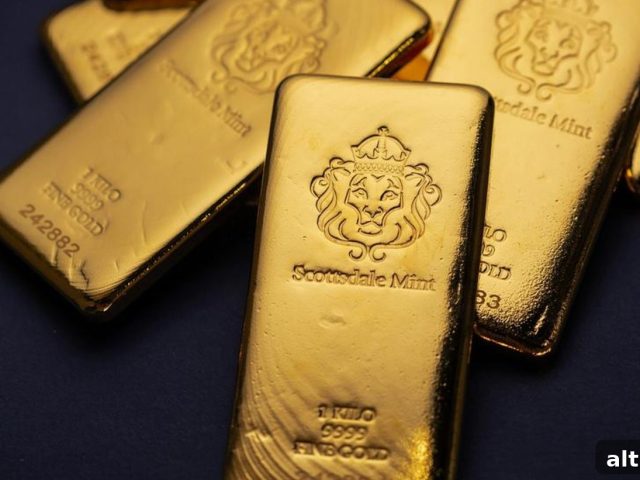
Copper Prices Plunge After U.S. Imposes 50% Import Tariff
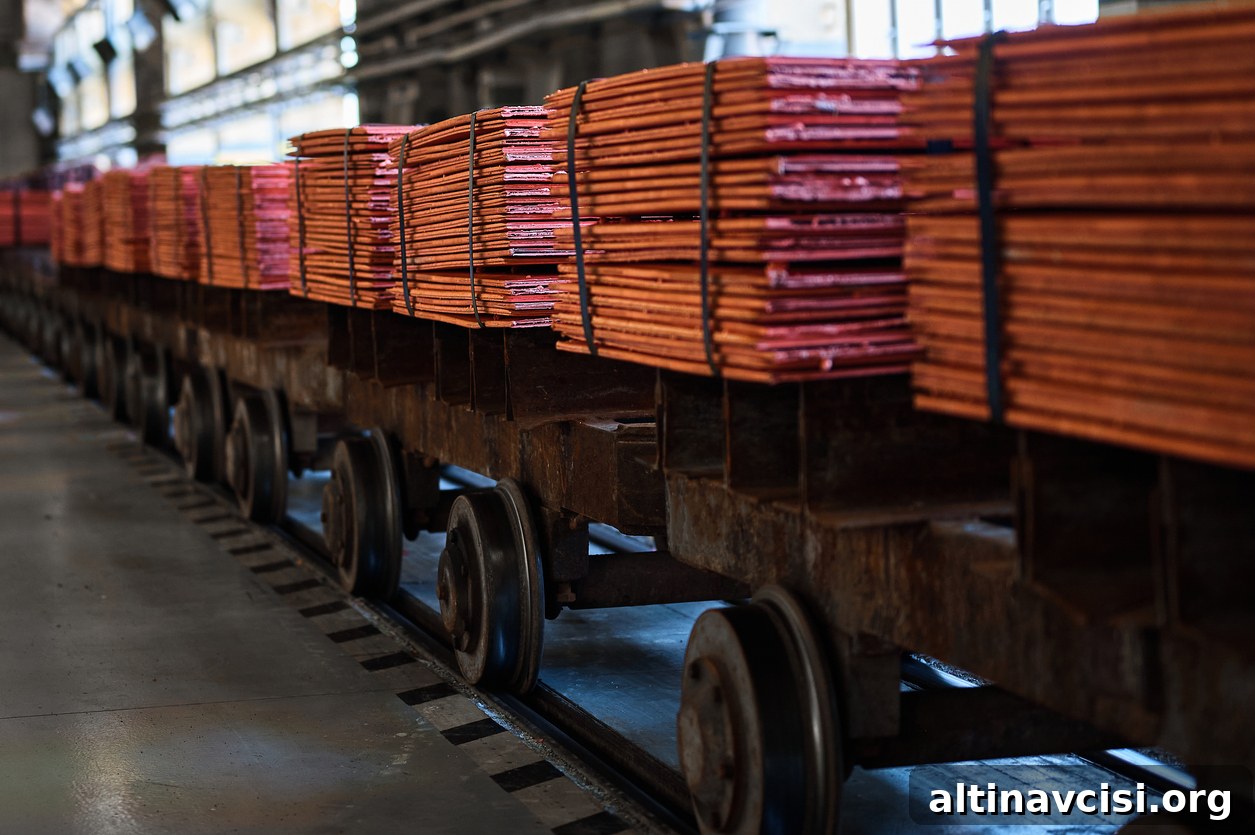
U.S. Announces 50% Copper Tariff: Market Shock and Industry Implications
The Trump administration announced a 50% tariff on all imported copper, a move that triggered a sharp market reaction and raised immediate concerns across supply chains that depend on the metal. In after-hours trading, copper prices plunged by as much as 18%, reflecting investor anxiety and the rapid reassessment of near-term demand and cost impacts.
Immediate Market Response
Alongside the drop in copper prices, mining companies saw pronounced declines in their stock valuations. The market reaction highlights the sensitivity of commodity prices to trade policy shifts, particularly when the change is sudden and large in scale. Traders and investors reacted swiftly as uncertainty over future flows of imported copper and potential countermeasures took hold.
Policy Rationale and Timing
According to the administration, the tariffs are intended to protect U.S. industries and help reduce the bilateral trade deficit by discouraging imports and encouraging domestic production. The measure is scheduled to go into effect this Friday, affecting a metal that the United States imports almost half of—primarily from Chile. The timing and scope of the tariff mean manufacturers, distributors, and buyers that rely on imported copper will have to process the new cost reality on short notice.
Potential Effects on Industry and Consumers
Experts and industry observers have warned that while the tariffs aim to shield domestic industry, they could also raise production costs for a wide range of end products that rely on copper. Copper is a foundational material for sectors such as construction, electrical equipment, electronics, infrastructure, and transportation. An increase in raw material costs may cascade through supply chains, leading to higher prices for goods and services that use copper extensively.
Manufacturers facing higher input costs may attempt to pass those costs on to consumers, absorb them and reduce margins, or seek alternative materials or suppliers. All three responses carry trade-offs: passing costs on affects consumer prices, absorbing costs can hit corporate profitability and investment, and switching materials or suppliers can require time and capital while potentially compromising performance or reliability.
Domestic Production and Supply Chain Considerations
Proponents of the tariff argue it could incentivize increased domestic mining and processing capacity over time, supporting local jobs and reducing reliance on imports. In the short term, however, the domestic industry may not be able to scale up production quickly enough to offset the loss of imported metal, which could prolong market dislocations.
Recycling and secondary supplies of copper may become more attractive as the market adjusts. Companies that specialize in scrap recovery and metal reclamation could see increased demand. At the same time, long-term capital projects to expand domestic capacity would require investment, permitting, and construction timelines measured in years, not weeks or months.
Investor and Corporate Responses
Investors are likely to monitor earnings guidance, cost forecasts, and supply contracts from utilities, manufacturers, and copper producers. Companies reliant on copper will face questions from shareholders and customers about how they plan to manage rising input costs and supply uncertainty. Some firms may hedge exposure through financial instruments or long-term supply agreements, while others may accelerate research into alternative materials.
Broader Economic and Trade Considerations
Trade measures of this magnitude can prompt retaliatory responses or renegotiations with trading partners. They also affect inflationary pressures, particularly if higher commodity costs feed into consumer prices. Policymakers will need to weigh the benefits of protecting domestic industry against the potential for broader price increases and disruptions to manufacturing activity.
What to Watch Next
- Official guidance and details from the administration on the tariff implementation and any exemptions or phased approaches.
- Statements and strategic responses from major copper consumers and producers, including adjustments to procurement and pricing.
- Market indicators such as copper futures, mining stock performance, and measures of downstream cost pass-through to consumers.
- Any diplomatic or trade negotiations with major copper-exporting countries, given the U.S. reliance on imports—chiefly from Chile.
As the tariff takes effect this Friday, businesses, investors, and consumers will be closely watching developments to gauge the duration and depth of the economic impact. While the policy aims to bolster domestic industry and reduce trade imbalances, its immediate effect is clear: significant market volatility and a renewed focus on the role of copper in modern supply chains.
Popular Topics
Picked from the archive
-
01
 Topics
Could Trump’s Trade Wars End a Century of US Dollar Dominance?
-
02
Topics
UBS: Why Investors Should Look Past Gold’s Dip from Record Highs
-
03
Topics
Jobless Claims Drop, 4-Year High Raises Job Market Concern
-
04
Topics
Buying Local: How Nations Build Foreign Reserves Without Dollars
-
05
Topics
Goldman Sachs Predicts Gold to Hit USD 3,700 by End of 2025
-
06
Topics
Markets Doubt Trump’s Ability to Balance Tax Cuts and Spending
-
07
Topics
Tariff Uncertainty and Fed Outlook Keep Gold Prices Volatile
-
08
Topics
Report: Republican Tax Bill Masks Over 1 Trillion in Future Debt