Trump Extends Mexico 90-Day Tariff Reprieve During Trade Talks

Trump Grants Mexico 90-Day Tariff Reprieve as U.S. Expands Trade Measures
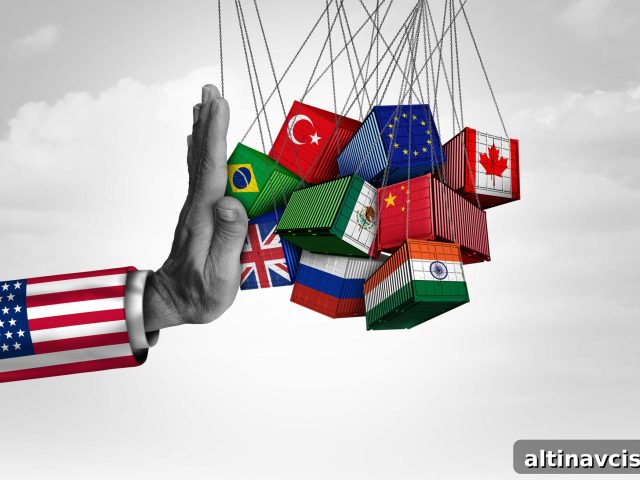
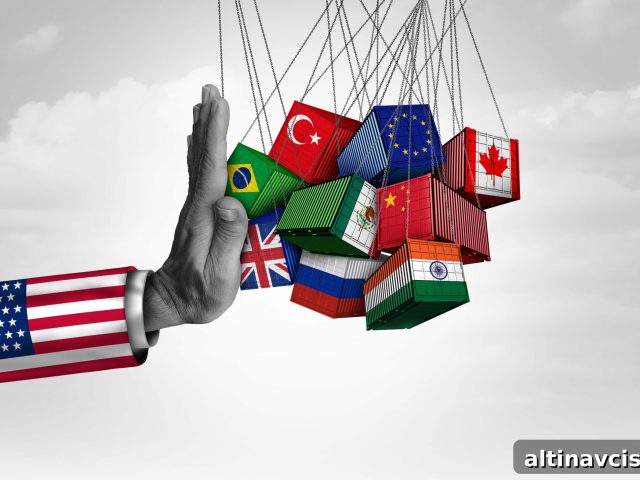
President Trump has granted Mexico a 90-day reprieve from higher tariffs, extending current tariff rates to allow additional time for trade negotiations. The temporary extension is intended to provide negotiators on both sides a clear window to work toward mutually acceptable terms without immediately imposing elevated duties.
New Tariff Action Involving South Korea
At the same time, the administration announced an agreement with South Korea that implements a 15% tariff on certain imports from Korea, while exempting U.S. goods from that measure. This action signals a selective approach to tariffs that aims to protect American producers while leveraging trade concessions in bilateral talks.
Potential and Announced Tariffs on India and Brazil
In addition to the measures affecting Mexico and South Korea, President Trump has announced or threatened tariffs on products from India and Brazil. Among the most notable of these proposals is a 50% tariff on many Brazilian products slated to take effect in the near term. Those announcements underscore an administration strategy that uses tariff threats and tariffs themselves as bargaining tools to influence trade practices and outcomes with multiple partners.
Ongoing Negotiations with China and the European Union
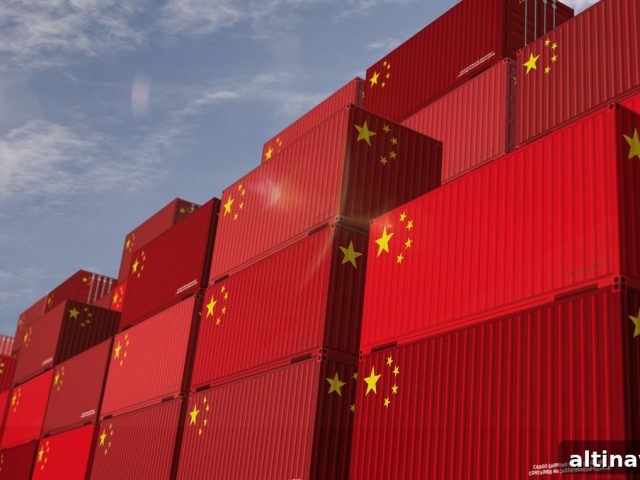
Meanwhile, separate negotiations with China and the European Union are reported to be making progress toward significant trade deals. These talks are unfolding against the backdrop of upcoming deadlines for potential new tariffs, creating a sense of urgency for negotiators. The administration appears to be pursuing a mix of pressure and diplomacy—imposing or threatening duties to extract concessions while keeping channels open for agreements before higher rates take effect.
Implications for Trade and Business
These developments carry implications for businesses, exporters and importers across multiple industries. A 90-day reprieve for Mexico offers short-term stability for supply chains that rely on existing tariff rates, but it also highlights the provisional nature of trade arrangements under negotiation. Tariffs targeting imports from South Korea, India and Brazil could affect prices, sourcing decisions and the competitive landscape for U.S. manufacturers and retailers, depending on how broadly or narrowly the duties are applied.
For companies that trade internationally, the current environment emphasizes the importance of contingency planning. Businesses may need to reassess supplier relationships, adjust pricing strategies, and monitor negotiations closely to anticipate potential changes in duties. Policymakers and industry groups are likely to continue engaging in talks to shape the scope and implementation of any tariffs or trade agreements.
What to Watch Next
Key items to watch in the coming weeks include the outcome of negotiations with Mexico during the 90-day extension, the specific implementation details of the 15% tariff agreement with South Korea, and any formalized tariff notices affecting India and Brazil. Progress in talks with China and the European Union will also be important, particularly as deadlines for possible tariff increases approach. The trajectory of these discussions will determine whether tariffs serve as temporary leverage leading to deals, or whether they become longer-term fixtures with broader economic consequences.
As the situation evolves, parties on all sides are likely to continue weighing the economic costs and political benefits of tariffs versus negotiated agreements. Stakeholders should remain attentive to official announcements and guidance from trade authorities to understand how these measures may affect specific sectors and cross-border commerce.
Popular Topics
Picked from the archive
-
01
 Topics
ECB Reaches 2% Inflation Target in June as Eurozone Prices Hold
-
02
Topics
Trump Threatens EU With 250% Tariffs on Pharmaceuticals
-
03
Topics
Trump Threatens 10-15% Tariffs on Over 150 Countries
-
04
Topics
Trump’s 50% Tariff Threat Sparks Stock Market Turmoil
-
05
Topics
Record Trade Deficit Pushes US GDP Down 0.2%
-
06
Topics
Why Gold Is Defying Market Signals in 2025
-
07
Topics
Why Bond Experts Draw Parallels Between Today’s Fed and the 1930s
-
08
Topics
How He Lifeng Is Rewriting China’s Playbook to Counter Trump