Why the Fed Focuses on One of Two Monthly Inflation Reports
Key Takeaways
- Headline inflation measures price changes across the entire economy, including food, energy, housing and services. Core inflation excludes food and energy to reveal the underlying trend.
- The Federal Reserve’s formal 2% inflation objective is defined using headline PCE (Personal Consumption Expenditures), but policymakers typically focus on core PCE when setting interest rate policy in real time.
- Core inflation as a formal concept dates back to economist Robert J. Gordon in 1975. Today the Fed’s preferred gauge is core PCE, not core CPI.
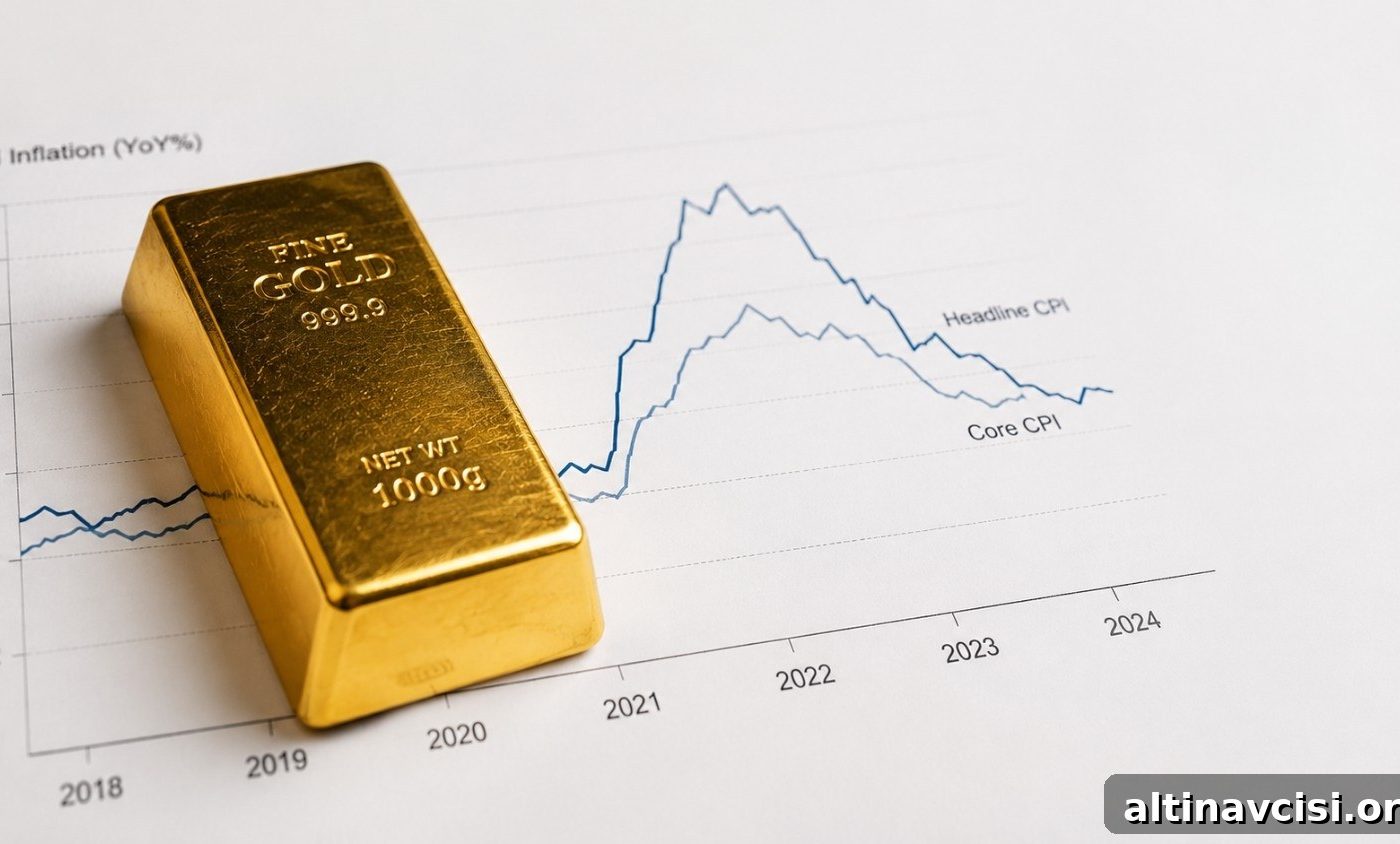
- Recent readings show a notable divergence: headline CPI was 3.4% year-over-year in July 2026 while core CPI was 2.5%, a gap that drives much of today’s policy debate.
- For investors in gold, that gap is meaningful. The Fed reacts to core measures, and those policy decisions influence real yields — the main driver of gold prices.
If you follow financial coverage even casually, you’ve probably heard reporters use “core” and “headline” inflation interchangeably. They are not the same, and the distinction matters. Headline inflation reflects the prices people actually pay for daily essentials. Core inflation filters out volatile food and energy items to highlight persistent trends. The Federal Reserve pays especially close attention to the core signal when deciding interest rates, and those rate choices affect real yields, the currency, and ultimately the price of gold and silver.
What Is Headline Inflation?
Headline inflation is the broadest measure of consumer price changes. The Consumer Price Index (CPI) headline number published by the Bureau of Labor Statistics captures average price movements across all major spending categories: groceries, gasoline, rent, healthcare, travel, dining out and apparel. Because it includes food and energy, headline inflation can swing sharply month to month when commodity prices move or supply chains are disrupted.
Headline inflation is the most direct gauge of purchasing power. When headline CPI runs higher than wage growth, household real incomes decline. For example, in July 2026 headline CPI rose 3.4% year-over-year, while monthly changes were much smaller — illustrating how volatile components can influence the headline figure.
The Knowledge That Changes Everything
Two essential guides — free. Learn why gold matters and why fiat currencies tend to lose purchasing power over time.
What Is Core Inflation?
Core inflation excludes food and energy from the basket of prices, leaving a view of goods and services whose prices tend to move more steadily. Food and energy often change for reasons outside monetary policy — weather, geopolitical events, or temporary supply disruptions — so excluding them helps reveal whether prices are rising across the economy in a persistent way.
The idea of core inflation has been in use since the 1970s. The Bureau of Labor Statistics reports both headline and core CPI each month. In July 2026, core CPI increased 2.5% year-over-year, noticeably below the headline reading. Economists and policymakers watch the gap between these measures to tell whether inflation is being driven by temporary shocks or by broader, persistent forces.
Which Inflation Measure Does the Fed Actually Use?
Officially, the Fed’s 2% target is defined in terms of headline PCE (Personal Consumption Expenditures), a price index from the Bureau of Economic Analysis. In practice, when Fed officials evaluate conditions and set policy, they place heavy weight on core PCE — the PCE measure that excludes food and energy.
PCE differs from CPI in several technical but important ways: it uses chain-weighting to reflect changing consumer choices, and it captures spending paid on behalf of consumers — such as employer- or government-funded healthcare. These methodological differences mean PCE often runs differently than CPI and is generally regarded by the Fed as a broader measure of consumer spending prices.
By mid-2026, core PCE was running well above the Fed’s 2% target, even as headline readings fluctuated. That persistent elevation in the core PCE metric is what drives the Fed’s decisions on whether to tighten or ease monetary policy.
Why the Core/Headline Gap Matters for Gold Investors
The link from inflation measures to gold prices runs through real yields: the nominal interest rate minus inflation expectations. Gold yields no interest, so when real returns on bonds and cash are low or negative, gold becomes more attractive. The Fed’s focus on core PCE determines interest rate policy, which in turn drives real yields.
When headline inflation jumps because of energy or food prices but core PCE remains subdued, the Fed may be willing to hold or even lower rates. That policy stance can compress real yields even as households face higher living costs. In that environment, gold typically gains because it preserves purchasing power relative to cash and short-term bonds.
Put simply: headline inflation shows what consumers feel; core inflation guides Fed action. For anyone allocating a portion of savings to physical gold, understanding this distinction clarifies how monetary policy choices affect the opportunity cost of holding non-yielding assets.
Stay On Top of Gold & Silver Prices
Get timely market alerts delivered to your inbox.
People Also Ask
Is core inflation or headline inflation a better measure of what I actually experience?
Headline inflation tracks the prices households pay, so it aligns more closely with everyday experience. Core inflation excludes food and energy, which are important to most families, but it helps indicate whether price pressures are broad-based or temporary. Comparing the two shows how much of inflation comes from volatile commodities versus persistent price increases across other goods and services.
Why does the Fed prefer PCE over CPI?
The PCE index covers a broader set of spending, uses chain-weighting to reflect consumer substitution, and captures healthcare costs paid on behalf of consumers. Those features make PCE a more comprehensive measure of how spending patterns and prices evolve, which is why the Fed uses it as its benchmark.
What is the difference between core PCE and core CPI?
Both exclude food and energy, but core PCE uses chain-weighting and includes more spending categories such as employer-paid healthcare. Core CPI is based on a more fixed basket. The two measures usually move together, but their levels can differ due to methodology and timing differences.
How does core inflation affect gold prices?
Core inflation matters because it shapes Fed policy. If core PCE remains elevated, the Fed is likelier to keep rates higher, which raises real yields and can pressure gold. If core PCE moderates, the Fed may ease policy, lowering real yields and supporting gold. Headline inflation affects household budgets; core inflation influences monetary policy — and monetary policy moves gold.
What does it mean when headline inflation is much higher than core?
A wide gap usually signals that volatile components, like energy or food, are driving the headline increase. That pattern often follows commodity shocks or temporary supply problems. The Fed commonly “looks through” these spikes and focuses on whether core measures show sustained inflationary pressure.
The Bottom Line: Two Numbers, One Rate Decision That Shapes Your Savings
Headline inflation shows what is happening to your cost of living. Core inflation shows what the Fed watches when it sets interest rates. Historically the two measures have often been close, but episodes of commodity shocks and persistent services inflation can create big gaps. Because the Fed prioritizes core PCE when making rate decisions, savers who hold cash can experience purchasing-power loss if headline inflation remains higher than the core measures guiding policy.
That dynamic helps explain why some investors allocate a portion of savings to physical gold: when real yields are suppressed and currencies lose purchasing power, gold tends to preserve value. Understanding the difference between headline and core inflation is therefore practical, not academic — it explains how monetary policy affects real returns on cash and bonds and why tangible assets can play a role in long-term savings strategies.
SOURCES
1. Bureau of Labor Statistics — Consumer Price Index and Employment Situation releases (July and June 2026).
2. Bureau of Economic Analysis — PCE Price Index and related publications.
3. Federal Reserve Bank of St. Louis — commentary and research on headline and core inflation measures.
4. Industry commentary and economic updates reporting on core PCE readings in mid-2026.
Disclaimer: This article is for informational purposes only and does not constitute investment advice. Past performance is not indicative of future results. Consult a qualified financial advisor before making investment decisions.
You May Also Like:
- Why Your Commodity ETF Gives You Almost No Gold — and What That Costs You
- American Gold Buffalo Coin: The Complete Guide to the U.S. Mint’s Purest Gold
- The Fed Printed $7 Trillion. Velocity Kept It Quiet. That’s Changing.
- Most 401(k)-to-Gold-IRA Rollovers Lose 20% Immediately. Here Is Why — and How to Avoid It.
- Gold Just Climbed to a 7-Week High. One Number Changed Everything.
- The Jobs Report Did What Iran Couldn’t: Move Gold and the Fed in the Same Direction
- China Has Been Buying Gold for 20 Straight Months. Now It’s Moving It.
Popular Topics
Picked from the archive
-
01
 Topics
Bond King Jeffrey Gundlach’s Gold Signal for Investors
-
02
Topics
Federal Reserve Goes Silent: Why Gold Investors Don’t Need It
-
03
Topics
Do Gold ETFs Mean You Own Physical Gold?
-
04
Topics
Gold, Silver and Stagflation: 5 Market Signals to Watch
-
05
Topics
Silver Price Outlook May 2026: Focus on Trends, Not Numbers
-
06
Topics
How the Federal Reserve Shrunk the Dollar’s Value 97% Since 1913
-
07
Topics
BEA Removed Silver From GDP: What It Means
-
08
Topics
South Korea’s Central Bank Resumes Gold Purchases After 13 Years