Silver Jewelry vs Silver Bullion: A Buyer’s Guide
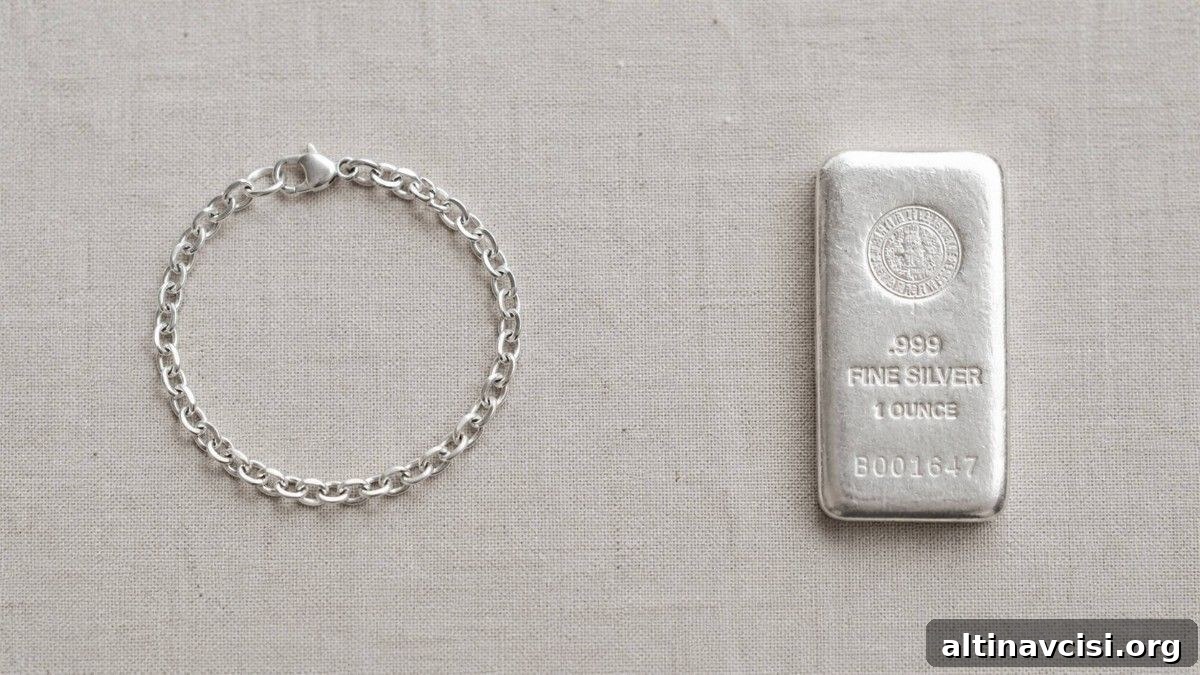
Silver jewelry and silver bullion are very different investments. Jewelry commonly carries retail markups of 200–300% above the underlying metal value and typically recovers only a small fraction of that on resale. Bullion, on the other hand, trades within a narrow premium to the live spot price and is designed to be bought, held, and sold based on metal content alone. If your goal is to protect purchasing power or build long-term wealth, the form you choose matters.
Silver has been one of 2026’s most volatile assets. It jumped to an all-time high of $121.67 on January 29 — a gain of more than 140% year-on-year — then retreated to trade in the $70s and low $80s through early May amid ongoing market and geopolitical uncertainty. Beyond price moves, many new buyers overlook a critical question: does the form of silver you buy affect your outcome? It does. A sterling silver bracelet and a one-ounce silver bar contain metal, but they behave like entirely different assets with distinct economics and resale prospects.
What Is Silver Bullion — and How Is It Different from Jewelry?
Silver bullion refers to physical silver produced primarily for investment: standardised bars, rounds, and government coins with high purity (typically .999 fine or better). Bullion value tracks the live silver spot price. When purchased from reputable dealers, bullion is sold at spot plus a modest dealer premium — commonly a small percentage in ordinary market conditions and occasionally higher during demand spikes. Government-minted coins tend to sit at the higher end of the premium range because of guaranteed purity, legal-tender status, and deep secondary-market liquidity.
Silver jewelry is a different product entirely. Sterling silver is 92.5% pure, but the metal is only one factor in the retail price. Labor, design, brand name, marketing, and retail margins typically dominate the final price. By the time a piece reaches a store shelf, markups of 200–300% above the intrinsic metal value are common. When you buy jewelry you are buying craftsmanship and brand as much as metal.
What Happens to Resale Value — Bullion vs. Jewelry?
Silver bullion typically resells close to the spot price. Dealers buy back recognisable bars and coins at bid prices that are only a few percentage points below spot; that spread often narrows as prices rise. This creates a narrow, predictable resale gap for standardised bullion.
Jewelry behaves very differently. A scrap or melt buyer will weigh the piece, calculate the metal content, and pay the melt value — often at or below spot — while disregarding design, packaging, and retail price. For example, a $150 sterling bracelet that contains roughly 30 grams of silver at .925 purity might only hold about $72 of silver at current spot levels, a fraction of its retail cost, before the buyer applies their margin. Exceptions exist: certain high-end brands or rare vintage items can retain brand-driven premiums, but typical retail pieces do not.
Is Silver Jewelry a Good Investment?
The short, honest answer: for most buyers, no — jewelry is not designed to be an investment. It is made to be worn and enjoyed, and that is its real value.
When jewelry can make sense: If you intend to wear the piece and derive personal enjoyment from it, jewelry is appropriate. In some regions and cultures — notably parts of South Asia and the Middle East — high-purity silver jewelry sold and bought by weight functions as a longstanding form of savings. High-end designer pieces with genuine collector demand and verified provenance can also hold or increase in value.
Where the investment case fails: For many Western retail purchases, the economics are unfavourable. You pay substantial retail markups and recover only melt value on resale. Sterling is an alloy, not pure metal, which reduces intrinsic value per gram compared with .999 fine bullion. Retail jewelry is harder to price and authenticate and typically much slower to sell than standardised bullion. Additionally, declining consumer demand for silver jewelry in some markets can further weaken resale prospects.
Why Do Serious Silver Investors Choose Bullion?
Serious investors choose bullion because it is the most liquid, transparent way to own physical silver. Bullion offers standardised weights, high and verifiable purity, and recognisable mint or manufacturer marks that dealers worldwide can price on sight. That transparency reduces transaction friction and helps preserve value relative to spot.
The broader market backdrop in 2026 strengthens the bullion case: analysts report ongoing supply deficits and significant draws on above-ground inventories, while physical bar and coin demand has risen. These structural factors support bullion’s role as a vehicle for exposure to silver’s supply-demand dynamics. That said, bullion carries trade-offs: it has no wearable or sentimental value, storage and insurance add cost, and larger bars, while cheaper per ounce, are less flexible to liquidate. Buyers must accept silver’s volatility and treat bullion as a commodity investment rather than a savings account.
Bullion or Jewelry — Which Is Right for You?
Choose jewelry if you want something beautiful to wear and enjoy. Choose bullion if your goal is to hold silver as a financial asset: to preserve purchasing power, hedge inflation, or participate in a market influenced by structural supply deficits and industrial demand.
If investment is your objective, the practical rule is simple: buy silver close to spot in a standardised form you can sell close to spot. That typically means .999 fine bars, rounds, or recognised government coins — not sterling jewelry. The craftsmanship and retail markup you pay for jewelry rarely return to you on resale, regardless of how silver prices move.
What Drives Silver’s Value Over Time — for Bullion vs. Jewelry?
Bullion is driven primarily by the live spot price of silver. Its market value is transparent and updated in real time. Secondary influences include liquidity, dealer spreads, and, in rare cases, numismatic premiums for limited mint issues.
Jewelry depends on many moving parts: metal content, brand equity, condition, provenance, and fashion trends. These factors often pull value in different directions. Most retail pieces depreciate immediately because retail markups are not recoverable on the secondary market. Only genuinely collectible or rare pieces can maintain a premium above melt value, and identifying those requires specialist knowledge.
Stay On Top of Gold & Silver Prices
Get market alerts delivered to your inbox.
People Also Ask
What are the key differences between silver jewelry and silver bullion?
Silver bullion is investment-grade metal—standardised bars, coins, and rounds with high purity—priced close to the spot market with modest dealer premiums. Silver jewelry includes design, labor, and brand, and is commonly priced well above the metal’s intrinsic value. Their purposes differ: bullion for preservation and liquidity, jewelry for wear and aesthetic value.
Is silver bullion a better investment than silver jewelry?
For pure investment goals, bullion is generally superior because it tracks the spot price closely and can be resold near spot by dealers. Jewelry usually resells at scrap (melt) value, often significantly below the original retail price.
What factors affect the value of silver jewelry compared to bullion?
Bullion value is driven by spot price and market liquidity; jewelry value depends on metal content, brand, condition, provenance, and shifting consumer demand. Those additional factors make jewelry harder to value and less reliable as an investment.
How does the resale value of silver jewelry compare to silver bullion?
Bullion resells at or near spot with a small dealer spread. Jewelry typically resells at the melt value of its metal content, which for sterling pieces can be much less than the retail purchase price. High-end designer or antique jewelry is an exception rather than the rule.
So Which Should You Actually Buy?
Both jewelry and bullion contain silver, but they serve different needs. If you want something to wear and enjoy, buy jewelry. If you want to hold silver as a financial asset—to hedge inflation, preserve purchasing power, or gain exposure to supply-demand fundamentals—buy standardised bullion. A sterling bracelet and a one-ounce silver bar may contain similar metal weight, but what you pay and what you can recover on resale are worlds apart. For investment purposes, aim for transparent pricing close to spot and a form that can be sold close to spot.
Sources
1. GoldSilver.com — Silver Spot Price vs Retail: What Investors Need to Know
2. Silver Recyclers — Sterling Silver Melt Value Calculator
3. Silver Institute — World Silver Survey 2026
4. The Street — The Troubling Silver Supply Problem Most Investors Are Missing
5. Carbon Credits — Silver in 2026 and Beyond
6. GoldSilver.com — Silver Price Forecast 2026–2027
Disclaimer: This article is for informational and educational purposes only and does not constitute investment advice. Consult a qualified financial adviser before making investment decisions.
You may also like:
- Gold and Oil Move Opposite Ways — Why That Matters
- 7 Timeless Warren Buffett Rules for Gold & Silver Investors
- Gold vs. Bitcoin: Which Hard Asset Will Protect Your Wealth?
- Why Central Banks Sell Gold — And What It Means for Prices
- Why Gold Deserves a Permanent Spot in Your Portfolio
- Silver vs. Gold: A Clear 5-Year Investment Guide (2026–2031)
- $5,500 Gold by Q1 2027? The Central Bank Risk Behind the Forecast
- Why Gold Stabilizes — and Silver Amplifies
Popular Topics
Picked from the archive
-
01
 Topics
Gold Weekly: $9T Swing, Trump Fed Nominee, Record Premiums
-
02
Topics
Silver Price Near $80 as Iran Ceasefire Revives Rate-Cut Hopes
-
03
Topics
Bond King Jeffrey Gundlach’s Gold Signal for Investors
-
04
Topics
Gold-to-Silver Ratio Widens: Why Investors Misread It
-
05
Topics
Swiss Gold Exports Surge to the US Ahead of 39% Tariff
-
06
Topics
Why Central Banks Are Buying Gold Again and What It Means
-
07
Topics
Gold Rally 2026: Why Prices Are Set to Rise
-
08
Topics
Why a Stalled Federal Reserve Matters for Gold Prices