Why Silver Is Leaving COMEX Vaults and What Investors Overlook
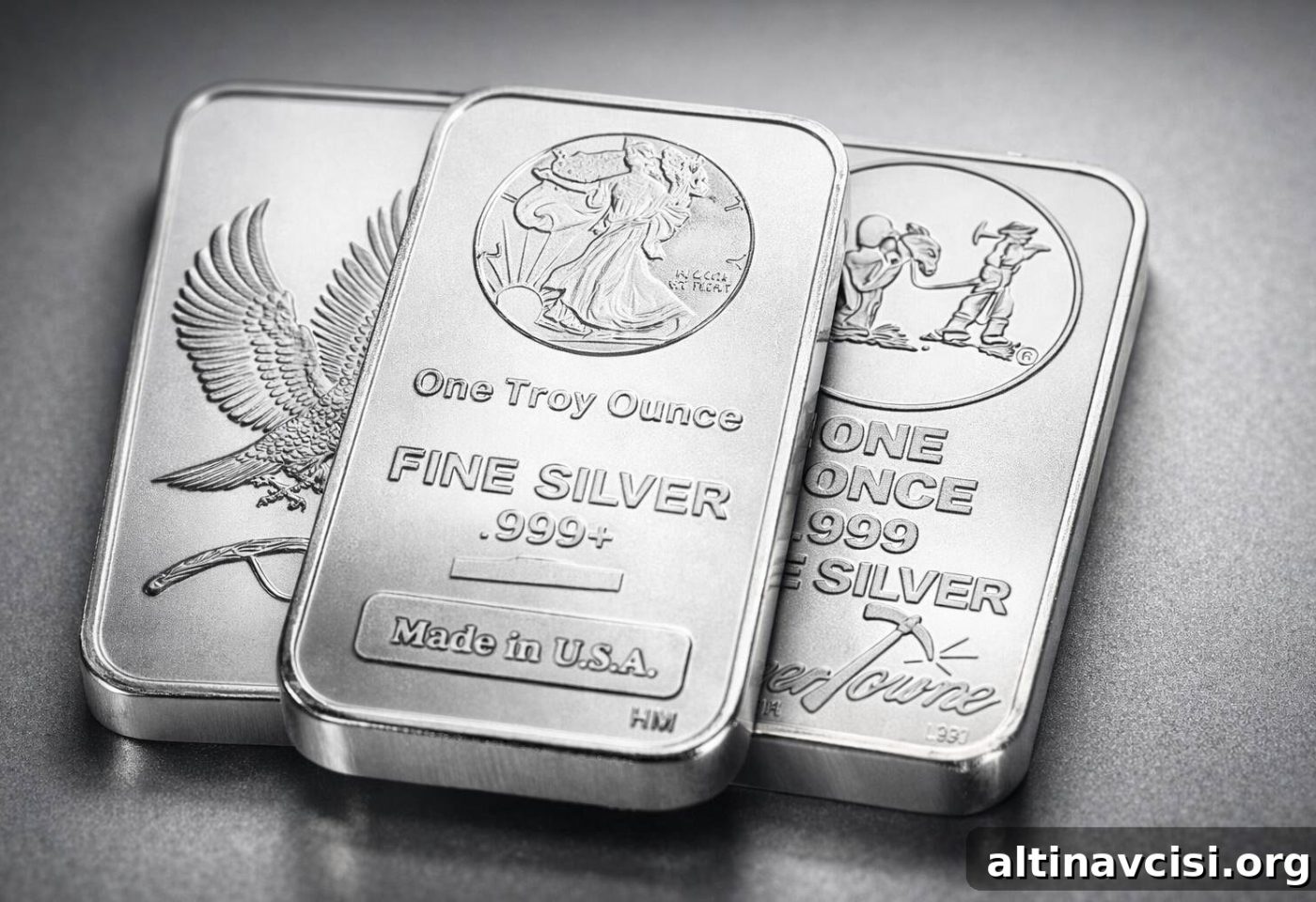
If you follow silver markets online, you’ve probably seen the same story repeated: COMEX inventories are falling, deliveries are rising, and physical metal is supposedly disappearing from vaults. Many commentators argue this must precede a major silver price breakout.
That narrative prompts a common investor question: Why is silver leaving COMEX vaults, and does it signal a looming supply crunch?
The reality is more nuanced. Changes in COMEX inventory reports don’t always mean what they appear to mean. Often the headline numbers only tell part of the story. Understanding how the COMEX system works helps investors avoid chasing misleading signals and focus on the fundamentals that actually move silver prices.
First: What the COMEX Vault Data Actually Shows
The COMEX (Commodity Exchange) is a key venue for trading silver futures contracts and it publishes weekly reports showing how much silver is stored in COMEX-approved vaults. Those vault inventories are split into two main categories:
- Registered silver — metal with a warehouse warrant attached, meaning it is available for delivery against a futures contract.
- Eligible silver — metal that meets COMEX standards and is stored in approved vaults but is not currently registered for delivery.
Many online debates focus on the level of registered silver and whether it is rising or falling. When registered inventory declines, it’s often described as metal “leaving the system.” But that interpretation can be misleading: in many cases the bars never leave the vaults — they simply change accounting status.

Expert Insight from Alan HibbardAlan Hibbard explains how COMEX mechanics work and why inventory reports are often misread by investors.
Why Silver Moves Between “Eligible” and “Registered”
A primary source of confusion is the distinction between eligible and registered metal. Attaching a warehouse warrant to a silver bar makes it registered. Removing that warrant returns the same bar to eligible status. The metal itself can remain in the exact same vault the entire time. In practice, inventory shifts often reflect administrative changes on paper rather than trucks hauling bullion away.
Deliveries Don’t Mean Metal Is Moving
Another point that causes misunderstanding is the term “delivery.” In everyday usage delivery implies physical transport. On COMEX, delivery usually refers to a transfer of ownership: the warehouse warrant changes hands. The physical silver often remains in the same vault. So large reported delivery volumes do not necessarily indicate that metal has left the COMEX vault system.
Does Falling COMEX Inventory Predict Higher Prices?
It’s tempting to equate falling COMEX inventories with a tightening of supply and therefore higher prices. However, the historical relationship between COMEX inventory levels and silver prices is inconsistent. There have been periods when registered inventories fell while prices also fell, times when inventories rose alongside prices, and intervals where inventories shifted with little or no impact on price.
This inconsistency means COMEX inventory data alone is not a reliable predictor of silver price movements. The data can be useful, but only when interpreted alongside broader market signals.
What Actually Drives Silver Prices
Rather than relying solely on vault reports, investors generally get clearer guidance by watching macroeconomic and demand-side factors. Key drivers of silver prices include:
- Monetary policy and real interest rates — interest rate expectations and central bank actions influence precious metals.
- Inflation expectations — rising inflation anticipation can increase demand for silver as an inflation hedge.
- Currency strength, especially the U.S. dollar — a weaker dollar often supports higher metal prices.
- Industrial demand for silver — silver’s role in electronics, solar panels, and other industrial uses affects long-term fundamentals.
- Investment demand during financial stress — safe-haven or speculative buying can push prices up quickly during crises.
These factors tend to move silver prices more reliably than short-term changes in COMEX warehouse tallies.
The Bigger Lesson for Silver Investors
When markets get noisy, investors look for simple signals offering clear answers. COMEX inventory reports can feel like such a signal, particularly when presented as evidence of an impending supply squeeze. But the silver market is complex, and numbers presented without context are easy to misread.
If you’ve wondered why silver is leaving COMEX vaults, remember this: COMEX reports reflect inventory accounting inside the futures system — not necessarily the physical movement of metal around the world. Keeping that distinction in mind helps investors focus on the broader economic drivers that truly influence price and avoid being distracted by partial or misleading metrics.
Further Explanation
Alan Hibbard and other market analysts have outlined these mechanics in detail to help investors separate administrative inventory changes from genuine physical shortages. Understanding how warrants, registration, and delivery procedures work on COMEX will make it easier to interpret inventory reports and assess whether a reported change matters for the market.
People Also Ask
Why is silver leaving COMEX vaults?
Silver inventory shifts on COMEX often reflect changes in administrative status between “registered” and “eligible.” That means the metal does not always physically leave vaults when inventory numbers change.
What is the difference between eligible and registered silver?
Registered silver has a warehouse warrant attached and is available for delivery against futures contracts. Eligible silver meets standards and sits in approved vaults but is not currently registered for delivery. The distinction is mainly administrative.
Do COMEX silver deliveries mean physical silver is moving?
Not necessarily. On COMEX, a delivery typically indicates a transfer of ownership via the warehouse warrant. The physical silver often remains in the same vault.
Does falling COMEX silver inventory mean prices will rise?
A decline in COMEX inventory does not reliably predict higher silver prices. Historical examples show prices have moved in various directions while inventories changed. Broader macroeconomic indicators usually provide stronger signals.
What actually drives the price of silver?
Silver prices are primarily influenced by monetary policy, real interest rates, inflation expectations, the strength of the U.S. dollar, industrial demand, and investment flows during periods of financial stress. These macro drivers typically matter more than short-term fluctuations in warehouse inventories.
This article is for informational purposes only and does not constitute financial or investment advice. Past performance is not indicative of future results. Consult a qualified financial advisor before making investment decisions.
You May Also Like:
- How Gold Performs in Recessions: What History Tells Us
- Gold vs Inflation: What 100 Years of Data Shows
- Why Silver Is More Volatile Than Gold (And Why It Matters for Investors)
- Silver Bars vs. Silver Coins: Which Is the Better Investment?
- Gold vs. Silver: Roles, Risks, and Portfolio Strategy
Popular Topics
Picked from the archive
-
01
 Topics
How COMEX Sets Gold Prices and Moves Global Markets
-
02
Topics
UBS Warns Investors: USD Unattractive After 10% Annual Drop
-
03
Topics
Dollar Hits Multi-Year Low as $3.3T Trump Budget Spurs Debt Risk
-
04
Topics
Trump Targets Powell Over Fed Spending, White House Tensions Rise
-
05
Topics
How to Invest in Silver: A Practical Guide to Growing Wealth
-
06
Topics
Tariff Burden Shifts to Consumers, Could Push Inflation to 3.2%
-
07
Topics
Silver Could Double in 2025 as Dollar Dominance Fades
-
08
Topics
Market Update: Gold Steady, Shoppers Cautious, Nvidia Scrutinized