Dollar Hits Multi-Year Low as $3.3T Trump Budget Spurs Debt Risk
U.S. Dollar Slides as Markets React to Trump’s $3.3 Trillion Plan and Fed Outlook
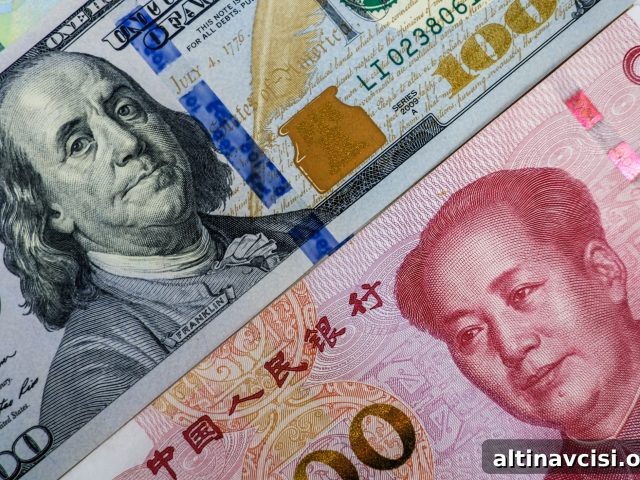
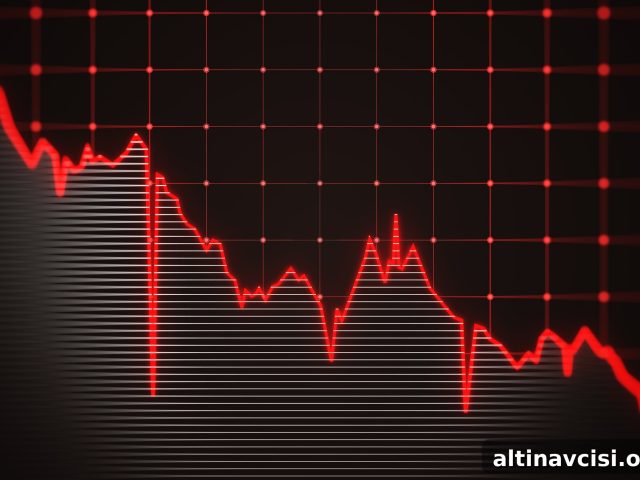
The U.S. dollar fell sharply on Tuesday, with some of the biggest moves seen against the Japanese yen and the Swiss franc. The selling pressure pushed the dollar to a 10-year low versus the Swiss franc and took it close to a one-month low against the yen. At the same time, the euro strengthened to its highest level since late 2021, reflecting broad currency market adjustments as investors weighed the economic and policy implications of recent U.S. developments.
Why the Dollar Weakened
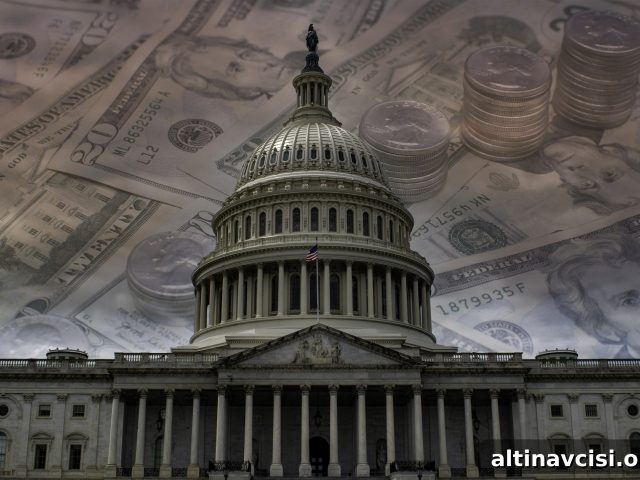
Several factors combined to weaken the dollar. Central among them were growing fiscal concerns following President Trump’s proposed $3.3 trillion package of tax cuts and increased spending. Market participants viewed the plan as likely to add substantially to U.S. government debt, raising questions about future fiscal stability and the outlook for U.S. interest rates.
Political tensions surrounding monetary policy also contributed. President Trump’s criticism of the Federal Reserve has added uncertainty about the central bank’s independence and long-term strategy. That uncertainty, coupled with doubts about the policy mix between fiscal expansion and central bank decisions, encouraged investors to reassess the dollar’s near-term outlook.
Safe-Haven and Regional Dynamics
Currency markets often respond to perceived risk and uncertainty by favoring safe-haven currencies. In this episode, the Swiss franc and Japanese yen benefited as investors sought refuge amid doubts over U.S. fiscal direction and trade policy. Their relative gains versus the dollar reflected both safe-haven flows and specific regional dynamics, with market participants recalibrating positions across a range of assets.
Meanwhile, the euro’s rise to its strongest point since late 2021 indicates that investors are also differentiating among currencies based on growth expectations, monetary policy divergence, and geopolitical factors. Stronger demand for euros suggests a broader shift in sentiment away from the dollar as the sole safe or preferred reserve currency in this environment.
Interest Rate Expectations and Market Reaction
Expectations about U.S. interest rates shifted noticeably after the fiscal package was unveiled. Investors moved to price in a more aggressive path of rate reductions from the Federal Reserve this year, reflecting the concern that larger fiscal deficits could eventually weigh on long-term growth and inflation dynamics. One prominent investment bank adjusted its forecast accordingly, predicting three rate cuts this year instead of a single reduction—an outlook that would typically weigh on the dollar if realized.
These changing rate expectations feed directly into currency valuations. If markets believe the Fed will loosen policy sooner or more substantially than previously anticipated, yields on U.S. assets could decline relative to abroad, reducing the appeal of dollar-denominated investments.
Implications for Markets and Businesses
A weaker dollar carries mixed implications. U.S. exporters may benefit from a more competitive currency, while importers and consumers could face higher costs for foreign goods and services. Global investors will monitor how fiscal and monetary policies evolve in response to the proposed tax and spending measures, since any change in expectations can quickly shift flows across currencies, bonds, and equities.
Policy clarity will be critical in the coming weeks. Markets are likely to remain sensitive to announcements on fiscal details, trade negotiations, and any statements from the Federal Reserve. Until that uncertainty recedes, currency volatility may persist as traders and institutional investors adjust positions to reflect new assessments of risk, growth, and interest rate trajectories.
Outlook
For now, the dollar’s downward move reflects a combination of fiscal worries, political pressure on monetary authorities, and shifting rate expectations. If future developments reduce fiscal uncertainty or the Fed signals a different course, the dollar could stabilize. Conversely, further escalation of fiscal or political uncertainty could keep pressure on the currency, supporting gains in safe-haven currencies like the yen and franc and continued strength in the euro.
Popular Topics
Picked from the archive
-
01
 Topics
Gold Falls to 3,300 as Strong Dollar, Inflation Hits Markets
-
02
Topics
13 Countries Adopt Yuan, Challenging Dollar Dominance
-
03
Topics
US Initial Jobless Claims Jump to 240,000
-
04
Topics
What’s Driving Gold Volatility: Trade Tensions or Inflation?
-
05
Topics
Why Investors Are Treating Gold as a Strategic Asset Again
-
06
Topics
Gold Prices Fall from Records as US-China Tensions Ease
-
07
Topics
Markets Doubt Trump’s Ability to Balance Tax Cuts and Spending
-
08
Topics
Global Central Banks Slow Gold Buying as Prices Reach Record Highs