Silver Tops $60 as Central Banks Boost Gold Reserves
Daily News Nuggets | Today’s top stories for gold and silver investors
December 10th, 2025
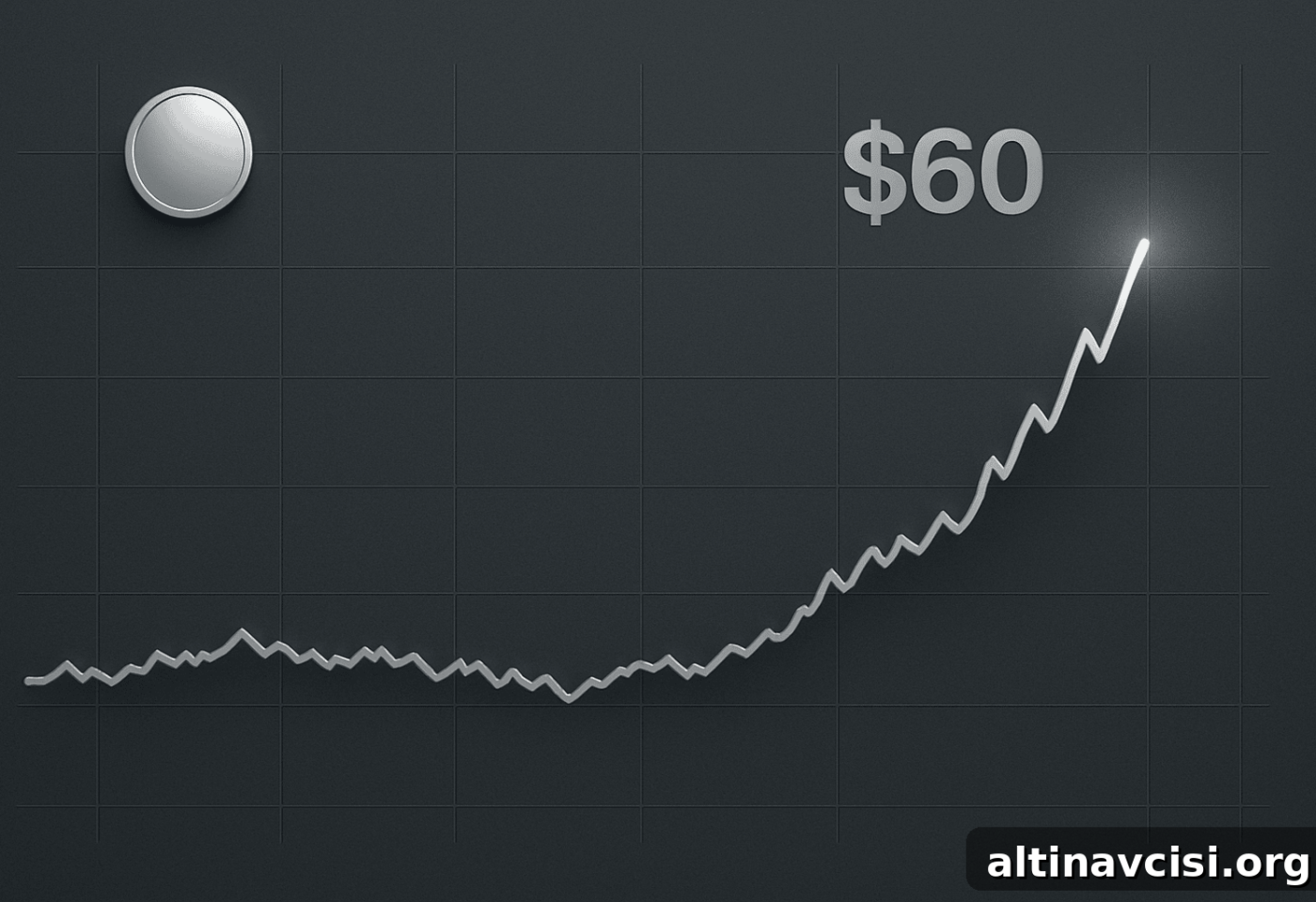
Silver Breaks $60 for First Time in History
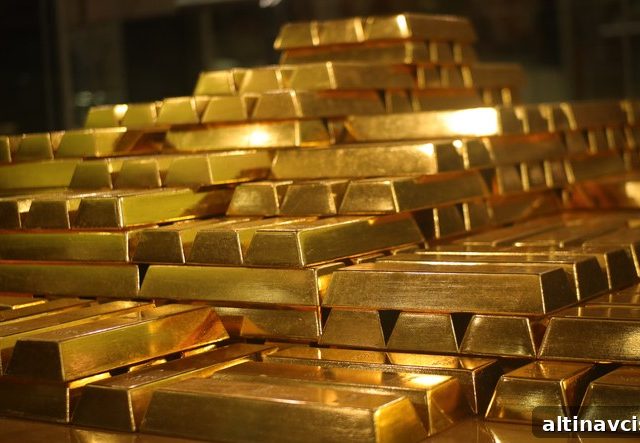
Silver surged to record highs this week, topping $60 per ounce for the first time. The metal reached an intraday peak of $61.44, capping a year in which silver more than doubled in value while gold rallied roughly 60%.
Several factors are driving this historic run. Expectations of Federal Reserve rate cuts have increased demand for non-yielding assets, while a softer U.S. dollar has made precious metals more attractive to global buyers. At the same time, robust industrial demand from solar panel manufacturing, electric vehicles and advanced electronics—especially chips used in artificial intelligence—continues to underpin consumption.
Physical supply has tightened sharply. Silver is experiencing its seventh consecutive year of supply deficits, and London vault inventories have fallen from about 31,000 metric tons in 2022 to near 22,000 metric tons today. That shortage has pushed borrowing costs for physical metal dramatically higher—reports show rates spiking to the equivalent of roughly 200% annualized in some short-term financing markets—forcing traders to rush physical shipments to meet delivery commitments.
The gold‑to‑silver ratio has narrowed to levels last seen in 2021, which has prompted investors who cannot access gold at current prices to seek similar inflation and crisis-hedging benefits in silver at a lower cost. Institutional buyers and funds are increasingly active alongside retail investors, amplifying price momentum. Given the combination of tight physical availability and rising industrial use, analysts see silver remaining a focal point for precious-metals investors into 2026.
Stay On Top of Gold & Silver Prices
Get important market alerts sent straight to your inbox.
Central Banks Ramp Up Gold Buying to Highest Level This Year
Central banks accelerated their purchases of gold in October, adding 53 tonnes—the largest monthly total recorded so far this year. Poland and Brazil were among the most active buyers, each boosting reserves by 16 tonnes. For Poland, those purchases raised state holdings to a new record of 531 tonnes, while Brazil continued a multi-month buying program after a pause of several years.
Year-to-date purchases through October total about 254 tonnes, placing 2025 among the strongest years for central bank accumulation this century. More broadly, central banks have purchased more than 1,000 tonnes annually since 2022, a pace that is well above their 2015–2019 average. This sustained buying reflects a strategic effort to diversify reserves away from dollar-denominated assets amid geopolitical uncertainty and shifting global trade dynamics.
That shift in reserve management has had market implications: for the first time since the mid-1990s, central bank allocations to gold now rival or exceed some holdings in traditional sovereign assets. Such structural demand supports higher gold prices and reinforces precious metals’ role in official portfolios as a hedge against currency and inflation risk.
Trump Sets “Immediate” Rate Cuts as Litmus Test for Next Fed Chair
President Trump this week said his choice for the next Federal Reserve chair must support “immediate” rate cuts. He stated that quick reductions in borrowing costs would be a primary criterion when considering who should replace Jerome Powell when his term ends in May. That public stance raises the political stakes around the Fed nomination process and could influence markets that price Fed policy expectations.
Trump has been openly critical of Powell’s timing on policy, and some advisers aligned with the president argue that current economic readings justify near-term easing. At the same time, leading candidates have signaled a desire to preserve central bank independence and avoid pre-committing to future moves. The tension between calls for rapid easing and the Fed’s mandate to balance inflation and labor-market concerns increases uncertainty about the policy path ahead.
Rate Cuts Won’t Fix What’s Broken in the Housing Market
Even if the Fed implements rate cuts, mortgage borrowers may see little immediate relief. Mortgage interest rates generally follow 10‑year Treasury yields, which respond to inflation expectations and economic growth as much as to Fed policy. After the Fed cut rates earlier this year, 30‑year mortgage rates actually rose in the weeks that followed, underscoring the disconnect.
A meaningful reduction in mortgage costs would likely require long-term yields to fall sharply—estimates suggest a drop of about 100 basis points to push average 30‑year rates toward roughly 5.5%. Complicating matters, the vast majority of existing mortgages carry rates near 4.1%, while new loans are priced close to 6.5%. That roughly 200‑basis‑point spread discourages many homeowners from selling, tightening supply and keeping prices elevated. As a result, limited inventory and affordability pressures will likely persist, and many forecasters expect mortgage rates to remain above 6% through 2026.
Trump Announces $12 Billion Farm Bailout as Tariffs Bite
President Trump unveiled a $12 billion aid package for U.S. farmers in response to mounting pressure from tariff-related market disruptions. The program allocates roughly $11 billion in one-time payments to producers of major row crops and about $1 billion for specialty crops, with payments expected to be distributed by late February.
Although the administration framed the assistance as funded by tariff revenues, the funds will be drawn from a USDA emergency account, meaning they come from taxpayer resources. The bailout responds to a string of export setbacks—most notably a temporary halt in soybean purchases from a major buyer during parts of the year—and rising input costs such as equipment and fertilizer. Agricultural economists describe the package as short-term relief; while it helps producers in the near term, many say it does not resolve the structural pressures that weakened exports and raised production costs.

The Financial System Isn’t Safer — And You Know It
As risks mount, learn why gold and silver are expected to remain central to portfolios in 2026 and beyond.
Popular Topics
Picked from the archive
-
01
 Topics
Trump Urges Rate Cuts While Fed Likely Holds Interest Rates
-
02
Topics
Gold Surges 27% YTD as Fed Divide and Tariffs Fuel Rally
-
03
Topics
Market Update: Gold Steady, Shoppers Cautious, Nvidia Scrutinized
-
04
Topics
Trump Sets August 1 Tariff Deadline as BRICS Push Back
-
05
Topics
Gold in Recessions: Historical Performance for Investors
-
06
Topics
Trump $2,000 Stimulus Checks, Auto Loan Crisis and Silver Rally
-
07
Topics
Asia’s Ultra-Rich Turn to Gold as Demand Soars
-
08
Topics
Gold Prices Fall Despite US-Israel Strikes on Iran Nuclear Sites