Gold Prices Fall Despite US-Israel Strikes on Iran Nuclear Sites
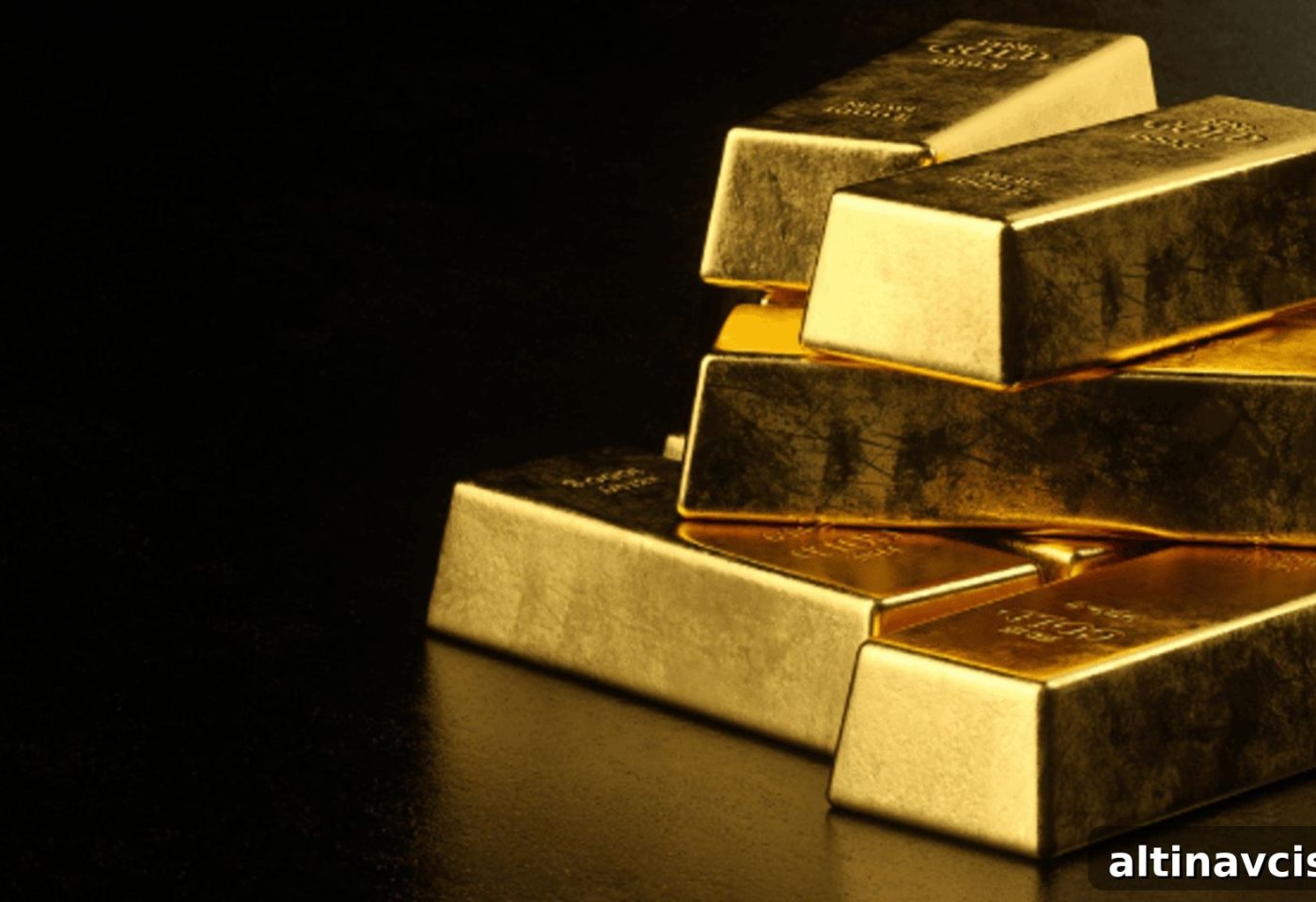
Gold Falls Despite Escalating Middle East Tensions
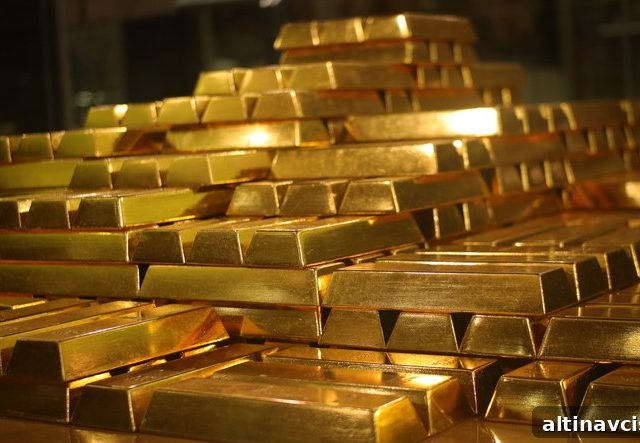
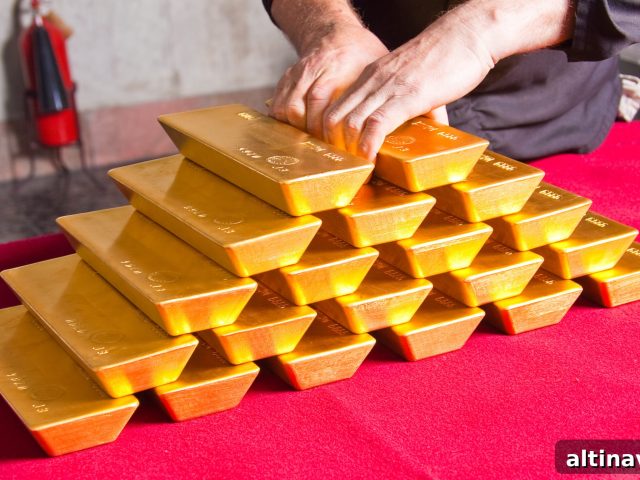
Gold retreated to around $3,355 per ounce after an early-day gain of roughly 0.8%, following reports that the United States and Israel carried out strikes on Iranian nuclear sites over the weekend. Although geopolitical risk typically supports gold as a safe-haven asset, the metal did not sustain its rally and instead reversed course as the U.S. dollar strengthened.
Why Gold Didn’t Rally as Expected
There are two primary reasons traders and investors hesitated to push gold significantly higher in the wake of the attacks. First, market participants appeared unconvinced that the conflict would immediately broaden into a wider regional war. At the time, Iran had not launched a significant retaliatory response, and observers noted an absence of overt backing from other major powers that might escalate the situation. This tempered the immediate demand for safe-haven assets.
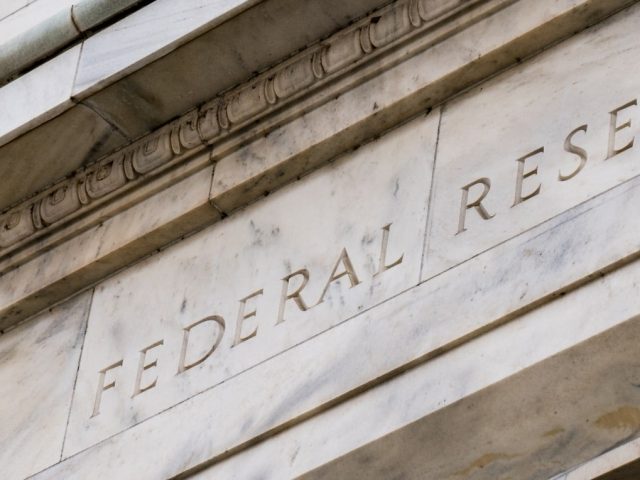
Second, the prospect of stronger inflation — which might normally support gold — also raises the possibility that the Federal Reserve will keep interest rates elevated. Gold does not pay interest or dividends, so when real yields are higher or expected to rise, the opportunity cost of holding gold increases. In short, a spike in inflation driven by higher oil prices can prompt central banks to maintain restrictive monetary policy, a dynamic that can limit gold’s upside.
How Dollar Strength and Interest-Rate Expectations Affect Gold
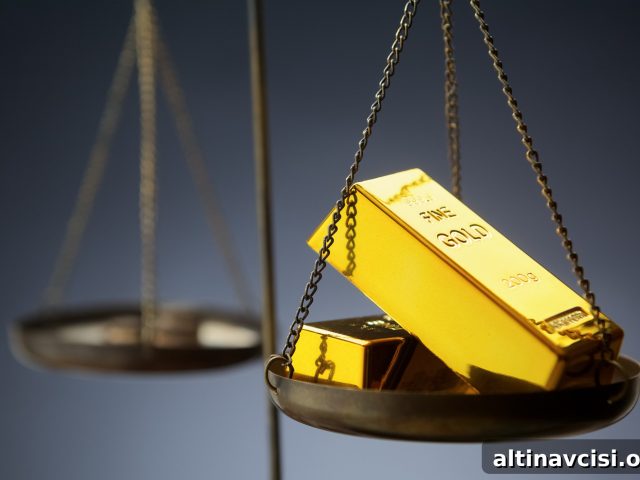
Gold is priced in U.S. dollars, so movements in the greenback strongly influence bullion prices. A stronger dollar makes gold more expensive in other currencies, which can weaken global demand and exert downward pressure on the metal. At the same time, expectations for higher interest rates raise the appeal of yield-bearing assets relative to non-yielding gold.
Market reactions often reflect a balance of these forces: geopolitical risk pushes investors toward safety, while central-bank policy and currency moves pull in the opposite direction. On this occasion, the dollar’s appreciation and the prospect of sustained higher rates appeared to outweigh the safe-haven impulse.
Energy Prices, Inflation, and the Fed
Another channel linking geopolitical events to gold is the energy market. Escalation that threatens oil supply tends to lift crude prices, which can feed into broader inflation measures. Higher inflation can be supportive for gold in the long run, since bullion is often viewed as an inflation hedge. But in the near term, rising inflation that prompts a hawkish response from the Federal Reserve can lead to higher real interest rates — a headwind for gold.
The Bigger Picture: Gold’s Strong Year-to-Date Performance
Despite the recent setback, gold has enjoyed a very strong year overall. It has risen nearly 30% year to date and was trading about $145 below its April record high. Those gains reflect a combination of persistent global uncertainty, continuing central-bank liquidity and policy decisions, and investor flows into metal-backed funds and physical bullion.
Analysts and strategists continue to view the metal’s longer-term outlook as supportive, citing ongoing geopolitical risks and an uncertain macroeconomic backdrop. However, the path for gold remains sensitive to two powerful countervailing forces: movements in the U.S. dollar and the trajectory of interest rates.
What Investors Are Watching Now
- Any sign of escalation or retaliation that could broaden the conflict and increase safe-haven demand.
- Developments in oil markets that might lift inflation expectations.
- Comments and data that affect Federal Reserve policy expectations, especially inflation and employment reports.
- Dollar direction, which will influence gold’s attractiveness for overseas buyers.
Conclusion
Gold’s brief decline in the face of Middle East tensions highlights how multiple market forces interact. Geopolitical risk can push investors toward bullion, but dollar strength and interest-rate expectations can offset that demand. With gold up significantly this year and still close to record levels, the metal remains an important asset for investors seeking diversification and protection against uncertainty. Its near-term direction will depend on whether risk perceptions intensify and how central banks respond to shifting inflation and growth signals.
Popular Topics
Picked from the archive
-
01
 Topics
76% of Central Banks to Increase Gold Reserves, WGC Survey Finds
-
02
Topics
Oil Rises on U.S.-China Deal Hopes as Saudi Cuts China Supply
-
03
Topics
Gold Tops $3,500 as Trump-Powell Tensions Rattle Markets
-
04
Topics
Clash Between White House and Fed Stokes Economic Uncertainty
-
05
Topics
Harmony Gold Acquires Mac Copper for $1B to Enter Copper Market
-
06
Topics
Trump Won’t Fire Powell but Threatens Interest Rate Action
-
07
Topics
Poll: Americans Brace for Higher Prices as Trump’s Tariffs Start
-
08
Topics
Bessent Signals Tougher Trade Stance as Deal Talks Stall