Trump Urges Rate Cuts While Fed Likely Holds Interest Rates

Trump Calls for Rate Cuts, But Economists Say Fed Will Hold Steady
President Trump has publicly urged Federal Reserve Chair Jerome Powell to lower interest rates, renewing political pressure on the central bank. Despite these calls, many economists and market observers do not expect a rate cut at the Fed’s upcoming policy meeting.
What the Fed Is Likely to Do
Current consensus anticipates the Federal Reserve will maintain the federal funds rate in the range of 4.25% to 4.5% at its next meeting. That stance reflects the Fed’s ongoing effort to bring inflation closer to its target while monitoring the overall health of the economy. Keeping rates steady signals a cautious approach: neither loosening policy to stimulate growth nor tightening further to slow price pressures.
Why Economists Expect No Immediate Cut
Economists point to several reasons why an immediate rate cut is unlikely. First, inflation remains a central concern. Although inflation has moderated from its peak in prior years, the Federal Reserve remains focused on ensuring that price growth returns sustainably to target levels. Second, economic indicators suggest the U.S. economy has continued to show resilience. Maintaining rates helps the Fed verify that inflation is firmly on a downward path without reigniting price pressures.
Powell’s Caution and Fed Independence
Federal Reserve Chair Jerome Powell has emphasized the importance of data-driven decision-making and institutional independence. While political leaders, including President Trump, can voice opinions about monetary policy, the Fed traditionally operates without direct political interference. Powell’s cautious stance reflects the Fed’s dual mandate to promote maximum employment and price stability, and its tendency to act based on evolving economic data rather than political signals.
The Tariff Factor and Inflation Risk
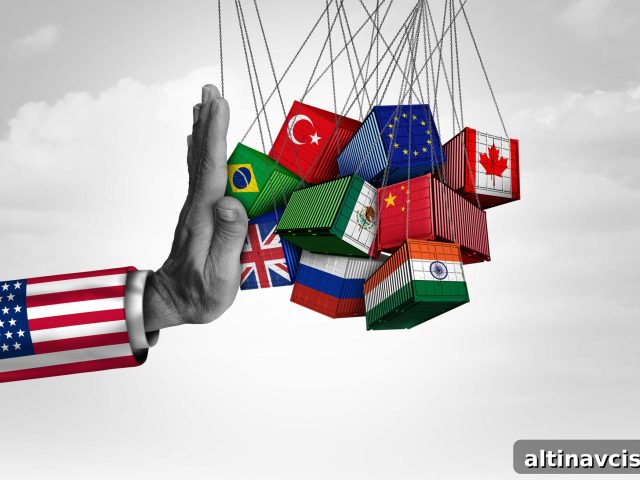
One specific concern influencing the Fed’s caution is the potential inflationary impact of new tariffs. Tariffs on imported goods can raise costs for consumers and businesses, passing through into higher consumer prices. If tariffs increase input costs across key sectors, that could complicate the Fed’s task of reducing inflation. The possibility of tariffs pushing prices higher is a significant variable for policymakers weighing whether to loosen monetary policy.
Market Expectations and Future Outlook
Financial markets and professional forecasters typically price in the Fed’s probable actions based on incoming data—employment reports, inflation readings, and signs of economic growth or slowdown. While a hold at the upcoming meeting is widely expected, the timing of any future rate cuts will depend on whether inflation continues to move downward and whether economic activity remains stable.
Balancing Act Ahead
The Federal Reserve faces a delicate balancing act: it must be attentive to inflation risks while avoiding actions that could destabilize the labor market or jeopardize economic growth. For now, policymakers appear inclined to wait for clearer evidence that inflation has sustainably eased before changing their policy stance. That approach helps preserve the Fed’s credibility in its inflation-fighting role and reduces the risk of premature easing that might require later tightening.
In short, despite President Trump’s calls for rate cuts, the combination of ongoing inflation concerns, the potential effects of tariffs, and the need for data-confirmation lead economists to expect the Fed will keep rates steady at 4.25%–4.5% in the upcoming meeting. Future adjustments will hinge on how inflation and broader economic conditions evolve.
Popular Topics
Picked from the archive
-
01
 Topics
ECB Reaches 2% Inflation Target in June as Eurozone Prices Hold
-
02
Topics
Trump Threatens EU With 250% Tariffs on Pharmaceuticals
-
03
Topics
Trump Threatens 10-15% Tariffs on Over 150 Countries
-
04
Topics
Trump’s 50% Tariff Threat Sparks Stock Market Turmoil
-
05
Topics
Record Trade Deficit Pushes US GDP Down 0.2%
-
06
Topics
Why Gold Is Defying Market Signals in 2025
-
07
Topics
Why Bond Experts Draw Parallels Between Today’s Fed and the 1930s
-
08
Topics
How He Lifeng Is Rewriting China’s Playbook to Counter Trump