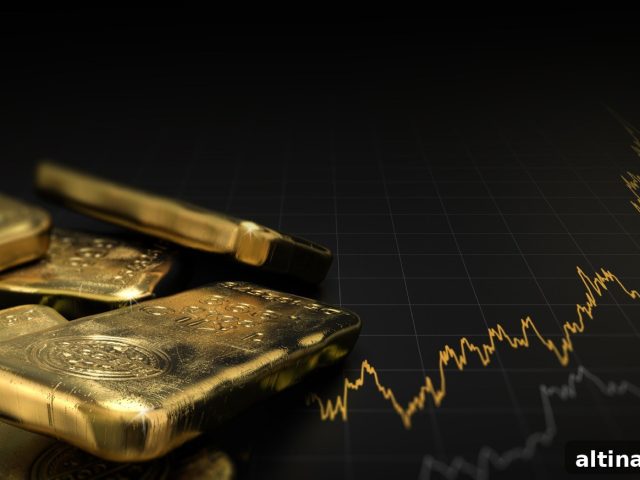
Asia’s Ultra-Rich Turn to Gold as Demand Soars

How Asia’s Wealthiest Families Are Reimagining Gold Trading
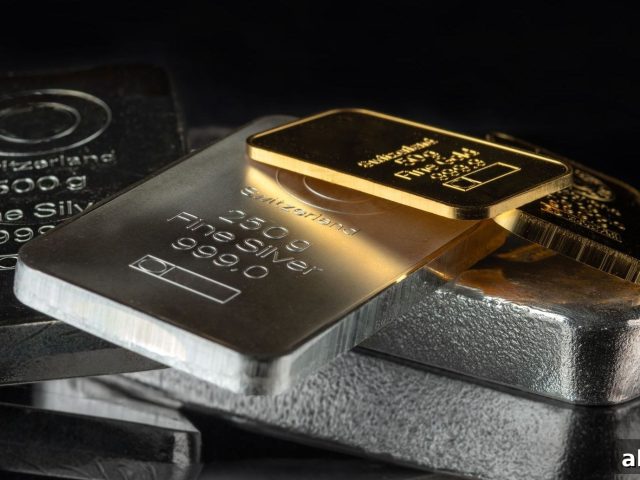
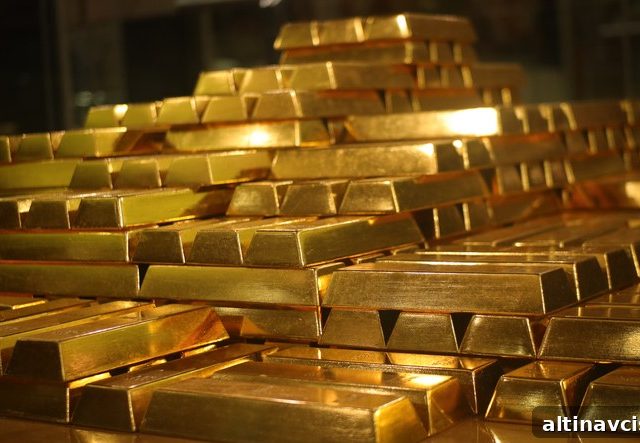
Asia’s richest families are taking an unusually proactive role in the gold market, running operations that resemble 19th‑century trading houses rather than passive portfolio allocations. Rather than simply buying bullion as a hedge, multi‑family offices and private dealers—names such as Cavendish Investment Corp., J. Rotbart & Co., and Goldstrom—are building end‑to‑end supply chains: sourcing raw gold from African mines, refining shipments in hubs such as Hong Kong, and selling finished product into Asian and Chinese markets where buyers pay material premiums.
This hands‑on approach reflects several converging market forces. Rising geopolitical tensions, persistent inflation concerns, and a softer US dollar have all encouraged wealthy individuals and families across Hong Kong and mainland China to raise their exposure to gold. For these investors, physical metal offers perceived safety, liquidity and a tangible asset that can be moved, stored or monetized in multiple ways.
Operationally, the firms involved are expanding beyond simple buying and selling. Some are offering gold leasing arrangements that generate steady returns for owners willing to lease bullion to other market participants. Others pursue cross‑market arbitrage—capitalizing on price differences between regional markets—or accept gold as collateral for structured credit facilities. These activities turn bullion from a static store of value into a working asset that can generate yield, support financing and enable tactical trading strategies.
Running such integrated businesses requires capabilities that go well beyond conventional wealth management. Sourcing metal from mine sites and small refiners involves complex logistics, due diligence and relationship management. Refining, assaying and recertifying metal in a jurisdiction like Hong Kong demands technical know‑how and trustworthy operational partners. On the distribution side, selling to high‑net‑worth buyers in Asia and China requires market intelligence, client relationships and the ability to price and deliver product promptly to capture premiums.
However, these expanded roles also create new challenges. Compliance and regulatory oversight are significant considerations: cross‑border gold flows attract scrutiny from authorities focused on anti‑money‑laundering, trade documentation and provenance. Ensuring traceable, responsible sourcing to avoid reputational and legal risks is a growing priority for dealers and family offices operating in this space. Supply risks are another constraint—political instability, mine disruptions or shifting export controls can interrupt established channels and compress margins.
Market conditions themselves add another layer of uncertainty. Soaring prices can squeeze arbitrage opportunities and raise collateral needs, while rapid price appreciation may prompt some buyers to pause or reduce fresh allocations. Taken together, these practical and market risks suggest that the current surge in hands‑on gold trading could face headwinds over the coming year, even as demand drivers remain intact.
For clients and advisers, the trend signals a broader evolution in how private wealth engages with commodities. Instead of relying exclusively on paper instruments or passive exposure, some wealthy families are treating gold as an operational asset class—one that requires the same active management, governance and infrastructure as any other business investment. That shift brings potential benefits: tailor‑made exposure, additional income streams and greater control over provenance and storage. It also calls for enhanced governance, rigorous compliance frameworks and experienced counterparties to manage counterparty, logistics and market risks.
In short, Asia’s elite are reshaping parts of the gold market by blending traditional trading techniques with modern wealth management goals. They are building vertically integrated chains—from mine sourcing through refining to end‑market sales—that seek to extract value across the physical gold lifecycle. Whether this approach remains a dominant trend will depend on how market participants navigate regulatory scrutiny, supply volatility and shifting price dynamics over the near term.
Popular Topics
Picked from the archive
-
01
 Topics
Silver Prices Jump 35% YTD as Rally Accelerates
-
02
Topics
David Einhorn: Why Gold Prices Keep Rising – Not Inflation
-
03
Topics
Survey Predicts Silver Price Could Reach $41 Despite Volatility
-
04
Topics
US-EU Deal Sets 15% Tariffs; China Truce to Continue
-
05
Topics
Wall Street Reacts to Inflation, Earnings and Trade Policy
-
06
Topics
Gold Drops 1.5% After Fed Holds Rates Steady
-
07
Topics
Fed Rate-Cut Bets Lift Gold as Silver Tops 13-Year High
-
08
Topics
Gold Price Jumps 1% as Investors Seek Safe-Haven Assets