Gold Price Jumps 1% as Investors Seek Safe-Haven Assets
Gold Prices Rise to One-Week High as Investors Seek Safe-Haven Assets
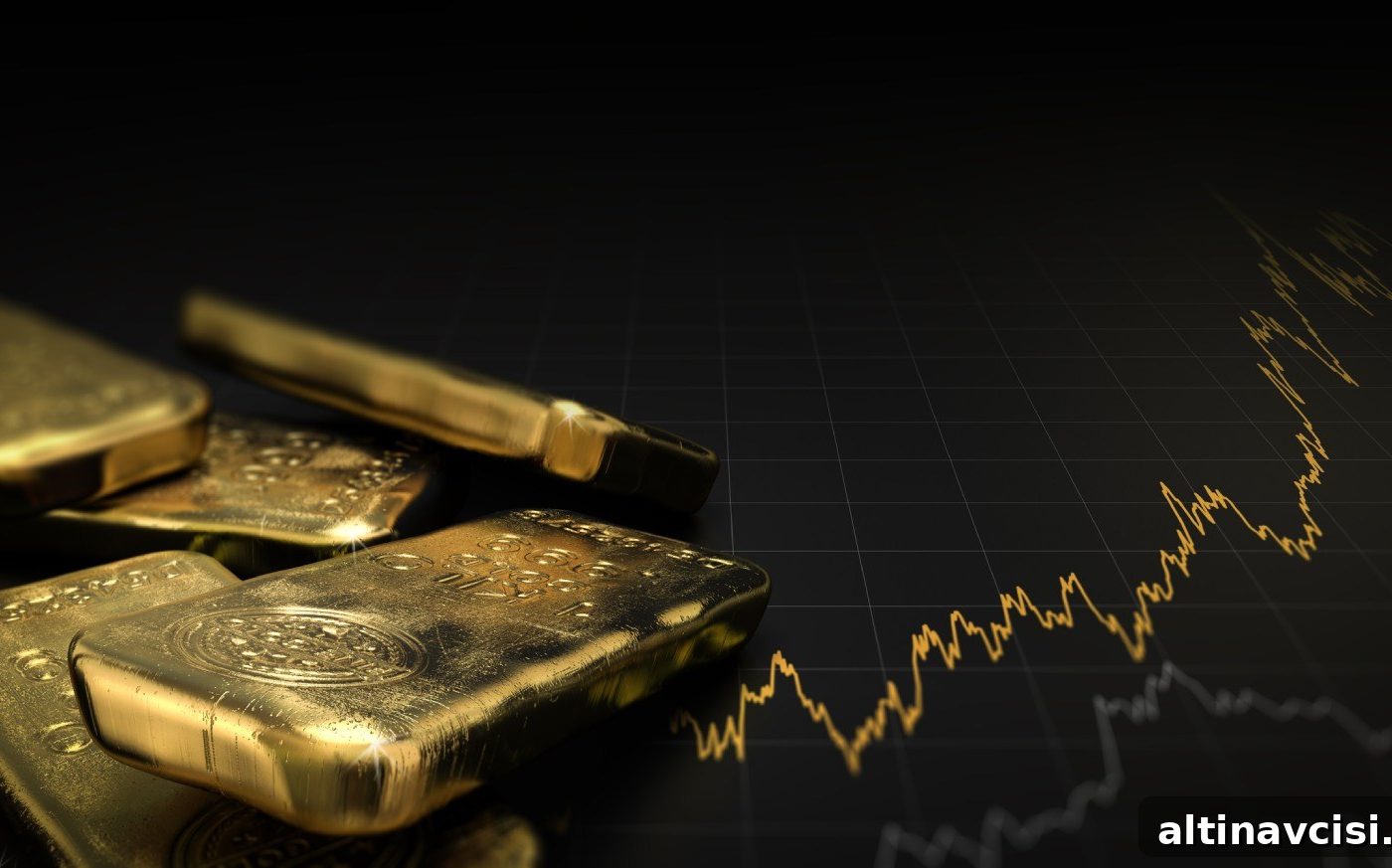
Gold prices climbed to their highest level in a week on Thursday, advancing roughly 1% to $3,382.61 per ounce as a combination of geopolitical tensions, trade uncertainty, and currency moves pushed investors toward the safe-haven metal. The rally gained momentum after renewed unrest in the Middle East and comments from President Trump warning that the region could become “dangerous” and announcing the evacuation of some U.S. personnel. Those developments increased risk aversion in markets, prompting many traders and portfolio managers to increase allocations to gold.
Market participants also cited uncertainty around trade negotiations as a key catalyst for the move. President Trump indicated he might extend the July 8 deadline for trade talks, a signal that left markets uncertain about the near-term outlook for global trade policy. News that the deadline could change amplified concerns about economic growth and corporate earnings prospects, encouraging investors to seek protection in assets perceived as more stable during periods of policy-related volatility.
At the same time, the U.S. dollar fell to a three-year low, which generally supports higher gold prices by making bullion less expensive for holders of other currencies. A weaker dollar often increases demand for dollar-priced commodities such as gold because foreign buyers can purchase more metal for the same amount of local currency. That dynamic, combined with elevated geopolitical risk and trade jitters, created a favorable backdrop for gold and helped push prices to the recent peak.
Not all precious metals moved in lockstep. Platinum also benefitted and traded higher amid the risk-off sentiment, while silver remained relatively steady as investors weighed industrial demand against safe-haven flows. Palladium, however, saw declines, reflecting its more specialized industrial exposure and the distinct supply-demand factors that influence its price. The divergence among metals underscores how bullion and related commodities can react differently to macroeconomic news, central bank policy expectations, and sector-specific fundamentals.
Investors are now closely monitoring a slate of upcoming economic releases that could influence Fed policy expectations and market positioning. Key data points, including the Producer Price Index (PPI) and other inflation and labor-market indicators, will be watched for clues about underlying inflationary pressures. With the Federal Reserve meeting scheduled for later this month, traders are looking for confirmation that price trends are easing or accelerating—information that could affect interest rate expectations and, in turn, the attractiveness of non-yielding assets like gold.
Higher inflation readings or signals that the central bank may stay accommodative tend to support bullion, as gold is commonly viewed as a hedge against inflation and currency debasement. Conversely, stronger-than-expected economic data could firm up rate-hike expectations and strengthen the dollar, putting pressure on gold. Given this sensitivity, short-term moves in the metal often reflect a balance between safe-haven demand and evolving expectations for monetary policy.
Market strategists note that gold’s recent advance is consistent with typical investor behavior during episodes of heightened geopolitical risk and policy uncertainty. Portfolio managers frequently increase exposure to precious metals to reduce volatility and preserve capital when the outlook is unclear. Fund flows into exchange-traded funds backed by physical gold and increased buying from central banks and private investors can also amplify price momentum during such episodes.
While the immediate drivers for the rally are clear—geopolitics, trade uncertainty, and a weaker dollar—the medium-term direction of gold will depend on how these factors evolve, as well as on incoming economic data and the Federal Reserve’s guidance. Traders and investors should continue monitoring developments on the diplomatic front, trade negotiations, currency movements, and the PPI and other inflation metrics ahead of the central bank meeting to gauge the sustainability of the recent gains and the potential for further volatility across precious metals markets.
Popular Topics
Picked from the archive
-
01
 Topics
Is Gold Overcrowded for Investors? Data Says No
-
02
Topics
U.S.-China Trade Talks Resume: Jobs at Stake in China
-
03
Topics
Yantai, China’s Gold Capital: 39 Years as Top Producer
-
04
Topics
Bessent Signals Tougher Trade Stance as Deal Talks Stall
-
05
Topics
Geopolitical Tensions Send Gold Mining Stocks Up Double Digits
-
06
Topics
Treasury Turmoil: Why Experts Are Turning to Gold and Cash
-
07
Topics
Bond King Gundlach: Gold Overtakes Treasury Bonds as Safe Haven
-
08
Topics
Dallas Fed Sees Extended Rate Pause Amid Trump Uncertainty