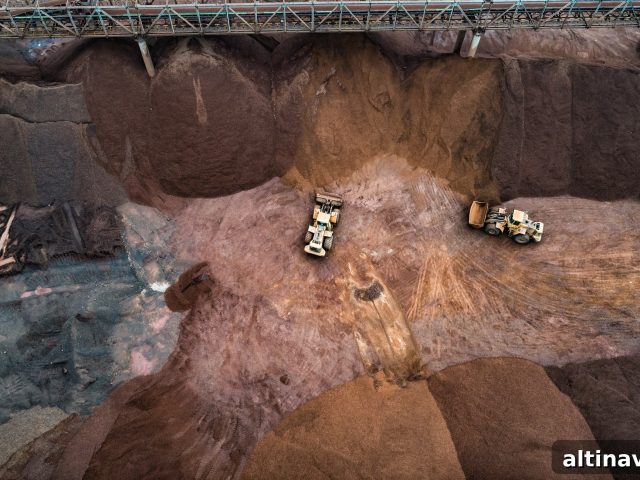
700,000 Zimbabwe Miners Strike Gold Amid Record-Breaking Prices

How the Global Gold Price Rally Is Reshaping Rural Zimbabwe
The global surge in gold prices, which reached record levels this year as investors sought safe-haven assets amid trade uncertainties, is having a marked effect on rural Zimbabwe. What began as a rise in an international commodity price has cascaded down to remote communities, altering local economies and livelihoods in areas rich in gold deposits.
An Unexpected Economic Lifeline
More than 700,000 informal miners across Zimbabwe are tapping into the spike in gold value, turning small-scale, often informal activities into a critical source of income. For many households in gold-bearing districts, proceeds from artisanal and informal mining have become a significant contribution to family budgets. The money generated by selling gold is used to meet basic needs, support small businesses and cover occasional expenses that otherwise might be unaffordable.
From Global Markets to Village Economies
The connection between international markets and village economies is straightforward: as gold becomes more valuable on the world stage, the incentive to recover and sell even small quantities of the metal grows. Investors view gold as a hedge against uncertainty, driving demand and pushing prices higher. That price signal reaches local miners, encouraging more people to participate in small-scale extraction or to expand existing efforts. In this way, global commodity trends can rapidly translate into tangible economic activity at the grassroots level.
Social and Economic Effects in Rural Areas
The grassroots mining boom has multiple effects. Economically, it provides an alternative source of cash income in regions where formal employment opportunities are limited. Socially, higher family incomes can change spending patterns and priorities, potentially affecting education, health care access and local markets. The influx of cash can stimulate small local enterprises that supply mining communities, from food vendors to transport providers, further spreading the benefits of higher gold prices through the local economy.
Broader Context: Zimbabwe’s Long-Term Challenges
This rise in grassroots mining occurs against the backdrop of Zimbabwe’s broader economic struggles that have persisted since 2000. Periods of financial instability have made stable income sources scarce for many households, increasing the appeal of informal economic activities like artisanal gold mining. While the gold rally has offered immediate relief in some areas, it also highlights the vulnerability of a national economy that remains sensitive to external shocks and dependent on commodity cycles.
Opportunities and Questions for Policy
The expansion of informal mining raises policy considerations. Authorities and local communities face choices about how to channel the benefits of gold into sustainable development. Questions include how to ensure miners’ safety, how to formalize aspects of the sector to increase revenue and legal protections, and how to balance short-term income gains with long-term environmental and social well-being. Thoughtful approaches could help convert the current boom into more stable, long-lasting benefits for rural Zimbabwe.
What This Means for Resource-Rich Developing Nations
Zimbabwe’s experience illustrates a broader phenomenon: when global commodity prices shift, the impact can be direct and profound at the local level in resource-rich developing countries. A spike in prices creates immediate incentives for increased extraction and participation in informal markets. That dynamic can offer economic opportunities for communities that lack other reliable income sources, but it also exposes them to the volatility of international markets and to governance and environmental challenges.
Looking Ahead
As gold remains attractive to investors during periods of uncertainty, rural Zimbabwe will likely continue to feel the effects of global price movements. Harnessing the benefits of this trend without creating long-term risks will require coordinated efforts from communities, policymakers and economic actors. The current boom demonstrates both the resilience of local economies and the complex interface between global markets and everyday livelihoods in developing regions.
Popular Topics
Picked from the archive
-
01
 Topics
Is Gold Overcrowded for Investors? Data Says No
-
02
Topics
U.S.-China Trade Talks Resume: Jobs at Stake in China
-
03
Topics
Yantai, China’s Gold Capital: 39 Years as Top Producer
-
04
Topics
Bessent Signals Tougher Trade Stance as Deal Talks Stall
-
05
Topics
Geopolitical Tensions Send Gold Mining Stocks Up Double Digits
-
06
Topics
Treasury Turmoil: Why Experts Are Turning to Gold and Cash
-
07
Topics
Bond King Gundlach: Gold Overtakes Treasury Bonds as Safe Haven
-
08
Topics
Dallas Fed Sees Extended Rate Pause Amid Trump Uncertainty