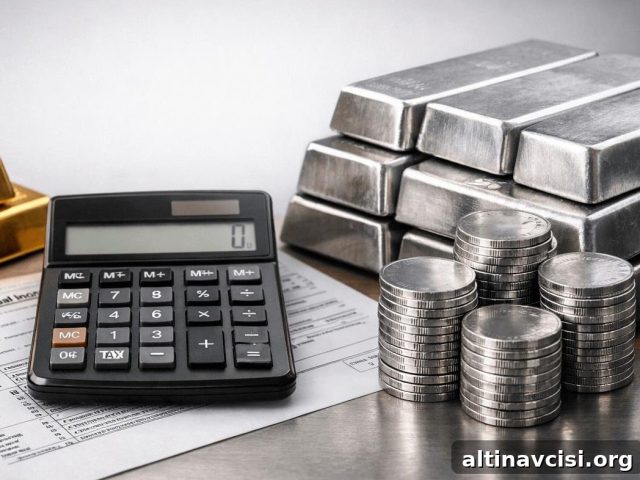
Could Silver Prices Reach $75 After Surging Past $60?
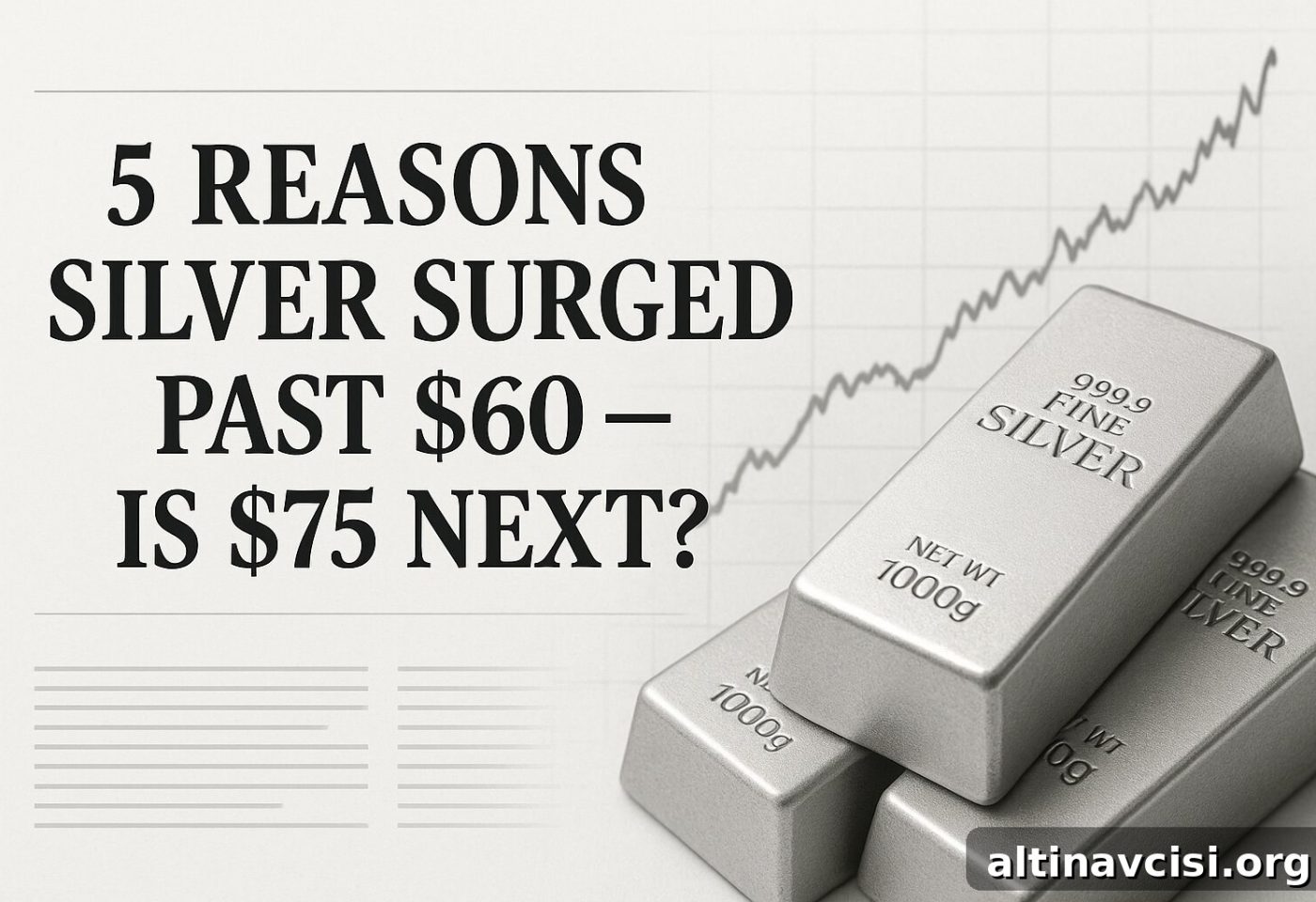
Silver has just crossed a milestone: prices moved past $60 per ounce for the first time in history, breaking a long-standing psychological barrier. This is more than a routine commodity upswing — it reflects a structural shift that has market participants asking whether $75 or even $100 could be within reach.
The move above $60 reflects changes in industrial demand, mining supply, monetary dynamics and market positioning. Below are the five central forces driving this historic advance and what investors should consider in the months ahead.
1. Industrial demand reaches critical mass
Silver’s role has expanded from primarily monetary and jewelry uses to being indispensable in modern industry. The green-energy transition is a leading force: solar panel manufacturing now consumes a very large share of mined silver, with estimates that solar alone takes more than 20% of annual supply. Each gigawatt of installed solar capacity can require roughly 20 metric tons of silver, and global renewable targets continue to push installations higher.
Beyond solar, electric vehicles, advanced electronics and 5G infrastructure all use significant amounts of silver. EVs often employ up to twice the silver content of conventional cars, while many semiconductor and electrical applications rely on silver because substitutes perform poorly in key roles. The cumulative industrial demand is approaching levels the market was not designed to absorb quickly.
2. Supply constraints tighten
On the supply side, the situation is tightening. Only roughly 30% of global silver comes from primary silver mines; the remainder is produced as a byproduct of zinc, lead and copper operations. As ore grades decline and base-metal mines age, that secondary supply becomes less predictable.
Major producing countries such as Mexico and Peru account for a large share of global output and have recently signaled policy shifts, regulatory scrutiny and labor disputes that have interrupted production. Several disruptions during 2024 removed millions of ounces from expected supply. As a result, the market has recorded deficits in recent years, and above-ground inventories sit at multi-decade lows — a structural imbalance that amplifies price moves when demand accelerates.
3. Monetary factors and safe-haven demand
Persistent high global debt and expansive monetary policies have renewed interest in precious metals as stores of value. The gold-to-silver ratio, which rose above 80:1 in recent years, has compressed toward historical levels near 60:1. That compression suggests silver may be undervalued relative to gold, prompting investors to increase physical holdings.
Physical accumulation has been notable: retail and institutional buyers are taking delivery of silver at elevated rates, removing metal from the market and tightening physical availability. Analysts point out that any significant shortfall in physical deliverability would likely push prices much higher in short order, given low inventories and rising demand.
4. Geopolitics, supply security and de‑dollarization
Geopolitical tensions and trade disputes are shifting how nations and corporations manage critical materials. Countries like China and India, already large silver consumers, have been accumulating precious metals in the context of broader efforts to diversify reserves and reduce reliance on dollar‑denominated assets.
Trade disruptions and sanctions have stressed traditional supply chains, prompting manufacturers to move from just‑in‑time inventories to strategic stockpiles to secure access to essential metals. This behavior has pushed premiums higher in eastern physical markets, where demand has frequently outpaced available supply.
5. Technical breakout draws momentum players
Crossing the $60 level is a significant technical event. That long-standing resistance became a magnet for momentum and algorithmic traders once it was breached, amplifying the move. Reports from market monitoring tools show managed-money positions are still lighter than past peaks, indicating additional buying power could join the market as momentum builds.
Options activity and call volumes point to positioning for further gains, and as $60 transitions from resistance to support, many technical models list $75 as the next notable target. That does not mean prices will climb linearly — volatility is high — but technical factors have increased the pool of traders chasing upside.
Investment implications: how to think about $75
The convergence of accelerating industrial demand, constrained supply, monetary considerations and technical momentum makes a compelling argument for higher prices. Still, silver is a volatile asset, and a disciplined approach is essential.
For direct exposure, owning physical silver eliminates counterparty risk. Mining equities provide leverage to metal prices but carry company-specific and operational risk. Dollar-cost averaging can help manage entry timing through price swings, and position sizes should align with individual risk tolerance and investment horizons.
What distinguishes the current move is that many of the drivers appear structural rather than purely speculative. Unlike past surges fueled mainly by short squeezes or fleeting dislocations, this rally reflects enduring supply-demand shifts that could persist for years, though intermittent corrections of 10–20% are plausible even inside a longer-term uptrend.
The path forward
Silver’s breakthrough past $60 is a watershed moment for the market. Industrial demand continues to grow, mining supply is challenged, and monetary conditions favor hard assets. These factors create a favorable environment for continued upside, but investors should prepare for volatility and occasional pullbacks.
Whether $75 arrives next month or next year is less important than recognizing the secular trends reshaping silver’s role in the global economy. For investors still considering exposure, the current environment favors thoughtful allocation: balance physical holdings, selective mining equities and disciplined purchasing strategies to participate while managing downside risk.
Stay On Top of Gold & Silver Prices
Get important market alerts sent straight to your inbox.

The Financial System Isn’t Safer — And You Know It
As risks mount, see why gold and silver are projected to keep shining in 2026 and beyond.
People Also Asked
Why did silver break $60 for the first time?
A combination of surging industrial demand, declining and disrupted mine supply, and renewed safe-haven buying created a supply squeeze. Physical accumulation by investors removed metal from the market, while technical momentum pushed prices through the $60 threshold.
What are the key factors driving silver prices to historic highs?
Key drivers include rapid growth in industrial uses (notably green energy), sustained supply deficits and low inventories, monetary policies that favor tangible assets, geopolitical shifts toward stockpiling, and technical momentum after breaching long-term resistance levels.
Is now a good time to invest in silver?
Fundamentals remain supportive, but silver is volatile. If you consider exposure, use disciplined position sizing, consider dollar-cost averaging, and balance physical metal with selective mining stocks to manage both risk and potential upside.
What is the future outlook for silver prices?
Most forward-looking analyses expect continued strength, with technical models identifying levels such as $75 as the next notable resistance. Long-term fundamentals point to a sustained bull market as green energy adoption accelerates and supply struggles continue, though periodic corrections are likely.
How does silver’s performance compare to gold?
Silver has outpaced gold recently, reflecting its dual role as an industrial commodity and a monetary metal. The gold-to-silver ratio has tightened from recent extremes, indicating silver’s potential for further relative gains, but its smaller market capitalization also makes it more volatile than gold.
- Foreign Treasury Selloff Accelerates as Trade Tensions Rise, Threatening U.S. Borrowing Costs
- Technical Indicators Flash Bullish Signals for Gold’s Next Major Move
- Bitcoin Breaks $120K as U.S. Launches Crypto Week on Capitol Hill
- Breaking the Rules: Why Gold Is Ignoring Traditional Market Signals in 2025
- Silver Breaks $40, Gold Hits Record $3,500
Popular Topics
Picked from the archive
-
01
 Topics
Gold Price Outlook: ING Says Market Needs a New Catalyst
-
02
Topics
How the IRS Taxes Gold vs Silver
-
03
Topics
Senate Tax Bill Adds 3.3 Trillion to Deficit, Raising Alarm
-
04
Topics
Gold Price Jumps Amid Fed Chair Uncertainty
-
05
Topics
US Dollar Falls to Multi-Week Lows as Fed Cut Nears in September
-
06
Topics
Gold Surges to Record High as $5,000 Target Nears
-
07
Topics
Citi Predicts Gold Price to Reach $3,100 to $3,500 in Q3
-
08
Topics
Gold Surges 11% in September Amid Washington, DC Shutdown