Gold Holds Steady as Central Banks Delay Rate Cuts
Daily News Nuggets | Today’s top stories for gold and silver investors
December 9th, 2025
Gold Treads Water Ahead of Fed’s “Hawkish Cut”
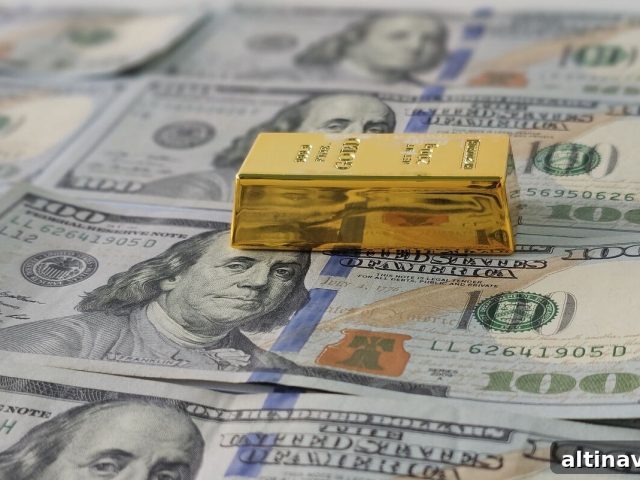
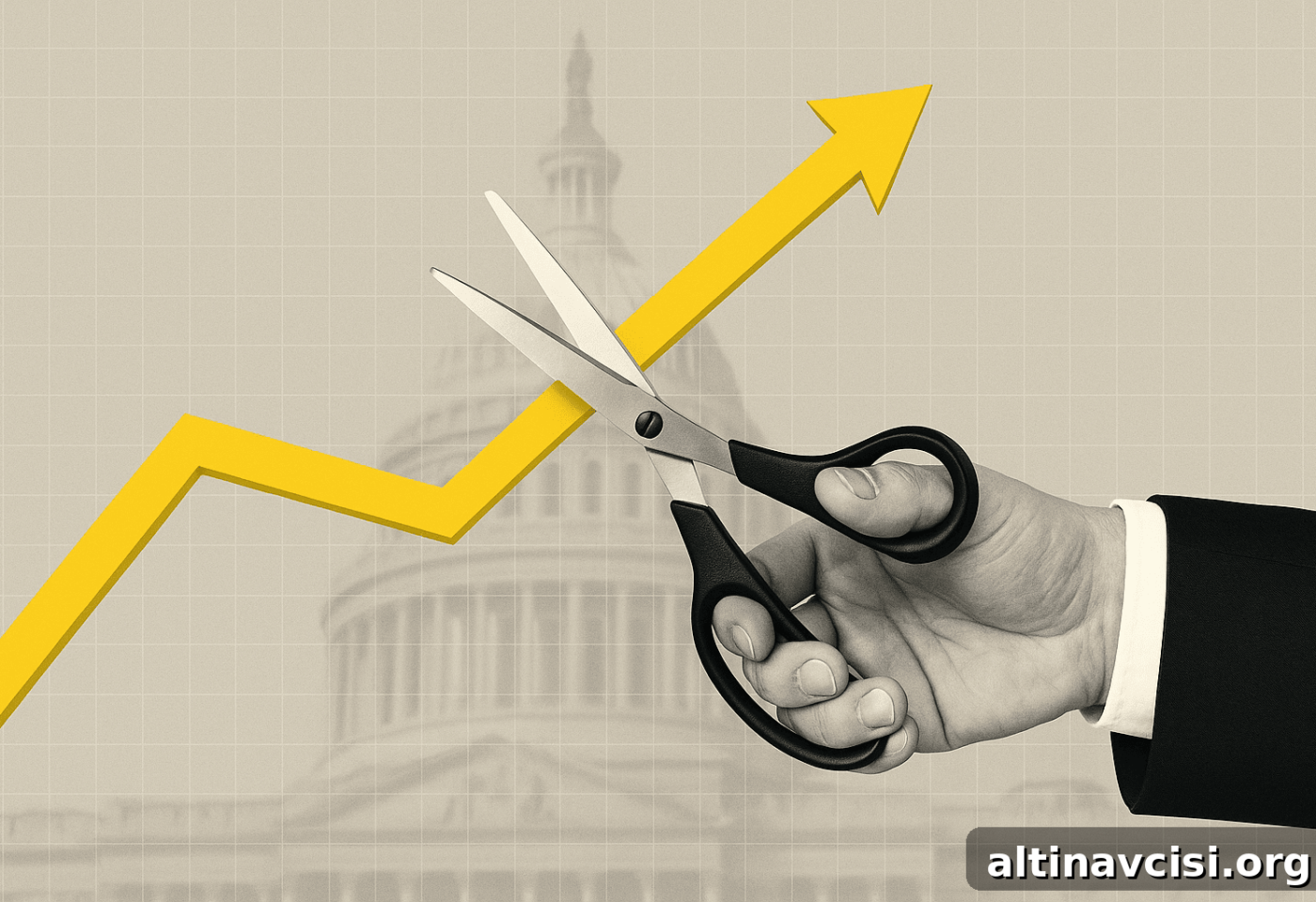
Gold is holding near $4,200 per ounce as market participants await the Federal Reserve’s policy decision this week. Markets are currently pricing in an 89% chance of a 25-basis-point rate cut on Wednesday, but attention is focused on the forward guidance that will accompany any move. Analysts widely describe the likely approach as a “hawkish cut” — a modest reduction in rates paired with language that signals central bankers are keeping a high bar for further easing in 2026.
A rate cut typically lowers the opportunity cost of holding non-yielding assets such as gold, which can be supportive for prices. At the same time, hawkish commentary can strengthen the U.S. dollar and limit upside for the metal. Investors weighing gold’s outlook must therefore balance near-term rate relief against the possibility of a firmer dollar and slower future easing.
Silver remains a standout in the precious metals complex, trading close to last Friday’s record high of $59.32. Tight physical supplies and steady industrial demand are supporting silver as both an investment and an industrial commodity, reinforcing its appeal alongside gold for diversified portfolios.
Central banks around the world, not just the Fed, are reconsidering their easing plans — a theme that bears on gold and silver markets globally.
Stay On Top of Gold & Silver Prices
Get important market alerts sent straight to your inbox.
The Global Easing Cycle Hits the Brakes
Across major economies, central banks are pausing or slowing plans to cut interest rates. Markets now assign almost no chance of significant additional easing from the European Central Bank, and pricing reflects a meaningful chance of rate increases in some regions by late 2026. In Australia, policymakers have signaled they do not expect to add more cuts this week, and traders are pricing the possibility of rate increases next year.
This retrenchment affects precious metals in competing ways. Higher-for-longer interest rate expectations raise the opportunity cost of holding bullion, which can create headwinds for gold and silver. At the same time, inflation that remains above target and ongoing macroeconomic uncertainty keep safe-haven demand intact. For investors, the net effect will depend on the balance between real rates, currency moves, and physical demand.
Even as the Fed prepares to lower its policy rate this week, many market participants have scaled back expectations for the extent of easing in 2026 amid lingering inflation concerns and resilience in economic activity. That recalibration is an important backdrop for portfolio positioning in gold and silver.
Why Americans Still Feel Squeezed — Even as Inflation Cools
Although headline inflation has eased from its 2022 peak, many U.S. households continue to experience elevated costs for daily necessities. The Consumer Price Index peaked at 9.1% in June 2022, and while that headline number has declined, price pressures persist in key categories that shape household budgets.
Food prices, for example, are more than 18% higher than they were in January 2022, leaving a large share of consumers feeling the squeeze at the grocery aisle. Housing costs have also climbed substantially: estimates show a typical homebuyer today needs a far higher annual income to qualify for a mortgage compared with recent years, reflecting higher prices and financing costs. Child care expenses have risen sharply as well, up roughly 30% since 2020 to more than $13,000 per year for many families. Health insurance costs could rise further for some households if federal subsidies lapse, and utility bills have increased materially — by about 12% — to an average around $265 per month.
These affordability pressures help explain part of the strong move in gold prices this year. Investors often turn to gold when they question the purchasing power of the currency or seek a hedge against persistent inflation. That combination of policy uncertainty, uneven inflation, and economic stress supports continued interest in precious metals as portfolio diversifiers and stores of value.
Turkey’s Gold Fever Cools — And the Lira Breathes Easier
After several months of exceptionally strong local demand, Turkey’s physical gold market is rebalancing. The premium that Turkish buyers paid over global spot prices — which peaked above 5% during the recent surge — has narrowed back toward a more typical level of roughly 1.5%. That moderation has eased some of the exchange-rate pressure that came from large import volumes as households sought gold to protect savings.
With global prices stabilizing near $4,200 and local appetite cooling, supply has caught up with demand. The Turkish central bank has estimated households hold a substantial stock of gold at home — nearly $500 billion — underscoring how ingrained the metal is as a store of value in economies that have experienced high inflation. For global precious metals markets, changes in Turkish demand are a meaningful factor because large flows and local premiums can amplify short-term price moves.
The Financial System Isn’t Safer — And You Know It
As risks mount, see why gold and silver are projected to keep shining in 2026 and beyond.
Popular Topics
Picked from the archive
-
01
 Topics
Oil Prices Near $70 as Traders Warn of Looming Supply Glut
-
02
Topics
Gold-Backed Crypto Tokens Surge as Investor Demand Spikes
-
03
Topics
Gold Climbs as Dollar Weakens Ahead of US Producer Price Index
-
04
Topics
Dollar Surges as Trump Threatens Tariffs on Copper and Chips
-
05
Topics
Silver Price Surges 10% in June; July Outlook Positive
-
06
Topics
June Home Sales Drop 2.7% as Affordability Squeeze Worsens
-
07
Topics
Dollar Drops as Markets Price In Fed Cuts; Tariff Fears Rise
-
08
Topics
Powell to Announce Fed Policy Shift at Jackson Hole Summit