Gold Price Jumps Amid Fed Chair Uncertainty
Daily News Nuggets | Today’s top stories for gold and silver investors
November 26th, 2025
Gold Climbs as Traders Boost Rate-Cut Bets
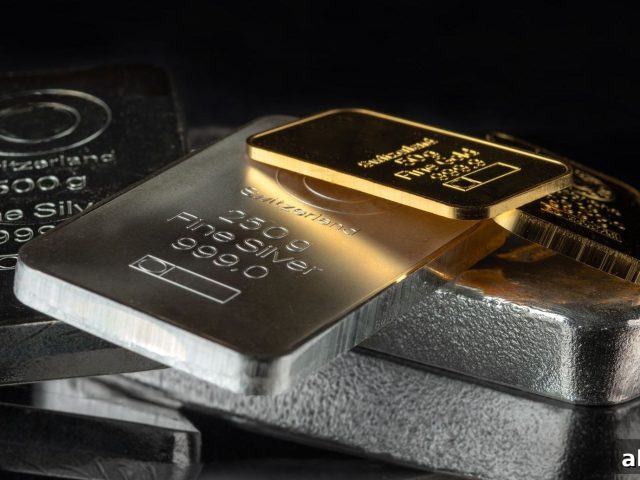
Gold moved toward a two-week high after softer U.S. economic data and growing expectations of a rate-cut cycle next year weakened the dollar. Spot gold strengthened as Treasury yields retreated and traders priced in a faster pivot from the Federal Reserve amid cooling economic momentum. Regional demand from Asia also lent support, with physical buying in markets such as India modestly elevated ahead of year-end festivals.
When yields wobble and the Fed’s path becomes uncertain, gold often acts as a stabilizer. Throughout 2025, every hint of monetary easing has tended to draw investors into safe-haven assets. That pattern reflects a broader market response: when real returns on risk assets look less certain, capital often shifts into stores of value that are less dependent on a single macro outcome.
Treasury Yields Ease After Ultralong Selling Wave Slows
After weeks of pressure, U.S. Treasury yields eased as demand returned to the long end of the curve. Heavier issuance and concerns about global demand had earlier pushed ultra-long yields higher, but pension funds and insurers appear to be stepping back into the market, helping to calm recent volatility. This pullback eases short-term financial stress but does not eliminate the longer-term challenge: the U.S. continues to run sizable deficits and refinancing needs remain substantial.
In that environment, gold can serve as a market pressure valve. When long-term rates remain erratic, investors often seek assets that preserve purchasing power and hedge against policy uncertainty. That dynamic helps explain why precious metals have been catching bids even without a single dominant catalyst.
Stay On Top of Gold & Silver Prices
Receive timely market alerts and price updates for gold and silver straight to your inbox.
Kevin Hassett Floats His Case for Fed Chair
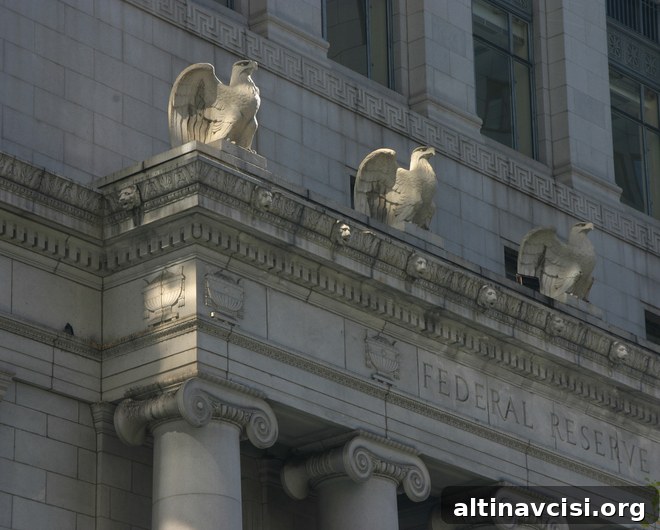
Former White House economic adviser Kevin Hassett publicly pitched himself as a candidate to lead the Federal Reserve, advocating for what he described as a “reliably rules-based” approach to policy. Hassett emphasized stricter policy discipline, a stance that could run counter to market expectations for rate cuts next year. A more hawkish Fed chair could keep real interest rates elevated for longer, which would pressure risk assets and may slow economic growth.
For gold and silver investors, leadership and tone at the Fed matters because prolonged uncertainty about monetary direction often pushes capital into safe-haven assets. Markets dislike prolonged ambiguity about who will set policy and how quickly those policies will change, and that uncertainty can be supportive of precious metals.
Who Replaces Powell? The Five-Person Shortlist Takes Shape
With Jerome Powell’s term ending in early 2026, speculation is intensifying over his potential successor. The leading contenders span a range of backgrounds—from experienced central bankers to candidates with closer political ties—bringing divergent views on inflation, regulation, and interest-rate policy. A dovish chair could hasten rate cuts, while a hawkish appointment might tighten financial conditions during an already fragile period.
Leadership changes at the Fed typically increase market volatility. For precious metals investors, such episodes often translate into stronger demand for gold and silver as hedges against unpredictable policy shifts and market turbulence.
Markets Brace as Policy, Politics, and Rates Collide
As rate-cut bets rise, Fed leadership questions dominate headlines and Treasury yields continue to swing, markets enter December without a clear script. Equity futures have shown choppiness, the dollar has been drifting, and commodities—including bullion—are benefiting from a more uncertain macro backdrop. Gold and silver have been quiet beneficiaries of this unreadable landscape: when investors cannot agree on how 2026 will unfold, they tend to allocate to assets that are less dependent on policy promises.
In practical terms, that means portfolios often tilt toward diversification and protection. Precious metals historically offer a store of value during episodes of policy uncertainty, fiscal imbalance, or market volatility. While they do not eliminate risk, gold and silver can help reduce portfolio sensitivity to sudden shifts in interest rates, currency moves, or political developments.
What to watch next: monthly economic releases and Fed communications that shape the timing and scale of potential rate cuts; Treasury issuance and demand from institutional buyers that influence long-term yields; and developments in Fed leadership that will determine the policy framework for 2026. For investors focused on gold and silver, these variables will continue to drive price action and inform allocation decisions.
Popular Topics
Picked from the archive
-
01
 Topics
Dollar Steadies After Jobs Data Shock Sends 90% Odds of Fed Cut
-
02
Topics
Consumer Confidence Hits 4-Month High as Inflation Eases
-
03
Topics
Gold Price Falls Below $3,340 Ahead of Fed Comments
-
04
Topics
Global Oil Prices Steady as Travel Demand Rises, Sanctions Loom
-
05
Topics
Silver Prices Eye Record Highs as Fed Signals Rate Cuts
-
06
Topics
AI Bubble Fears Surge as Gold Price Falls Below 4,000 USD
-
07
Topics
Tariff-Driven Inflation Clouds Fed’s September Rate Decision
-
08
Topics
10-Year Treasury Yield Rises After Tariff News, Services Data