10-Year Treasury Yield Rises After Tariff News, Services Data
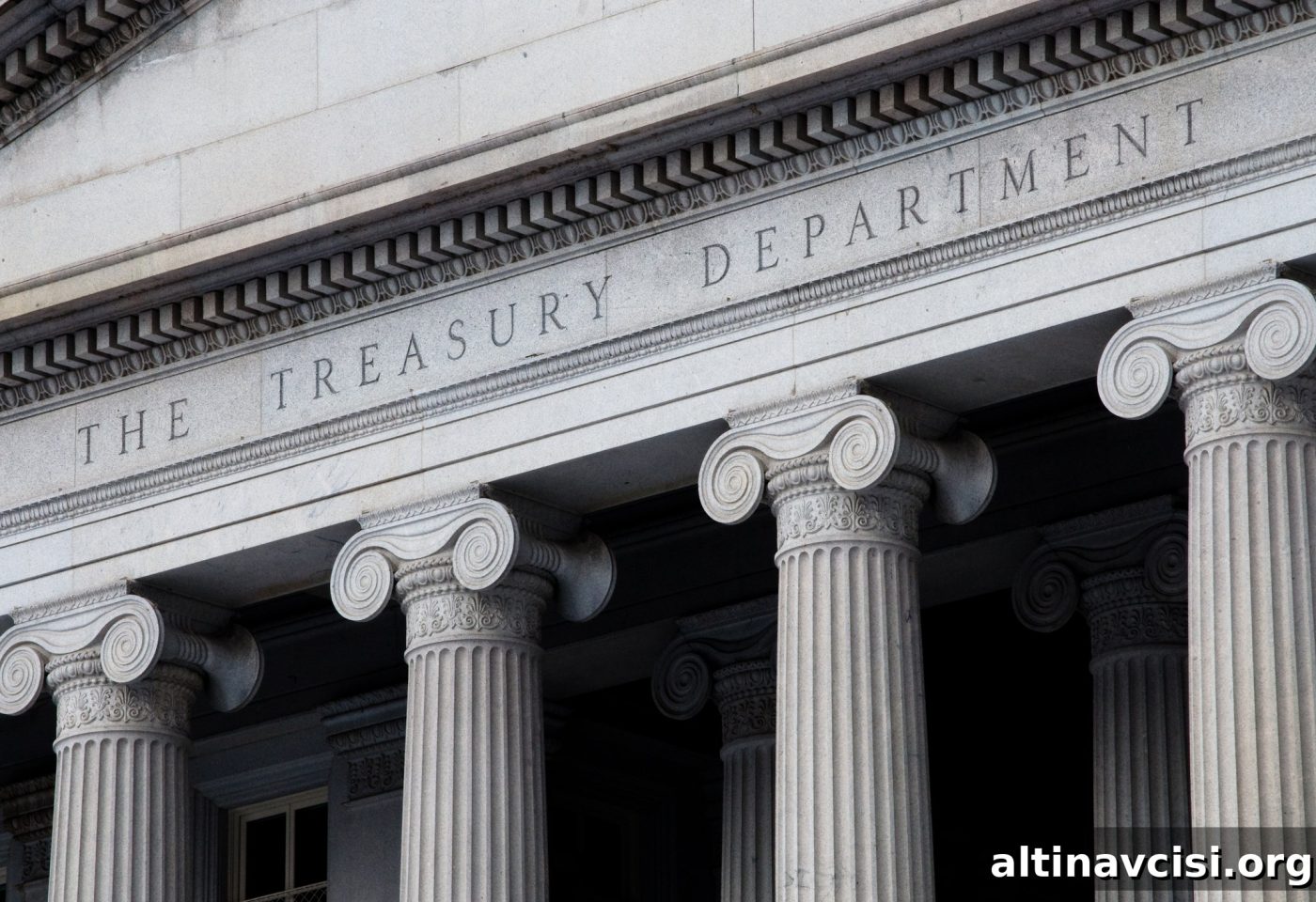
U.S. 10-Year Treasury Yield Edges Higher as Markets Monitor Tariff Announcements and ISM Services Data
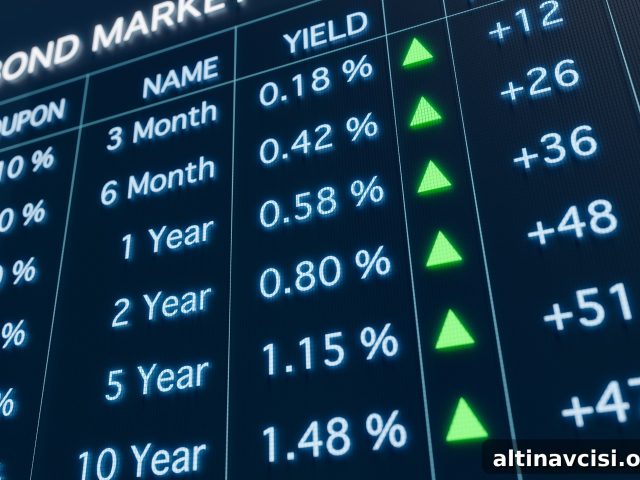
The yield on the 10-year U.S. Treasury rose to 4.218% on Tuesday as investors digested recent policy announcements and awaited key services-sector data. Market participants focused on comments from President Donald Trump about potential tariff changes and prepared for the release of July’s ISM non-manufacturing purchasing managers’ index (PMI), scheduled later in the day.
Movements across the Treasury curve were modest but noteworthy. The benchmark 10-year note increased by 2 basis points, while the 30-year Treasury yield ticked up by slightly less than 2 basis points. Shorter-term yields also advanced: the 2-year Treasury note climbed more than 2 basis points to reach 3.71%. These incremental shifts reflect investor attention to both policy-related downside and the incoming macroeconomic signal from the services sector.
Investors were reacting to President Trump’s announcement that the administration plans to impose new tariffs on semiconductors, along with the possibility of raising duties on certain pharmaceutical imports by as much as 250%. Such tariff adjustments, if implemented, could affect cost structures, corporate margins, supply chains and inflation expectations—factors that influence interest-rate outlooks and bond-market pricing. Market participants are weighing these potential trade policy changes alongside other economic drivers when positioning in Treasuries and other fixed-income instruments.
Adding to the market’s focus, the Institute for Supply Management’s non-manufacturing PMI for July was widely anticipated, with analysts forecasting a reading of 51.5, up from 50.8 in the previous month. The ISM non-manufacturing PMI measures conditions in the services sector, including new orders, employment, supplier deliveries and inventories. A reading above 50 generally indicates expansion in services activity, which can inform expectations for economic growth and inflation—both important inputs for interest-rate expectations and Treasury yields.
Traders and portfolio managers typically monitor the ISM non-manufacturing PMI for signals on the broader economy because the services sector accounts for a substantial share of U.S. GDP. A stronger-than-expected print could be interpreted as evidence of resilient demand and potential upward pressure on inflation, which might push yields higher if investors anticipate tighter monetary policy. Conversely, a weaker-than-expected reading could ease inflation concerns and reduce upward pressure on yields as markets reassess growth prospects.
In the immediate term, the modest uptick in yields suggests investors are balancing a mix of factors: the potential inflationary and supply-chain implications of new tariffs, the incoming services-sector data, and the Federal Reserve’s policy outlook. While tariffs can have sector-specific effects—semiconductors and pharmaceuticals being sensitive to supply-chain and cost changes—the overall market reaction depends on the perceived scale and duration of any duties imposed.
For fixed-income investors, the interplay between trade policy developments and macroeconomic indicators remains central to portfolio decisions. Short-duration yields, such as the 2-year, often move in closer sync with expectations for short-term interest rates and Fed policy, while the 10- and 30-year yields reflect longer-term growth and inflation expectations. As such, even small basis-point changes can signal shifting sentiment across maturities.
Market participants will continue to monitor official announcements for clarity on tariff implementation and await the ISM non-manufacturing PMI release for further insight into services-sector momentum. These developments, together with other upcoming economic releases and central bank commentary, will help guide expectations for the yield curve and broader financial-market conditions in the weeks ahead.
Popular Topics
Picked from the archive
-
01
 Topics
U.S. Jobs Surge Dims Chances of July Fed Rate Cut
-
02
Topics
Trump Imposes 50% Copper Tariff, Global Markets Reeling
-
03
Topics
Tariffs Drive Up Consumer Prices as Inflation Rises
-
04
Topics
Trump’s Big Beautiful Bill Clears House; Senate Vote Looms
-
05
Topics
Treasury Yields Jump After May Inflation Tops Estimates at 2.7%
-
06
Topics
Trump Threatens 100% Tariff on Chips to Revive U.S. Manufacturing
-
07
Topics
When Should You Start a Precious Metals IRA?
-
08
Topics
Cryptocurrency Prices Slide as Investors Exit Risk Assets