Global Oil Prices Steady as Travel Demand Rises, Sanctions Loom
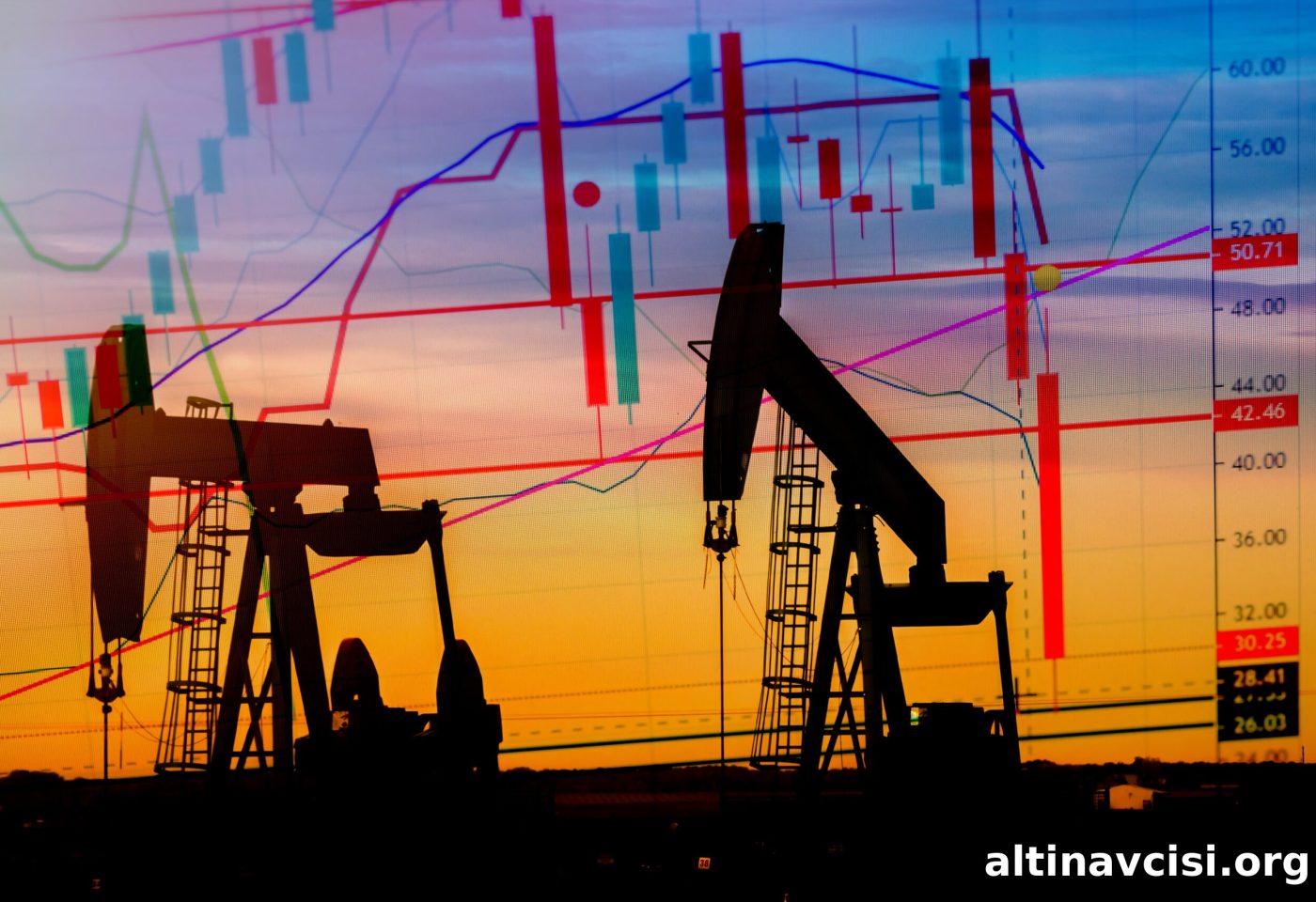
Oil Markets Steady as Traders Digest Mixed IEA Outlook and Rising Geopolitical Risks
Global oil markets held steady on Friday, with both Brent and WTI crude showing little change over the week. Market participants weighed a mixed report from the International Energy Agency (IEA) — which raised its outlook for supply growth while slightly trimming demand forecasts — against persistent geopolitical and trade risks that continue to fuel concerns about future price swings.
IEA Report: Increased Supply Growth, Slightly Lower Demand
The IEA’s most recent assessment signaled a modest shift in its expectations. On the supply side, the agency upgraded its growth outlook, reflecting an anticipation of greater output coming from producers. At the same time, it pared back its demand projection marginally, though it maintained that overall market balances remain relatively tight.
Analysts note that the combination of higher supply projections and marginally reduced demand estimates does not eliminate near-term tightness in the market. The IEA highlighted seasonal factors such as robust summer travel and elevated refinery runs that continue to absorb available crude, supporting price resilience despite the adjusted forecasts.
Summer Travel and Refinery Activity Keep Markets Tight
Strong travel demand during the summer months traditionally boosts fuel consumption and places upward pressure on inventories. Concurrently, high refinery utilization increases crude throughput, which can tighten available crude stocks for other uses. These seasonal dynamics contributed to the IEA’s view that market conditions remain comparatively firm even as supply forecasts were raised.
Traders and refiners will be watching closely for changes in refinery maintenance schedules, regional demand trends, and inventory reports that could either relieve or exacerbate tightness in the coming weeks.
Geopolitical and Trade Concerns Add Volatility Risks
Beyond fundamentals, geopolitical developments and trade policy rhetoric are injecting additional uncertainty into oil markets. Investors remain alert to the prospect of new sanctions on major producers such as Russia, a move that would have direct implications for global supply expectations. At the same time, evolving tariff threats from the United States have the potential to influence broader economic activity and energy demand outlooks.
A closely watched political announcement is expected next week: a major statement from the U.S. President regarding Russia that market participants believe could alter perceptions of future supply availability. Until that announcement is made, traders are likely to factor in a premium for potential supply disruption, which can sustain price volatility even when supply and demand indicators present mixed signals.
Market Reaction and What to Watch
With headline crude benchmarks relatively unchanged week-over-week, the market appears to be balancing competing forces: increased supply expectations against continuing seasonal demand and geopolitical risk. Short-term price movements are likely to be influenced by incoming data on inventories, refinery runs, and travel-related fuel consumption, as well as any concrete policy developments on sanctions or tariffs.
Key items for market participants to monitor in the near term include official inventory releases, subsequent IEA and other agency commentary, any confirmation of sanctions or trade measures, and the expected presidential statement on Russia. These factors will help clarify whether the current equilibrium holds or whether renewed pressure emerges on either side of the market.
Conclusion
In sum, oil markets remained relatively stable as traders processed a nuanced IEA outlook alongside ongoing geopolitical and trade-related uncertainties. While supply growth expectations rose and demand forecasts were trimmed slightly, seasonal travel patterns and high refinery runs underscore the persistence of tight conditions for now. The looming political statement on Russia and continued tariff rhetoric represent additional catalysts that could shift market sentiment and prompt renewed volatility.
Popular Topics
Picked from the archive
-
01
 Topics
US Economy Sees First GDP Decline Since 2022: Q1 Falls 0.3%
-
02
Topics
Tariffs Drive Up Consumer Prices as Inflation Rises
-
03
Topics
Bullion Premiums: How to Spot Fair Prices
-
04
Topics
Silver Approaches $40 Amid Tightening Supply and Trade Tensions
-
05
Topics
Russia Taps $1B Chinese Gold Market Amid Geopolitical Shift
-
06
Topics
Gold Prices Rise on Trade Tensions and Currency Moves
-
07
Topics
Goldman Sachs Sees Gold Price Reaching $4,000 by Mid-2026
-
08
Topics
Goldman Sachs: Central Bank Demand Pushes Gold Past Silver