Gold Falls After Surprise US-Japan Trade Truce
Gold and Silver Prices React to U.S.–Japan Trade Agreement, Fed Outlook
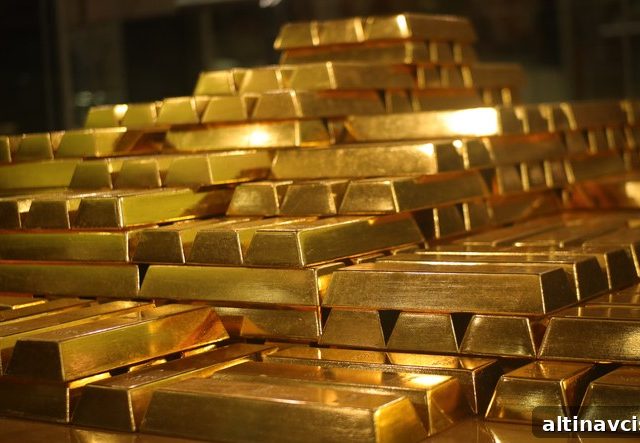
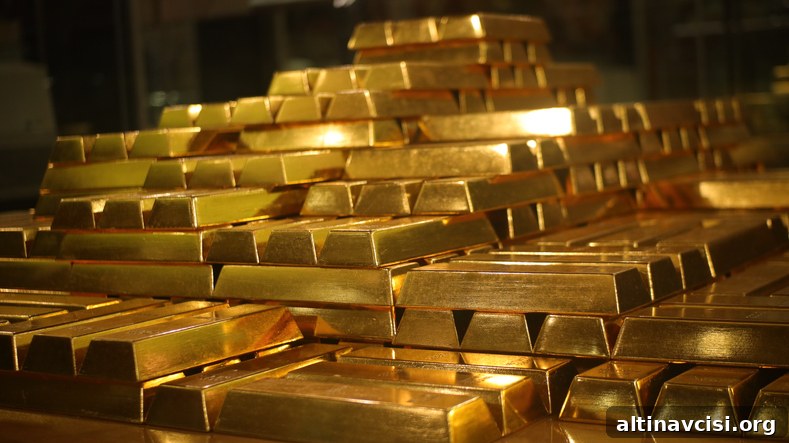
Precious metals markets showed modest movement as investors digested a recent trade agreement between the United States and Japan. Gold eased roughly 0.4% to about $3,420 an ounce after the agreement helped ease fears of a widening U.S.–Japan tariff dispute. That pullback came amid broader market dynamics that continue to support bullion prices.
Gold performance and market drivers
Despite the near-term decline, gold remains considerably higher year-to-date, up approximately 30%. That advance reflects a combination of ongoing global trade tensions, geopolitical uncertainty, and market expectations that the Federal Reserve may keep monetary policy relatively accommodative. Investors often turn to gold as a store of value and a hedge in times of uncertainty, and these factors have kept demand elevated.
Short-term price moves in gold frequently respond to political developments and sentiment around trade policy. The recent U.S.–Japan agreement reduced some of the immediate tariff risk, which in turn eased one source of buying pressure. At the same time, macroeconomic considerations—such as inflation expectations and interest rate outlooks—continue to underpin longer-term interest in the metal.
Silver sees strong gains on industrial demand and market tightness
Silver has experienced even larger percentage gains this year, rising about 36% to $39.41 an ounce. A significant driver of silver’s performance is robust industrial demand. Silver is widely used in electronics and renewable-energy technologies; demand from sectors such as solar panel manufacturing has been an important factor supporting prices.
Another factor contributing to the recent silver rally is market tightness in London that followed heightened concerns about U.S. tariff measures. When physical supply becomes constrained in major trading hubs, price volatility can increase as buyers compete for limited inventory. That squeeze, combined with solid industrial consumption, has helped push silver prices higher.
How policy and geopolitics affect precious metals
Monetary policy expectations and geopolitical events both play important roles in precious metals markets. Prospects for looser monetary policy or prolonged periods of low interest rates tend to be bullish for gold and silver because they reduce the opportunity cost of holding non-yielding assets. Conversely, signs that policy will tighten faster than expected can weigh on prices.
Geopolitical risks and trade disputes also drive safe-haven demand. Agreements that defuse trade tensions can temporarily ease that demand, while new or escalating conflicts can quickly revive it. The recent easing of U.S.–Japan tariff concerns illustrates how diplomatic and trade developments can produce short-term shifts in the market while broader economic trends continue to shape medium- and long-term trajectories.
Investor takeaways
For investors tracking precious metals, the current environment highlights several themes:
- Gold remains a key hedge against geopolitical and economic uncertainty, and its year-to-date gains reflect sustained demand.
- Silver’s dual role as an industrial input and a precious metal exposes it to both cyclical industrial trends and traditional safe-haven flows.
- Trade agreements and tariff developments can trigger immediate price moves by altering perceived risk, but underlying monetary and demand factors often determine longer-term performance.
Market participants will likely continue to monitor developments in trade policy, central bank communications, and industrial demand indicators closely. Those factors together will help determine whether recent price moves represent temporary adjustments or the start of a more sustained trend for gold and silver.
Popular Topics
Picked from the archive
-
01
 Topics
Tariff Uncertainty Could Push US Into Recession by Fall 2025
-
02
Topics
CBO: Trump Tax Law Increases U.S. Deficit by 3.4 Trillion
-
03
Topics
U.S.-Japan Deal Cuts Tariff Threats, Key Details Remain Unclear
-
04
Topics
Dollar Falls After Moody’s Downgrade and New Tax Bill
-
05
Topics
Asia’s Ultra-Rich Turn to Gold as Demand Soars
-
06
Topics
Analysts Say China’s Gold Reserves May Be Twice Official Figures
-
07
Topics
How Central Banks Shaped Gold Demand in Q1 2025
-
08
Topics
Gold Eyes Largest Weekly Gain in a Month Amid US Fiscal Fears