CBO: Trump Tax Law Increases U.S. Deficit by 3.4 Trillion
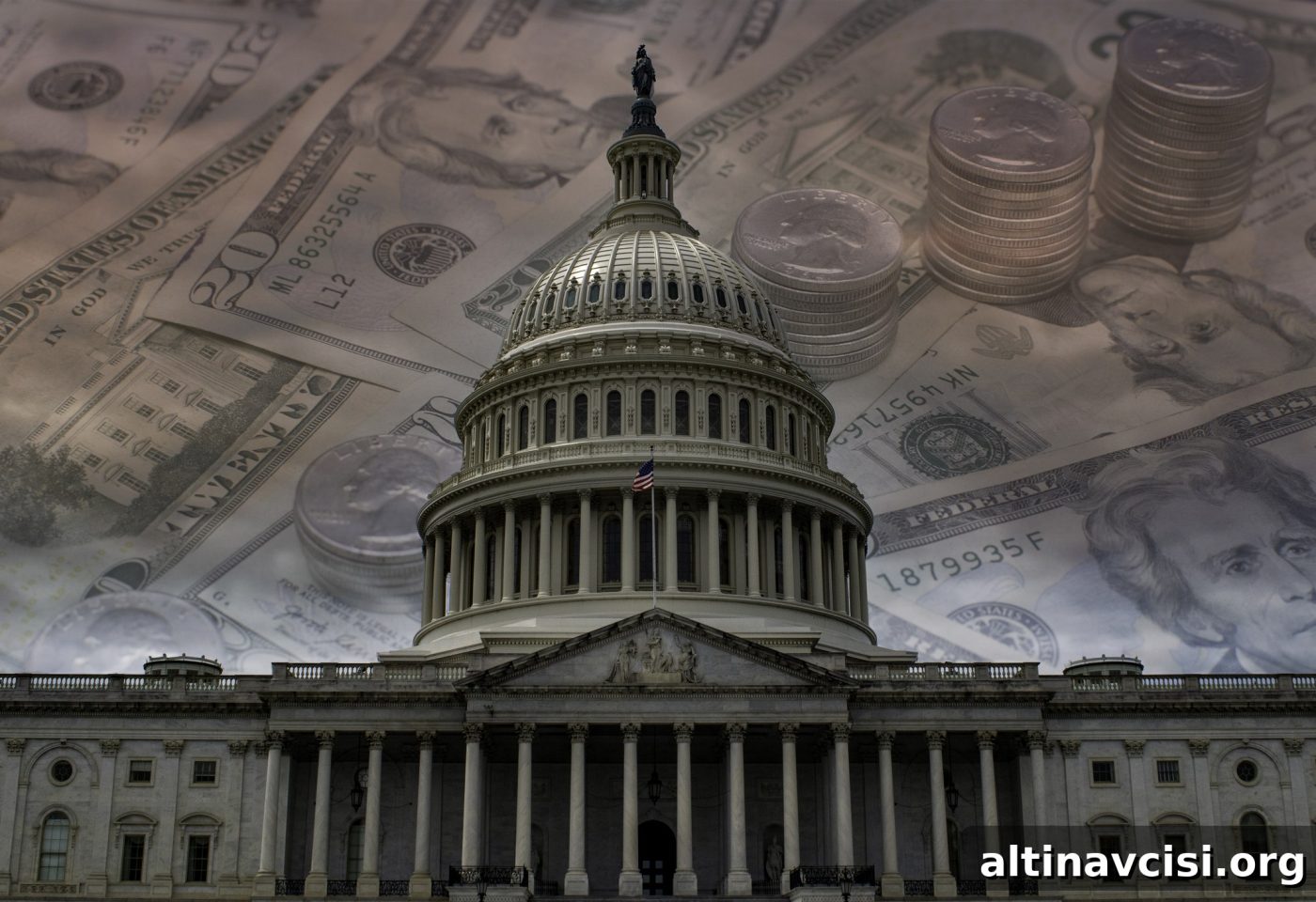
CBO: New Tax and Spending Law to Add $3.4 Trillion to Federal Deficits
The Congressional Budget Office (CBO) has released an assessment of the recently enacted tax and spending law and concluded it will increase federal budget deficits by about $3.4 trillion over the next ten years. The law, signed on July 4, makes a range of tax policy changes and spending adjustments that the CBO says will push the federal deficit substantially higher.
Key provisions of the law
The law includes several notable provisions affecting both taxes and federal programs. Among the most significant are:
- Extension of multiple tax breaks that had been scheduled to expire;
- Additions to allowable deductions, including new deductions related to tipped income and certain auto loan interest;
- Reductions in funding for Medicaid and food assistance programs that provide support for low-income households.
Lawmakers who supported the bill have defended it as a way to avoid higher taxes, maintain or expand certain consumer tax breaks, and support economic activity. Their argument centers on preventing immediate tax increases for households and businesses, and on using tax relief to encourage growth in the private sector.
CBO analysis and projected impacts
Despite proponents’ growth arguments, the CBO emphasizes that any economic expansion resulting from the law will not be large enough to negate the additional borrowing required. The office’s projection estimates that, even after accounting for potential macroeconomic effects, the law will increase the federal deficit by roughly $3.4 trillion over the next decade.
One of the most consequential public-policy effects highlighted by the CBO is the impact on health insurance coverage. The agency projects that the combination of funding cuts and other policy changes will result in more than 10 million additional people being uninsured by 2034 compared with what would have occurred without the law. That increase reflects reduced Medicaid funding and other program changes that diminish coverage for vulnerable populations.
What this means for federal finances and households
An increase of $3.4 trillion in deficits over ten years has multiple implications. Higher deficits typically mean more government borrowing, which can put upward pressure on interest rates over time and limit fiscal flexibility for future policymakers. For households, the immediate effects include continued access to the tax breaks extended by the law and new deductions for tips and certain auto loan interest, but the long‑term effects could include reduced access to public benefits like Medicaid and food assistance programs.
Critics of the law argue that short-term tax relief and deductions cannot justify a long-term increase in the national debt, especially when those choices are paired with cuts to programs that support low‑income Americans. Supporters counter that the law shields taxpayers from immediate higher taxes and stimulates economic activity that could benefit the labor market and consumer spending.
Uncertain outlook and next steps
The CBO’s report provides a central estimate based on current statutory provisions and its economic models. Actual outcomes will depend on future economic performance, administrative decisions, and any additional legislative changes that Congress might adopt. Policymakers, advocacy groups, and analysts are likely to use the CBO findings as a basis for further debate about fiscal priorities, healthcare funding, and the long‑term sustainability of federal budgets.
As discussions continue, the CBO estimate serves as a reminder that major fiscal decisions carry trade-offs: the immediate distributional benefits of tax changes versus the longer-term consequences of higher deficits and reduced program funding that can affect millions of people’s access to healthcare and assistance.
Popular Topics
Picked from the archive
-
01
 Topics
Gold Rises Amid Fed Uncertainty; Palladium and Platinum Surge
-
02
Topics
OPEC+ Supply Hike and Tariff Fears Push Oil Prices Down
-
03
Topics
Global Oil Prices Steady as Travel Demand Rises, Sanctions Loom
-
04
Topics
Gold Price Poised for Record Highs as Dollar Confidence Crumbles
-
05
Topics
Asia Drives 70% of Global Gold Demand, Reshaping Markets
-
06
Topics
U.S.-Japan Trade Deal Lifts Investor Confidence, Gold Pulls Back
-
07
Topics
Waller: Fed Has Path to Rate Cuts Despite Trump Tariffs
-
08
Topics
Markets Shaken by Trump $3.8T Tax Bill and Debt Risks