Markets Shaken by Trump $3.8T Tax Bill and Debt Risks
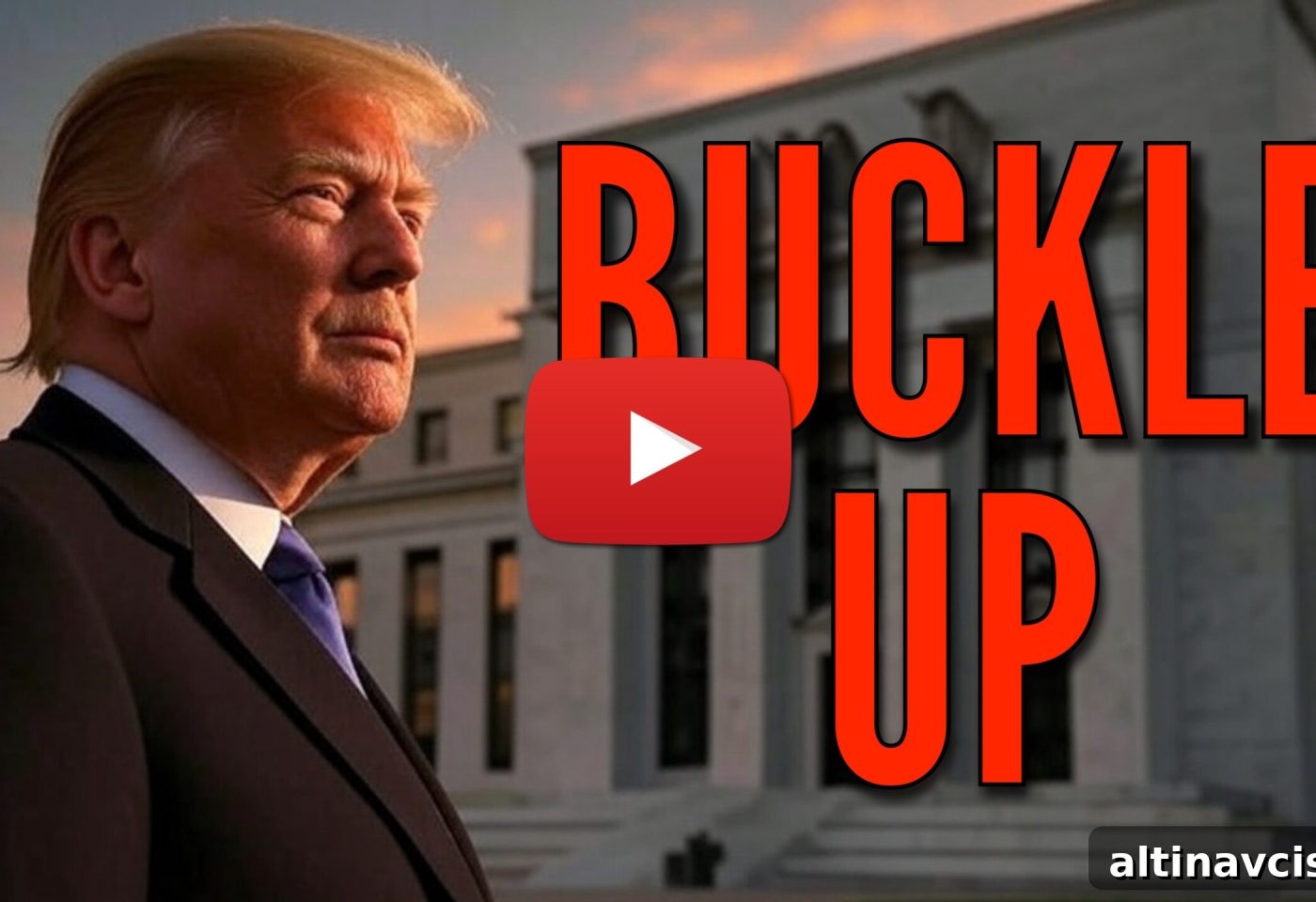
Euro Declines as Yen Strengthens Amid Rising U.S. Debt Concerns and Bitcoin Rally
On Thursday, the euro weakened while the Japanese yen gained ground as markets digested a mix of disappointing European business data and mounting concerns about U.S. fiscal policy. Investors reacted to a combination of softer economic indicators in Europe and renewed worries about the trajectory of U.S. government debt, prompting moves into traditionally safer currencies and assets.
European Data Weighs on the Euro
Recent business activity reports from Europe signaled slower growth than expected, and that softness pressured the euro. Weak readings in manufacturing and services indexes can reduce expectations for stronger regional demand and monetary tightening, leading investors to reassess risk positions. As a result, the euro saw downward pressure versus major peers as traders adjusted portfolios to reflect the less favorable outlook for European growth.
U.S. Debt Concerns Drive Safe-Haven Flows
Heightening concerns about U.S. fiscal policy added to market unease. The House passed a tax-and-spend bill—described in reporting as potentially adding roughly $3.8 trillion to U.S. debt over the next decade—which amplified worries about future budget deficits and the broader debt path. That development contributed to increased selling of U.S. Treasuries and a softer dollar, as investors sought to reduce exposure to perceived fiscal and currency risk tied to U.S. government finances.
The selling pressure on U.S. Treasuries reflected a shift in sentiment: investors re-evaluated sovereign risk premia and sought alternatives that historically perform better during periods of policy uncertainty. The resulting dollar weakness was notable since a softer greenback often accompanies a reallocation into other currencies and safe-haven assets.
Yen and Other Safe Havens Gain
Against this backdrop, the Japanese yen strengthened as investors moved into perceived safe-haven currencies. The yen traditionally benefits in times of global risk aversion, and its appreciation highlighted market caution amid cross-border concerns about economic growth and fiscal stability. Other safe-haven assets and currencies also attracted demand as participants looked to preserve capital while volatility increased.
Cryptocurrency Sees Significant Inflows
Cryptocurrencies, too, showed strong demand. Bitcoin surged to a reported record high above $111,000 as a segment of investors searched for alternatives to traditional financial markets amid growing fiscal instability. For some market participants, digital assets represent a diversification tool or a hedge against policy-driven currency depreciation, and the price action underscored how portfolio flows can shift rapidly in times of uncertainty.
Market Implications and Outlook
The confluence of weak European business signals and amplified U.S. debt concerns created a notable cross-asset response: the euro retreated, the yen strengthened, U.S. Treasuries experienced selling pressure, the dollar softened, and Bitcoin rallied. Market participants will likely continue monitoring fiscal developments, central bank communications, and incoming economic data to reassess risk allocations.
Investors and analysts will be watching how policymakers respond to rising debt projections, whether central banks adjust monetary policy stances in reaction to the changing growth outlook, and how demand for both traditional and alternative safe-haven assets evolves. In the near term, volatility may persist as markets incorporate new information and reposition across currencies, government bonds, and cryptocurrencies.
Overall, Thursday’s moves illustrated how fiscal policy decisions and regional economic data can interact to shift investor sentiment, driving flows into assets deemed more resilient during periods of policy uncertainty and weaker growth prospects.
Popular Topics
Picked from the archive
-
01
 Topics
Gold Price Drops Below USD 3,250 as Trade Talks Boost Markets
-
02
Topics
Japan Urges G20 Action as US Tariffs Shake Global Markets
-
03
Topics
Trump Backtracks on Tariffs and Fed After CEO Warnings
-
04
Topics
Fed Likely to Hold Rates as Tariffs Cloud Inflation Outlook
-
05
Topics
Trump Tariffs and European Growth Push Dollar to 2002 Low
-
06
Topics
Gold Climbs on Fears Over U.S. Budget Deficit
-
07
Topics
US Service Sector Shrinks Amid Trade War Uncertainty
-
08
Topics
Dollar Drops 9% as Central Banks Navigate Currency Turbulence