How Central Banks Shaped Gold Demand in Q1 2025

Global Gold Demand Up 3% in Q1 2025 as Central Banks Continue Buying
Global gold demand rose by 3% year-over-year in Q1 2025, reflecting a renewed appetite for the metal across multiple channels. That growth was driven largely by robust over-the-counter (OTC) activity, which accounted for a significant portion of transactions outside of exchange-traded venues. The overall picture for the first quarter shows divergent behavior among market participants: central banks remained heavy purchasers, institutional flows into ETFs moderated, and retail interest in physical gold—particularly bars and coins—remained strong in key markets such as China and India.
Central Banks Add 290 Tonnes to Reserves
During Q1 2025, central banks added 290 tonnes of gold to their official reserves, underlining the ongoing role of gold as a strategic asset for national reserve managers. This level of official-sector accumulation highlights continued concern about inflationary pressures, currency volatility and geopolitical uncertainty. For many central banks, gold serves as a long-term hedge and a diversification tool that can stabilize reserve portfolios when markets become turbulent.
The decision by reserve managers to increase holdings can be attributed to several factors common in recent years: the search for non-correlated assets, the desire to reduce reliance on any single currency, and the preservation of purchasing power in an environment where inflation risks remain salient. While central bank buying is typically planned and measured, the 290-tonne figure in Q1 points to a meaningful commitment by official institutions to maintain or increase gold allocations.
Mixed Investment Demand: ETFs vs Bars and Coins
Investment flows presented a mixed picture in the quarter. Exchange-traded funds (ETFs) experienced outflows, reflecting a pullback by some institutional and large-scale investors. ETF outflows can occur for many reasons, including portfolio rebalancing, shifts into other asset classes, or short-term liquidity needs. Despite those outflows, demand for physical gold remained healthy, with strong purchases of bars and coins recorded in retail-heavy markets.
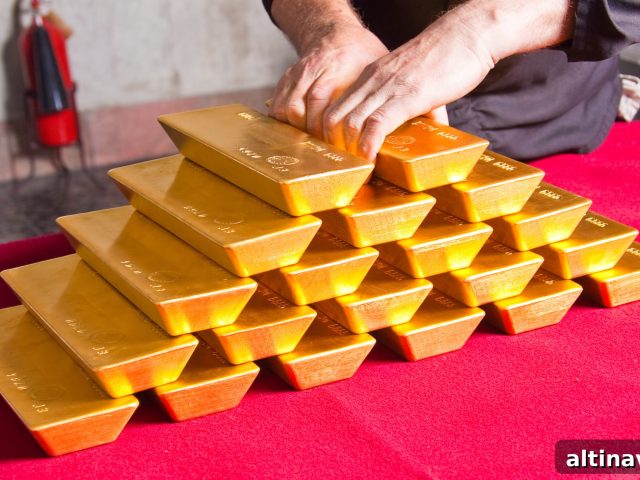
In China and India—two of the world’s largest physical gold markets—consumer appetite for jewelry and investment-grade bars and coins was particularly notable. Cultural preferences, festival seasons, and risk-averse retail sentiment often drive higher physical gold purchases in these regions. Retail buyers typically prefer tangible ownership, which can lead to sustained demand for minted coins and traditional bars even when paper-based gold products see net redemptions.
OTC Activity and Market Dynamics
The rise in OTC activity was a key factor behind the overall increase in demand. Over-the-counter transactions provide flexibility and privacy that some buyers and sellers prefer, and they can capture flows that are not visible in exchange-based metrics alone. OTC markets also facilitate large, bespoke trades between dealers, bullion banks, and other institutional participants, which can amplify movements in total demand figures.
Because OTC trading occurs off-exchange, interpreting its influence requires attention to market structure and liquidity conditions. The uptick in OTC volumes during Q1 suggests that participants sought customized settlement arrangements and direct counterparty exposure—choices that often accompany periods of heightened uncertainty or when institutional investors adjust allocated positions outside standard ETF channels.
Institutional vs Retail Behavior: A Widening Gap
The World Gold Council has observed a widening gap between institutional and retail investor behavior. Institutional investors, who often use ETFs and other paper-based instruments for exposure, showed restraint in the quarter, while retail demand for physical products remained robust. This divergence reflects differing objectives and constraints: institutions manage large, diversified portfolios with liquidity mandates, whereas retail buyers may prioritize physical ownership and long-term preservation of wealth.
Understanding this split is important for market participants and policymakers alike. Retail demand can provide a stable foundation for physical markets, whereas institutional flows tend to drive volatility in traded markets. The coexistence of these dynamics—steady retail purchases alongside shifting institutional allocations—helped shape the overall 3% increase in global gold demand in Q1 2025.
Outlook and Considerations
Looking forward, gold demand will likely remain sensitive to macroeconomic signals, central bank policy decisions, and regional consumer patterns. Continued inflation concerns, currency fluctuations, and geopolitical uncertainty could sustain central bank and retail interest in gold. At the same time, changes in institutional sentiment and ETF flows will remain important determinants of short-term price and liquidity dynamics.
For investors and observers, the Q1 2025 data underscore gold’s dual role: as a strategic reserve asset for central banks and as a tangible store of value for retail buyers. The mixed investment flows and the strength of OTC and physical markets highlight the complexity of modern gold demand and the multiple channels through which investors seek exposure to this enduring asset.
Popular Topics
Picked from the archive
-
01
 Topics
Japan Urges G20 Action as US Tariffs Shake Global Markets
-
02
Topics
China Gold Demand Surges as Jewelry Sales Drop
-
03
Topics
Eroding Dollar Dominance: US Trade Policies’ Global Impact
-
04
Topics
Global Bond Markets Rally as Debt Issuance Patterns Shift
-
05
Topics
Reuters Poll: Gold Set to Extend Rally Through 2026
-
06
Topics
Gold Prices Fall 4% in Largest Weekly Drop Since November
-
07
Topics
Gold Prices Rebound Ahead of U.S. Jobs Report
-
08
Topics
Why Gold Still Outshines Bitcoin as a Store of Value